

Over 8 GW of new renewable energy capacity is planned for commissioning in Kazakhstan by 2035. At the same time, the country is modernizing existing power plants, developing energy storage systems, and reconsidering its approaches to hydrogen energy, reports DKNews.kz .
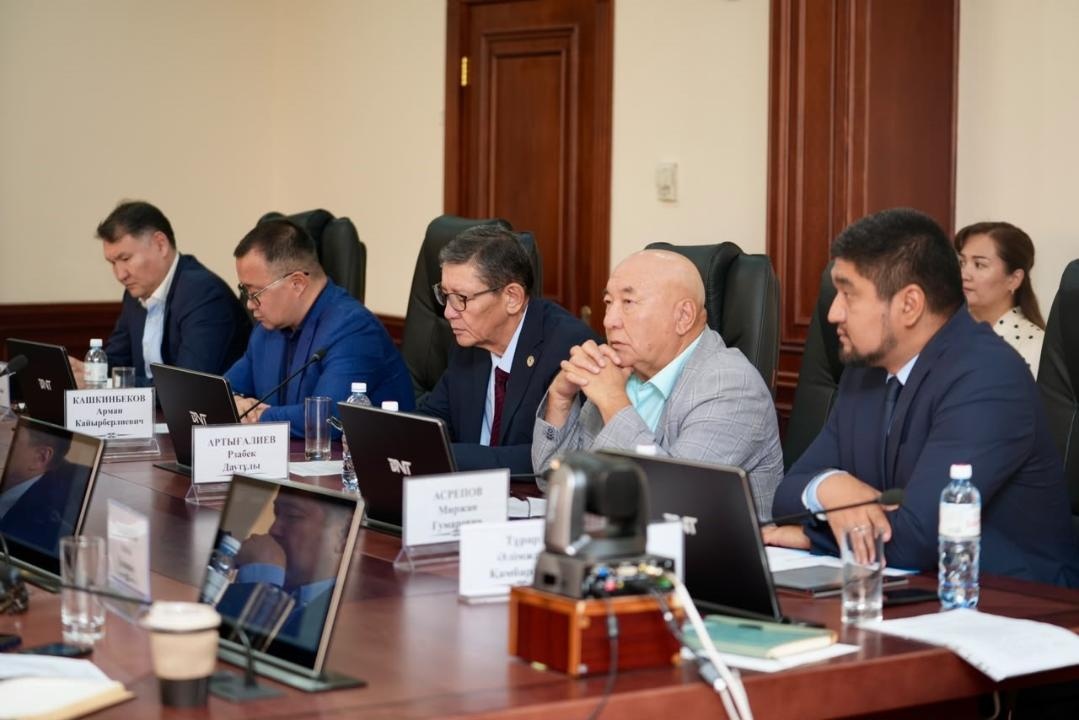
These issues were discussed at a meeting of the Public Council on Fuel and Energy Complex Issues of the Ministry of Energy, chaired by Zhakyp Khairushev.

3.8 GW of capacity will be allocated for energy modernization
One of the central topics was investment agreements, through which the state stimulates the renewal of existing energy infrastructure.

The mechanism covers the modernization, expansion, reconstruction and renovation of energy facilities.
Nine investment agreements with a total capacity of 963 MW have already been implemented.
There are currently 24 more agreements in progress, with a combined capacity of 3.8 GW.
This is almost four times the capacity of projects that have already passed through this investment mechanism.

Kazakhstan is increasing solar and wind generation.
At the same time, the state is preparing a new stage in the development of renewable energy.

By 2035, it is planned to introduce more than 8 GW of additional renewable energy capacity.
The focus is on several areas at once:
- solar energy
- wind energy
- hydropower
- hydrogen energy
- distributed generation
- energy storage systems
The last point becomes especially important as the share of solar and wind power plants increases.
Why does Kazakhstan need energy storage systems?
Solar and wind power generation are dependent on weather conditions and do not produce electricity at the same output 24 hours a day.
The more such facilities appear in the power grid, the greater the demands on its flexibility. Energy storage systems allow excess electricity to be stored and used when production declines or consumption increases.
Therefore, the development of renewable energy sources requires parallel investments not only in the power plants themselves, but also in networks, flexible generation, and energy storage systems.
The hydrogen strategy will be updated until 2040.
Hydrogen energy has become another direction.
Work is currently underway to update the Concept for the Development of Hydrogen Energy until 2040.
For Kazakhstan, this direction is primarily associated with the long-term transformation of the energy sector and the opportunity to develop new export products against the backdrop of the global transition to a low-carbon economy.
However, hydrogen projects require significant investment, available electricity and infrastructure, so their economic viability will depend on specific technologies and future demand.
What’s changing in Kazakhstan’s energy sector?
While developing new energy sources, the country needs to upgrade its existing capacity. Therefore, its investment policy is focused on two areas: modernizing existing facilities and building new generation.
The annual Powerexpo Almaty forum remains a separate platform for discussing and monitoring industry reforms.
Following the meeting, members of the Public Council presented their proposals for the further development of the industry.
The key question for the coming years is how consistently Kazakhstan can introduce new capacity, modernize old plants, and develop grids and storage facilities. Without this, increased generation alone will not solve the problem of energy system stability.
Google machine translated