

The RES 2026 Regional Environmental Summit, held in Astana, marked another important milestone in strengthening dialogue on environmental initiatives, according to Akramjon Nematov, First Deputy Director of the Institute for Strategic and Interregional Studies under the President of Uzbekistan, Kazinform reports.
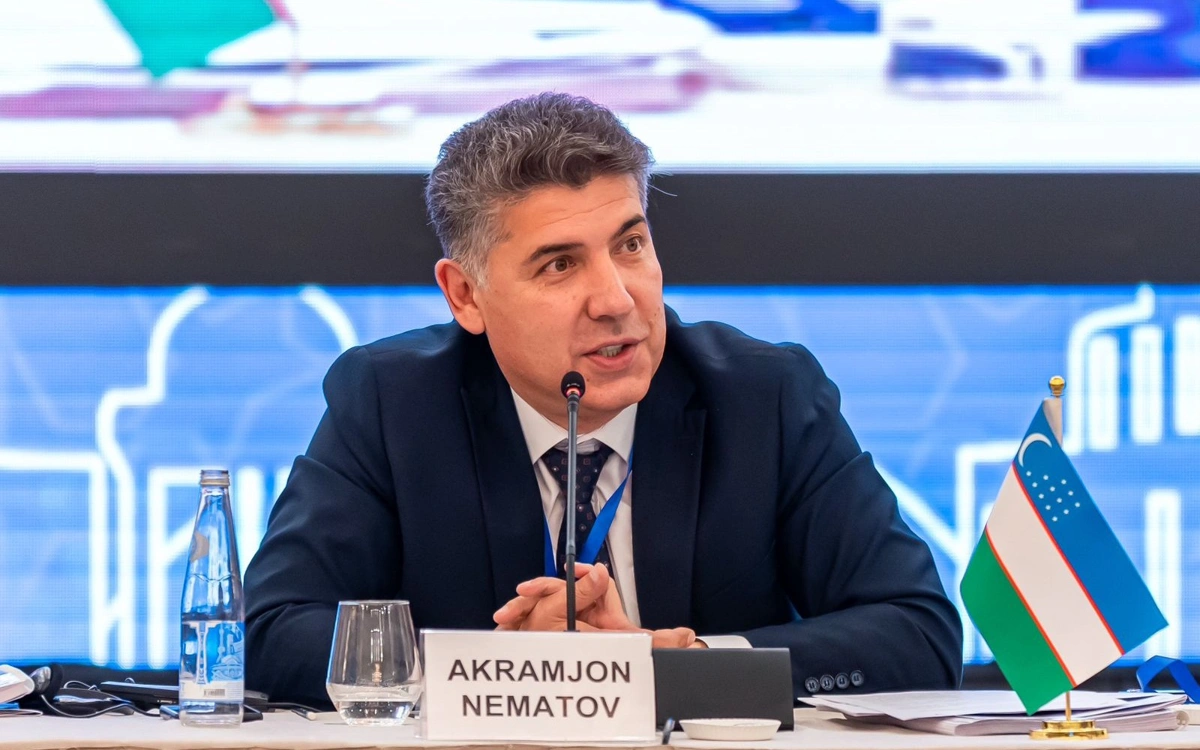
The speaker noted that Central Asian countries not only recognize the scale of climate challenges but also demonstrate a willingness to take responsibility for addressing them.
“This is about consolidating efforts within the region and mobilizing the international community, which confirms the transboundary and global nature of climate issues, which require a multilateral approach,” the expert said, highlighting the adoption of a number of UN General Assembly resolutions in recent years.
Nematov noted that a particularly important result of RES 2026 was the shift in focus from declarations to practical cooperation. He believes that the adopted documents, including the “Environmental Solidarity of Central Asia” and the 2030 Action Plans in partnership with the UN, strengthen the institutional framework for cooperation and confirm openness to international engagement.
“The already established basic regulatory and strategic architecture for cooperation, including the Regional Program ‘Green Agenda for Central Asia,’ the Regional Strategy for Adaptation to Climate Change, and the Regional Program for Environmental Protection for Sustainable Development, is also significant. This creates the foundation for a systemic and coordinated approach to addressing environmental challenges,” Nematov said.
Among the key areas for future work, he highlighted attracting investment, developing science and technology, expanding public-private partnerships, and strengthening joint monitoring and environmental education.
According to him, it is important to note that during the current RES 2026 forum, the countries of the region not only outlined the scale of climate challenges but also identified key areas for overcoming them.
“These include the coordinated mobilization of financial and technical assistance, the development of a scientific base, technological modernization, and the development of coordinated approaches to the green transition. Of particular relevance are issues of attracting private investment, developing public-private partnerships, creating a unified scientific and methodological platform, expanding joint monitoring and research, engaging young people, and advancing environmental education,” the expert stated.
Initiatives to create regional scientific instruments—the Center for Combating Desertification, the Unified Atlas of Environmental Changes, and the Red Book—were highlighted. These will allow for the creation of a unified data system and a scientific basis for decision-making at the regional level.
The importance of Uzbekistan’s youth and international initiatives, including the World Youth Climate Forum, the Global Environment Facility events in Samarkand, and the World Water Forum, was also emphasized. These are seen as a contribution to strengthening global environmental coordination.
Overall, the expert concluded, the climate agenda in Central Asia is becoming a strategic focus, facilitating not only responses to challenges but also the development of cooperation, sustainability, and long-term growth in the Eurasian region.
We previously reported that the Regional Environmental Summit in Astana highlighted a gap between green energy development and personnel training.
Google machine translated