

Kazakhstan
Secretariat services to the Framework Convention for the Protection of the Marine Environment of the Caspian Sea
Launch of the Caspian Environmental Information Centre (CEIC)
Launch of the Caspian Environmental Information Centre (CEIC)
Review the REAP in accordance with ICSD Decisions and elaboration of mechanisms for its implementation with the aim to enhance the effectiveness of regional cooperation taking into account recommendations of the UN Conference on Sustainable Development (Rio+20)
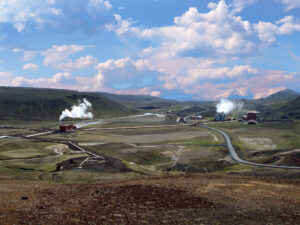
It was an umbrella initiative that was managed by the Ecosystem Services and Economics (ESE) Unit of the UNEP Division of Environmental Policy Implementation (DEPI) with inputs from various other Divisions and offices of UNEP. The overall objective of the Green Growth Project was to contribute to a better integration of environmental concerns into national development processes, policy planning and decision-making.The project was targeted mostly at the global (and regional level), using conferences, meetings and policy dialogues with various country policy-makers as a tool to communicate integrating ecosystem services into economic policies. However, at national level, pilot studies were conducted in South Sudan, Kenya, and, through its UNDA 8th Tranche Component, Kazakhstan and Morocco. The Green Growth Terminal Evaluation has two main objectives: 1) to provide evidence of results to meet accountability requirements, and 2) to promote operational improvement, learning and knowledge sharing through results and lessons learned among UNEP and its main project partners.

Countries have highlighted the need for support to create national targets and indicators linked to Aichi targets 1, 2 and 4 under strategic goal A of the global Strategic Plan for Biodiversity 2011-2020 and Action 7 of the Pan-European 2020 Strategy for Biodiversity. Therefore, there is a request from countries to build capacity for a better understanding of ecosystem services and their values and how to integrate these values into policy making through their NBSAPs.
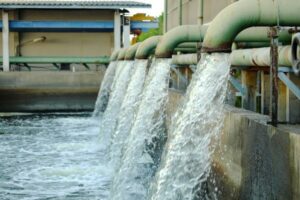
This project aims to assist the country in implementing its relevant obligations under the Stockholm convention and to reduce the releases of u-POPs, other globally harmful pollutants and mercury from failed medical devices into the environment by piloting sound healthcare waste management.

To support the government of Kazakhstan in the development and implementation of National Appropriate Mitigation Actions (NAMAs) in urban sector to achieve voluntary national GHG emission reduction target
The objectives of the project are: State and trends of climate change; Vulnerability of mountain ecosystems to climate change; Climate change adaptation policies and strategies; Policy gap analysis
Priority areas for future action.
Overall objective: To stimulate transboundary trust and high-level, trans-national political involvement in the CA water nexus through the following specific objectives: 1. Building national and regional networks around the water nexus through helping the countries to prepare for major water management events; 2. Promoting the tools contributing to better regional water management, such as remote sensing and modelling; 3. Supporting exchange of experience within Central Asia on topics related to water, land use and energy efficiency; 4. Providing capacity-building for target groups with focus on middle, operational level specialists.