
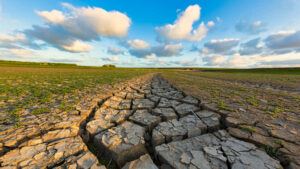
Preparation of intended nationally determined contribution (iNDC) to the 2015 agreement under the United Framework Convention on Climate Change
To prepare and submit intended nationally determined contributions (INDCs) to the 2015 United Nations Framework Convention on Climate Change (UNFCCC) Agreement and have institutional arrangements in place that support the INDC process

Environment Protection for Sustainable Development
The goal of the Project is to support and strengthen capacity of state institutions and civil society of the Kyrgyz Republic for integration of environment sustainability and climate change resilience into pro-poor (socio-economic) development policies and programmes through: 1. Promotion of approaches to Low Carbon (Emission) Development; 2. Support to country transition to climate resilient economies and ecosystems via development of climate change adaptation strategies. 3. Integration of principles of sustainability into selected sectoral natural resources management and local development plans
Regional assessment on climate change and adaptation in mountain regions
The objectives of the project are: State and trends of climate change; Vulnerability of mountain ecosystems to climate change; Climate change adaptation policies and strategies; Policy gap analysis
Priority areas for future action.
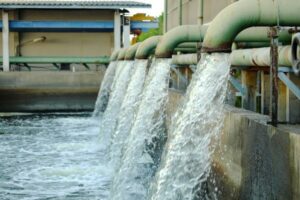
National Water Resources Management Project – Phase 1
The project development objective of the NWRMP-1 is to improve water resources management capability and irrigation service delivery for the benefit of water users.
Integrated Forest Ecosystem Management
The Project Development Objective is to strengthen the capacity of government institutions and communities to improve sustainable forest ecosystem management through investments in management planning, ecosystem restoration, and infrastructure.
Promotion dialogue for conflict prevention related to water nexus in Central Asia. Central Asia Water Nexus Cooperation (CAWECOOP)
Overall objective: To stimulate transboundary trust and high-level, trans-national political involvement in the CA water nexus through the following specific objectives: 1. Building national and regional networks around the water nexus through helping the countries to prepare for major water management events; 2. Promoting the tools contributing to better regional water management, such as remote sensing and modelling; 3. Supporting exchange of experience within Central Asia on topics related to water, land use and energy efficiency; 4. Providing capacity-building for target groups with focus on middle, operational level specialists.
Smart Waters Project
The main goal of the Smart Waters project is to address the knowledge dis-lock in the region in water sector, build working relations among water managers and specialists, and demonstrate the potential of the basin management approach and cooperation with the academia