

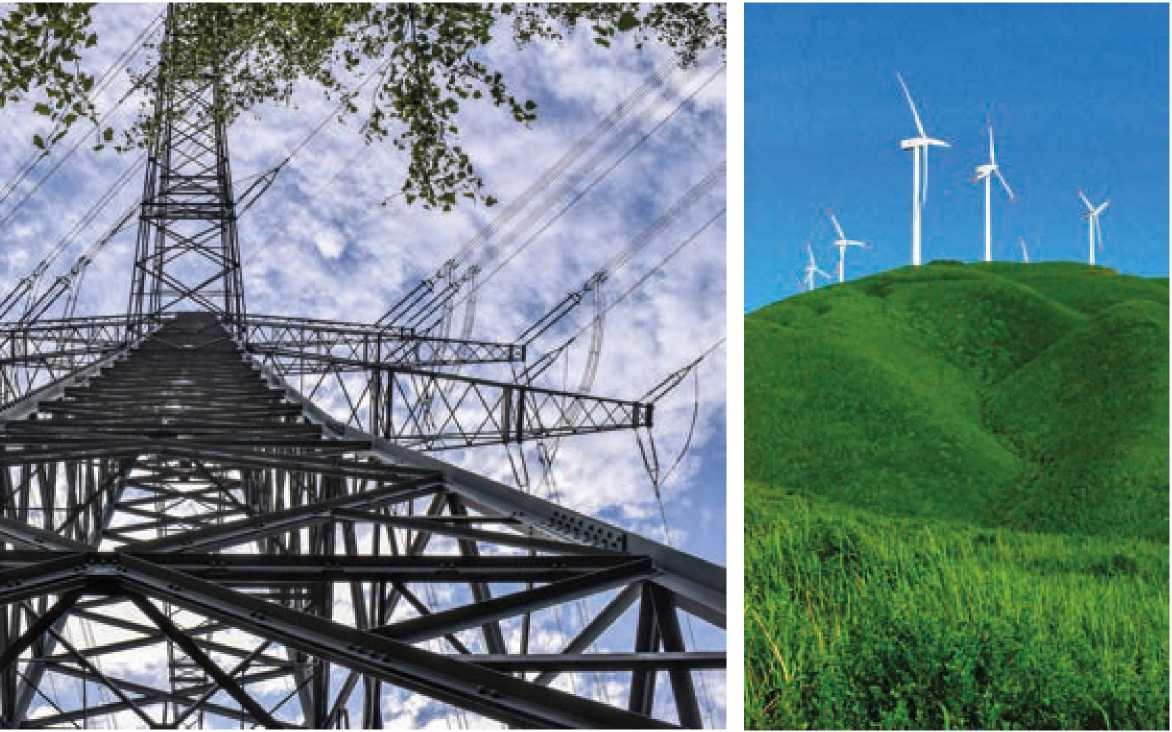
QAZAQ GREEN. ASEAN countries can significantly improve the resilience of their power systems by accelerating renewable energy deployment, expanding battery storage and strengthening grid infrastructure, according to a new Ember report, Shaping a Resilient Power System in ASEAN.
The report notes that around 64% of ASEAN’s installed power capacity still comes from fossil fuels, leaving highly centralised electricity systems vulnerable to climate change and natural disasters.
According to Ember, the region faces two distinct challenges. The first is the gradual impact of climate change, with rising temperatures reducing the performance of thermal, hydropower and other generation assets. Under high-warming scenarios, the capacity factors of thermal and nuclear power plants could decline by up to 4%.
The second challenge comes from sudden disasters such as earthquakes, typhoons and floods, which can damage power plants and transmission infrastructure, causing widespread outages. In contrast, distributed renewable energy systems can isolate damaged sections while allowing the rest of the network to continue operating.
The report stresses that integrating higher shares of solar and wind generation requires investments in battery storage, grid interconnections and smart grid technologies. These measures are needed not because renewables are more vulnerable to climate change, but because their variable output must be balanced in real time.
Among the case studies highlighted, the planned interconnection between Catanduanes and Luzon in the Philippines could supply up to 22% of the island’s electricity demand by 2030. In Indonesia’s Central Sulawesi, 600 MW of solar capacity combined with 720 MWh of battery storage could replace 250 MW of coal-fired generation in an earthquake-prone region.
Ember concludes that ASEAN governments should integrate energy planning with disaster risk management, modernise grid infrastructure, expand system flexibility and accelerate the deployment of distributed renewable energy to strengthen long-term energy resilience.