

- This event has passed.
International Snake Day
July 15, 2025
The world calendar contains many holidays dedicated to individual representatives of the fauna or representatives of entire elements of the animal world classification system (classes, orders, families, etc.). International Snake Day is celebrated annually on July 16 .
Snakes (lat. Serpentes) are a suborder of the reptile class of the scaly order. The study of snakes is carried out by serpentology. There are about 3.5 thousand species of snakes in the world, of which 600 are poisonous. However, only 200 of them are recognized by the World Health Organization as dangerous to humans.
Snakes have always occupied a special place in human life and in the culture of different nations. They were either considered to be the offspring of hell or were deified and worshiped. For most people, snakes still cause, if not horror and fear, then certainly apprehension. Some nations, however, still worship snakes. As a rule, this is typical for the countries of Southeast Asia, India, and China.
- Today
 Friday, June 27, 2025
…and 34 more events
- Tomorrow June 28, 2025, Saturday
…and 43 more events
- Day after tomorrow Sunday, June 29, 2025
…and 31 more events


International Snake Day
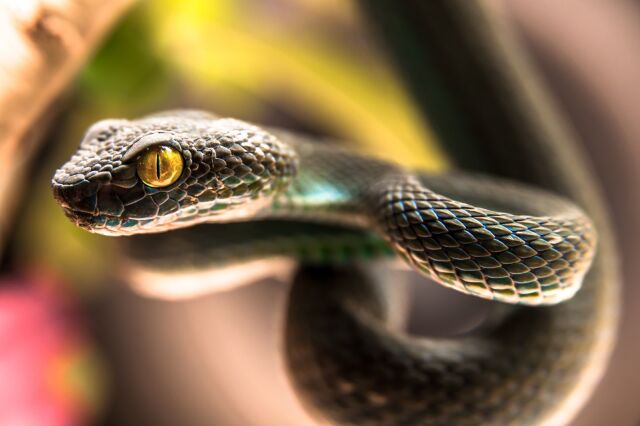 Snakes have always occupied a special place in human life and in the culture of different nations (Photo: KitThanit, licensed by Shutterstock.com)
The world calendar contains many holidays dedicated to individual representatives of the fauna or representatives of entire elements of the animal world classification system (classes, orders, families, etc.). International Snake Day is celebrated annually on July 16 .
Snakes (lat. Serpentes) are a suborder of the reptile class of the scaly order. The study of snakes is carried out by serpentology. There are about 3.5 thousand species of snakes in the world, of which 600 are poisonous. However, only 200 of them are recognized by the World Health Organization as dangerous to humans.
Snakes have always occupied a special place in human life and in the culture of different nations. They were either considered to be the offspring of hell or were deified and worshiped. For most people, snakes still cause, if not horror and fear, then certainly apprehension. Some nations, however, still worship snakes. As a rule, this is typical for the countries of Southeast Asia, India, and China.
The founders of the International Snake Day call on all people to learn more about the life, behavioral features, and habitat of representatives of this class of reptiles through education. Only in this way can one understand that a snake will remain harmless to a person if he behaves correctly when meeting it or simply if a person follows certain rules when in the habitats of these animals.
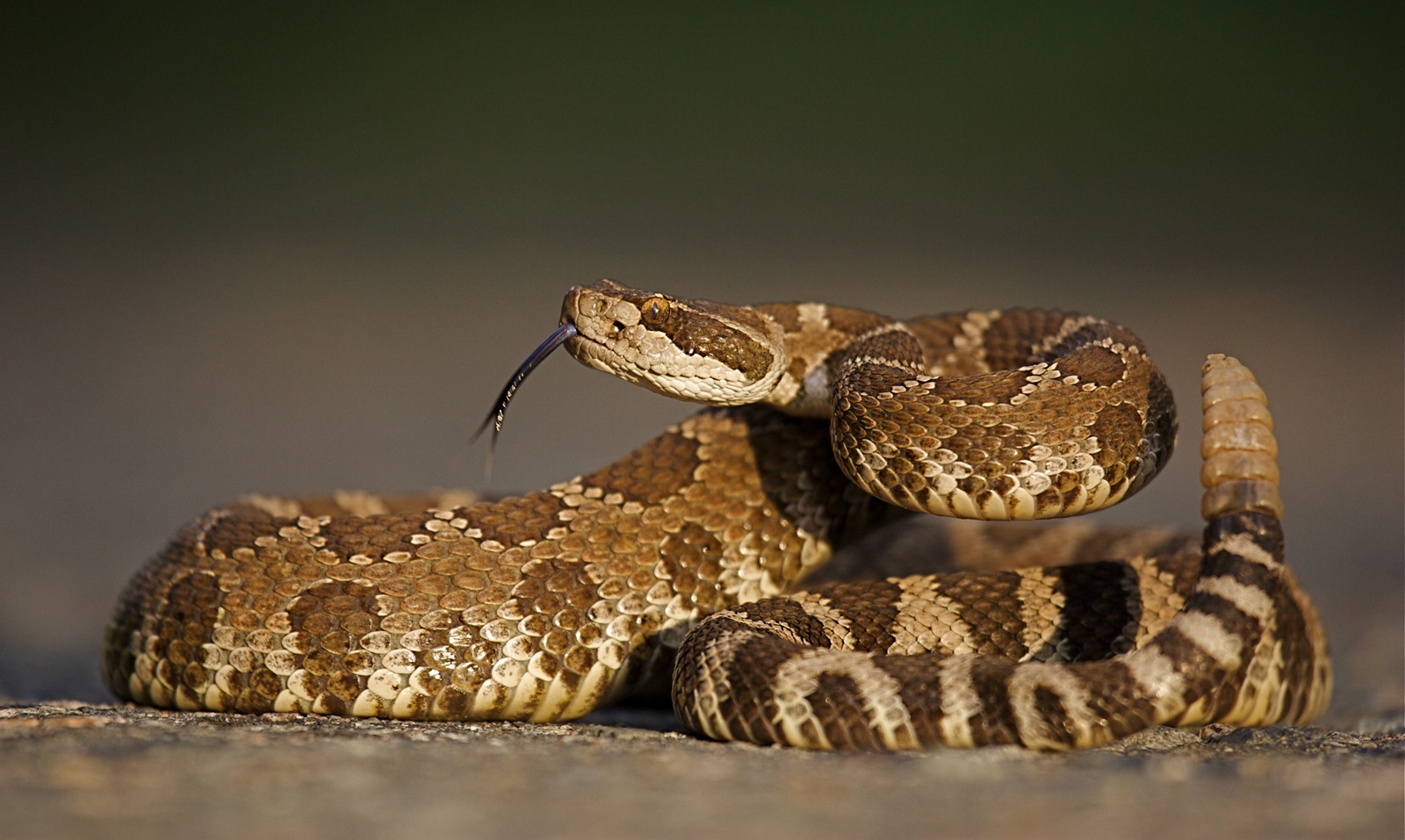
The founders of the Day call for more information about the life and behavior of this class of reptiles through education (Photo: Tom Reichner, under license from Shutterstock.com)
Scientists-serpentologists remind that snakes are a natural regulator of the number of many rodents, which, in turn, can be both simply pests of agricultural crops, supplies, and carriers of diseases. Snake venom is used in medicine as part of painkillers and anti-inflammatory drugs.
Photo exhibitions and documentaries about the lives of snakes also tell us that, on the one hand, the habitat of many of them suffers due to human invasion, and on the other hand, human housing and food waste are a source of reproduction for rodents that attract snakes.
Most snake attacks are caused by careless human behavior in nature, when a snake that has not had time to retreat is forced to resort to biting in defense. True, in some regions of hot countries, the proximity of these reptiles often causes inconvenience to humans and ends in bites and death when snakes end up on plantations or sneak into houses.
Scientists are calling on people to learn to live alongside these creatures, whose habitat is very wide and excludes only Antarctica and a number of island states.
https://www.calend.ru/holidays/0/0/3715/
Machine Translated by Google