

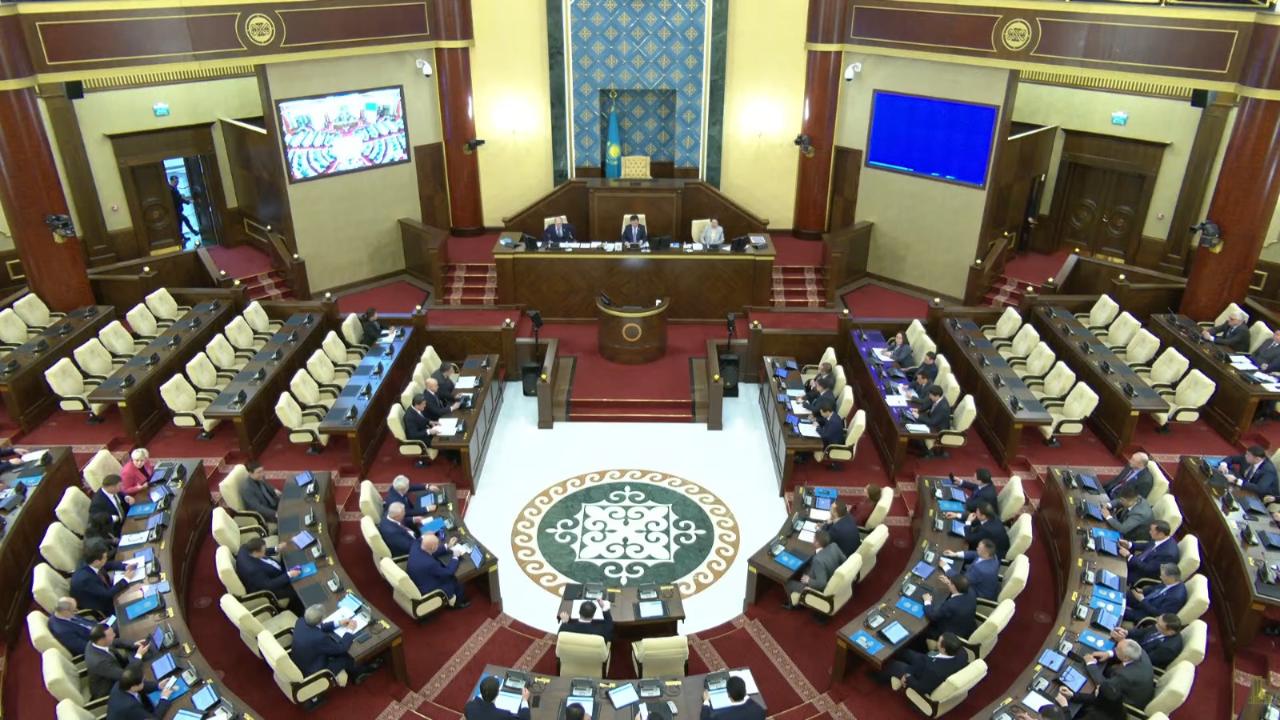
QAZAQ GREEN. The Mazhilis has ratified an agreement on strategic partnership in the production and transmission of green energy between Kazakhstan, Uzbekistan and Azerbaijan, the press service of the Ministry of Energy reported.
Speaking at a plenary session, Energy Minister Yerlan Akkenzhenov said the agreement—signed by the leaders of the three countries in November 2024 on the sidelines of COP29—lays the groundwork for one of the most ambitious energy projects in Kazakhstan’s modern history.
The initiative envisions the creation of a “Green Energy Corridor” that would enable exports of clean electricity, hydrogen and green ammonia from Central Asia to Europe via the Caspian Sea.
A key technological component of the project is the installation of a high-voltage deep-water direct current cable across the seabed of the Caspian Sea. The link is expected to provide Kazakhstan with direct access to the European Union’s electricity market through a related transmission project planned across the Black Sea.
The project has entered an active preparatory phase. Italian consulting firm CESI has begun work on a feasibility study. The study is estimated to cost €1 million and will be fully financed through grants from the Asian Development Bank and the Asian Infrastructure Investment Bank, which have confirmed their readiness to allocate up to $2 million in support of the initiative.
On 1 July 2025, the transmission system operators of the three countries established a joint venture, Green Corridor Alliance, to coordinate expert working groups involved in the project.
According to the ministry, the initiative is expected to significantly expand Kazakhstan’s export potential while strengthening its position as a key participant in large-scale technological projects in sustainable energy.
“The implementation of this global project will reinforce Kazakhstan’s role as a reliable partner in sustainable energy and a country capable of delivering major technological initiatives and participating in the development of international energy corridors,” Akkenzhenov said. “The joint project will increase the country’s export potential, stimulate technological development and help transform Kazakhstan into a major energy hub in Eurasia.”
Following the discussion, Mazhilis deputies approved the ratification bill, emphasizing its importance for strengthening regional energy security.


