

26112025
LEAP: Connecting Nature and Humanity
180
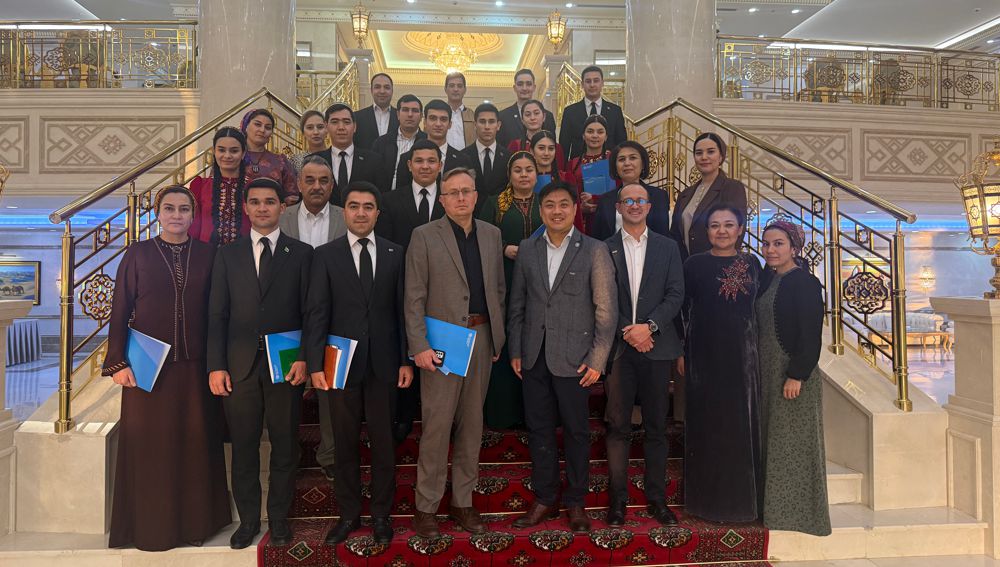
The name of the Food and Agriculture Programme (FAO)’s extensive platform, with a fund for implementing projects in relevant areas, translates as “Partnership for Assessing and Improving Environmental Performance in Livestock.” This year, faculty and students at the S.A. Niyazov Turkmen Agricultural University were introduced to the platform: after completing two distance learning courses, lecturers and students met in Ashgabat for the final round to test their knowledge. To this end, spontaneously assembled groups of various ages, consisting of scientists from the National Institute of Deserts, Flora, and Fauna of the Ministry of Environmental Protection of Turkmenistan, the Research Institute of Animal Husbandry and Veterinary Medicine of the Ministry of Agriculture, and recent university applicants, brainstormed, generated ideas, identified, measured, and conducted an economic assessment of the mutual benefits for nature of sustainable livestock farming, taking into account established foundations and traditions.
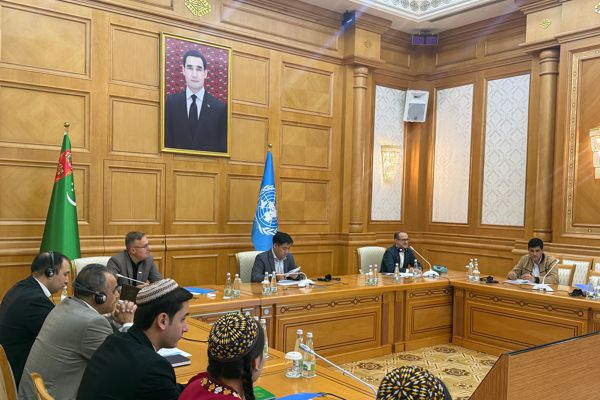
The meeting was attended by trainers who led the audio sessions, along with international FAO experts from Italy, Turkey, and China, who moderated the meeting. They emphasized that the program, which has been implemented in various regions of the world and is currently being promoted in Central Asia, incorporates the term “ecosystem services” and involves assessing the economic benefits of preserving the natural environment. Discussions highlighted the environmental benefits of raising livestock, fish, and poultry, as well as beekeeping. These include the production of livestock products—meat and dairy products, honey, and wool products—and the selection of unique sheep breeds (Saraja and Karakul), Arvan camels, and guard and hunting dogs (Alabai and Tazy), which are resilient to local soil and climate conditions. There is also a national cuisine that developed alongside the raising of a specific group of animals.
The livestock industry’s contribution lies in the veterinary control of zoonotic (common to humans and animals), parasitic, viral, and infectious livestock diseases, which also plays a protective role for wildlife. Of great importance is the recycling of livestock waste—organic matter used to produce compost and vermicompost—and the use of salt marshes to create artificial plant communities with the addition of salt-tolerant halophyte plants, which provide forage for grazing animals.
One of the sector’s revenue sources was identified as gastronomic agro-, cultural ethno-, and ecotourism, which could include the production of food products and folk arts and crafts from livestock products, tasting original Turkmen dishes, which could be combined with an introduction to the characteristics of man’s most ancient occupation—livestock breeding.
The meeting was supported by the Turkmen Ministries of Agriculture and Environment, as well as the Food and Agriculture Organization of the United Nations (FAO).
Gulnabat Dzhumamuradova
National Institute of Deserts, Flora and Fauna of the Ministry of Environmental Protection of Turkmenistan
https://mineco.gov.tm/?/HABARLAR/&page=habar&habar=841