

The upcoming Second Central Asia-China Summit, which will be held in June 2025 in the capital of Kazakhstan, Astana, is intended to become a key event for regional politics and economics.
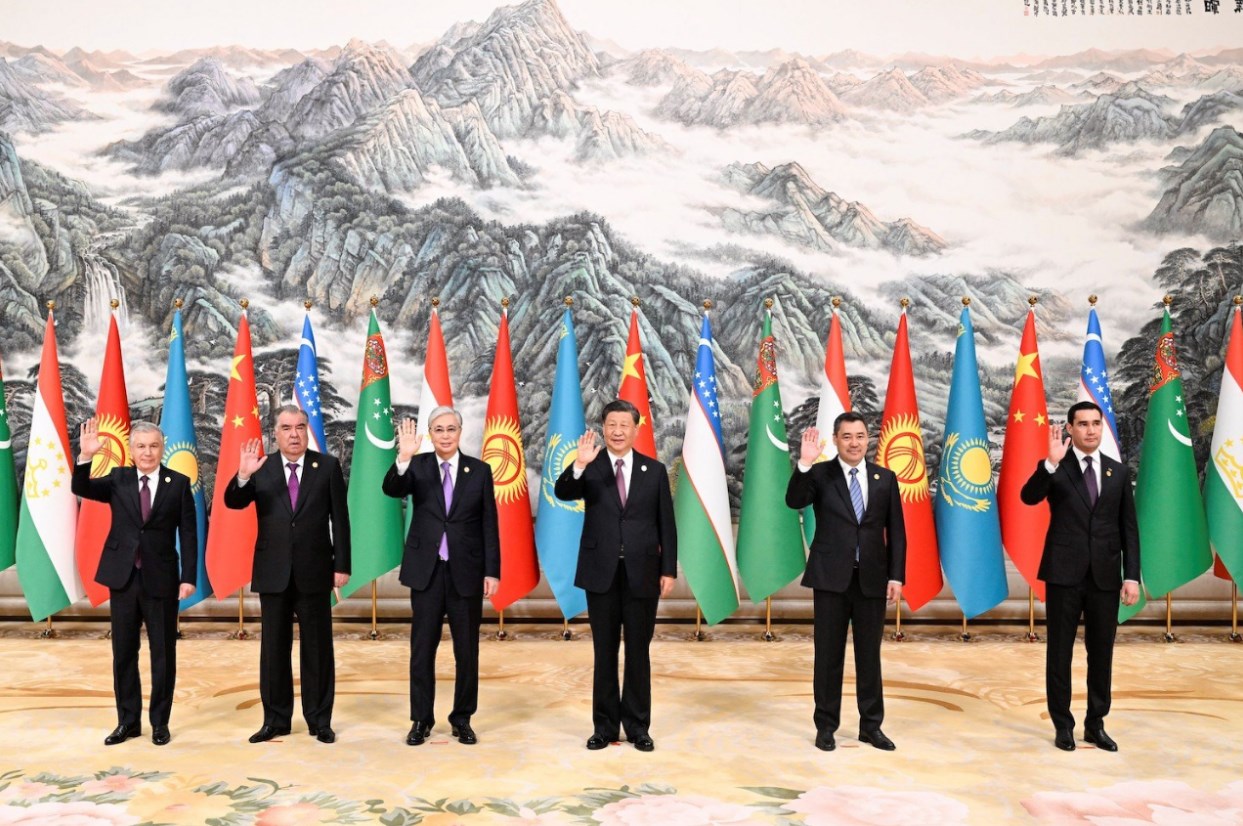 Photo: open sources
The forum is expected to not only continue the dialogue initiated by the first summit in Xi’an in May 2023, but also take the strategic partnership between China and the five Central Asian countries – Kazakhstan, Kyrgyzstan, Tajikistan, Turkmenistan and Uzbekistan – to a qualitatively new level.
At the same time, the second meeting in the “China+5C” format is of particular importance for Kazakhstan, one of Beijing’s key partners in the region, as it can give new impetus to strategic interaction with a great neighbor that has the world’s largest investment, industrial and technological potential.
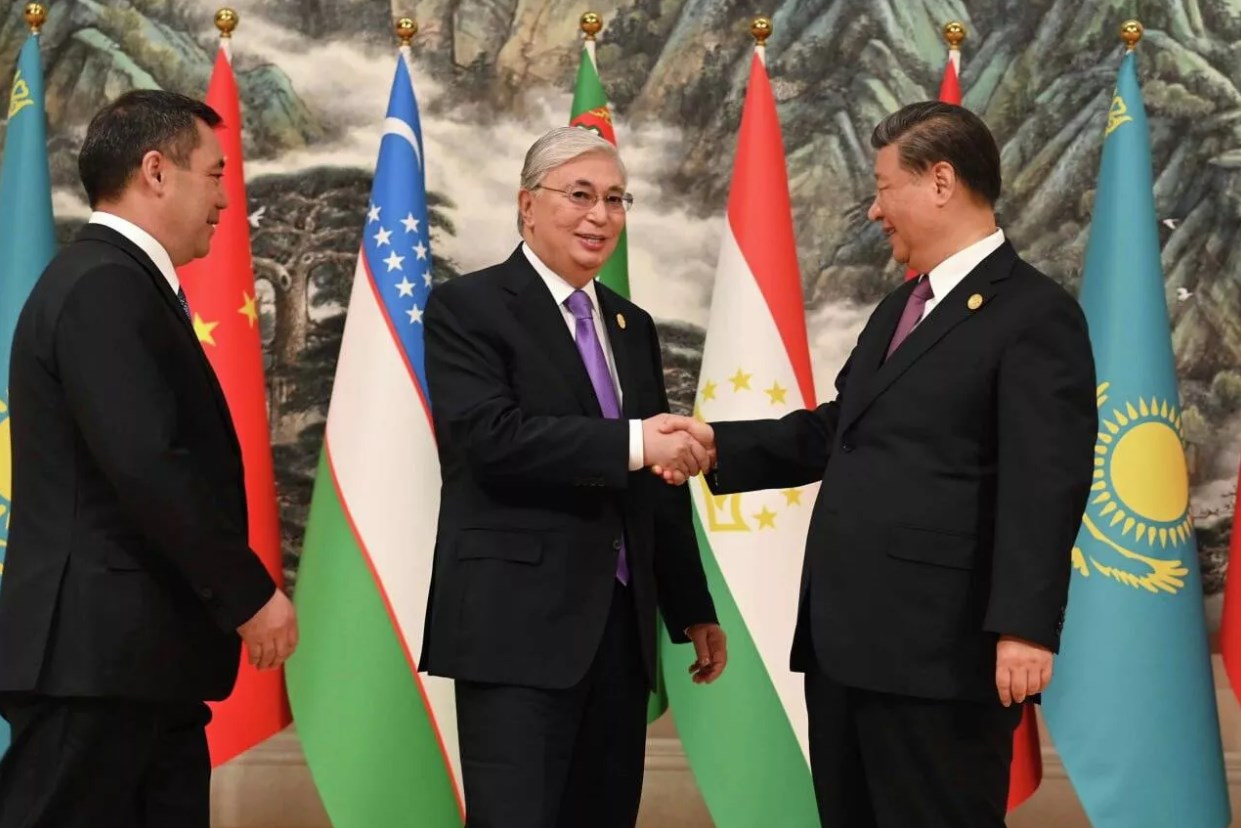
This was stated in March by the President of Kazakhstan Kassym-Jomart Tokayev at a meeting with the head of the International Relations Department of the Central Committee of the Communist Party of China Liu Jianchao. Tokayev emphasized the desire of Kazakhstan and China to deepen the strategic partnership. The President expressed confidence that the upcoming visit of the Chairman of the PRC to Astana to participate in the Central Asia-China summit in June of this year will open new horizons for strategic cooperation.
The significance of this summit goes far beyond the formal meetings and signed agreements. It symbolizes the growing importance for both China and Central Asia to build long-term and mutually beneficial relations within the framework of the strategic project “One Belt, One Road”. In the context of geopolitical turbulence and rethinking of global relations, this format of dialogue is especially relevant, offering an alternative model of multilateral cooperation.
Central Asia has a unique chance to diversify economic ties
The Central Asian states, located in a complex geopolitical knot, have a unique chance to strengthen their multi-vector foreign policy and diversify economic ties. In this regard, the Second Summit provides them with a number of key opportunities:
- Economic benefits and infrastructure development: China remains the largest trading partner and significant investor in the region. The summit could facilitate new agreements in trade, transport and logistics, including the development of key corridors of the Belt and Road Initiative. This opens the door to modernizing outdated infrastructure, attracting technology and creating new jobs. Deepening economic cooperation could become a catalyst for sustainable growth and increased competitiveness of the Central Asian economies.
- Strengthening regional agency: Dialogue with China on a multilateral basis allows the Central Asian countries to act in a more consolidated manner, articulating their common interests and concerns. This strengthens their regional agency in the international arena and allows them to more effectively defend their positions in dialogue with other major players.
- Diversification of funding and investment sources: In a context of geopolitical uncertainty, deepening ties with China provides an alternative source of funding for ambitious development projects, reducing dependence on traditional partners. This is especially important for countries seeking greater economic self-sufficiency.
- Strengthening security and stability: China plays an important role in regional security, especially in the context of combating terrorism and extremism. Deepening cooperation in this area, including information sharing and joint anti-terrorism exercises, can help strengthen stability in Central Asia, which is a key condition for sustainable development.
- Cultural and humanitarian exchange: The summit can stimulate the expansion of cultural, educational and scientific exchanges, promoting better mutual understanding and strengthening good-neighborly relations between the peoples of Central Asia and China.
For China – strengthening its geo-economic position in a stable region
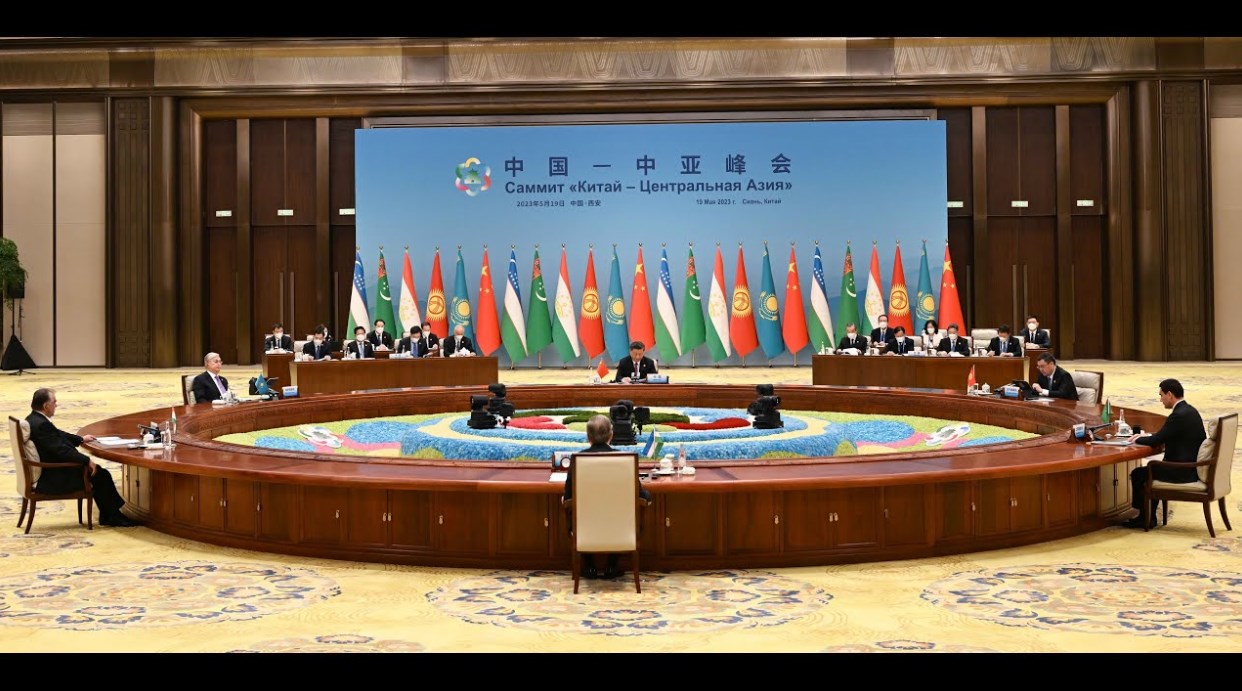
In the context of growing international tensions and trade conflicts, the China-Central Asia summit is becoming a serious dialogue platform for Beijing, opening up strategically important prospects:
- Strengthening Geopolitical Influence: Central Asia is a key region within the Belt and Road Initiative and is of strategic importance to China’s geopolitical ambitions in Eurasia. Successful dialogue strengthens China’s influence in the region, creating a more stable and predictable environment for its economic and infrastructure projects.
- Ensuring energy security: Central Asia has significant energy reserves that are strategically important to China’s growing economy. The summit could help secure long-term energy contracts and stable supplies.
- Expanding Markets: The growing economies of Central Asia represent a promising market for Chinese goods and technologies. Deepening trade ties will help expand China’s export opportunities and strengthen its economic influence in the region.
- Building a stable security belt: Stability in Central Asia is of paramount importance for the security of China’s western borders, especially in the context of combating terrorism and extremism. Strengthening security cooperation helps create a more secure and stable environment.
- Promoting the Belt and Road Initiative: The summit is an important platform for promoting and coordinating projects under the Belt and Road Initiative. Reaching new agreements and demonstrating mutual benefits will help further implement this ambitious strategy.
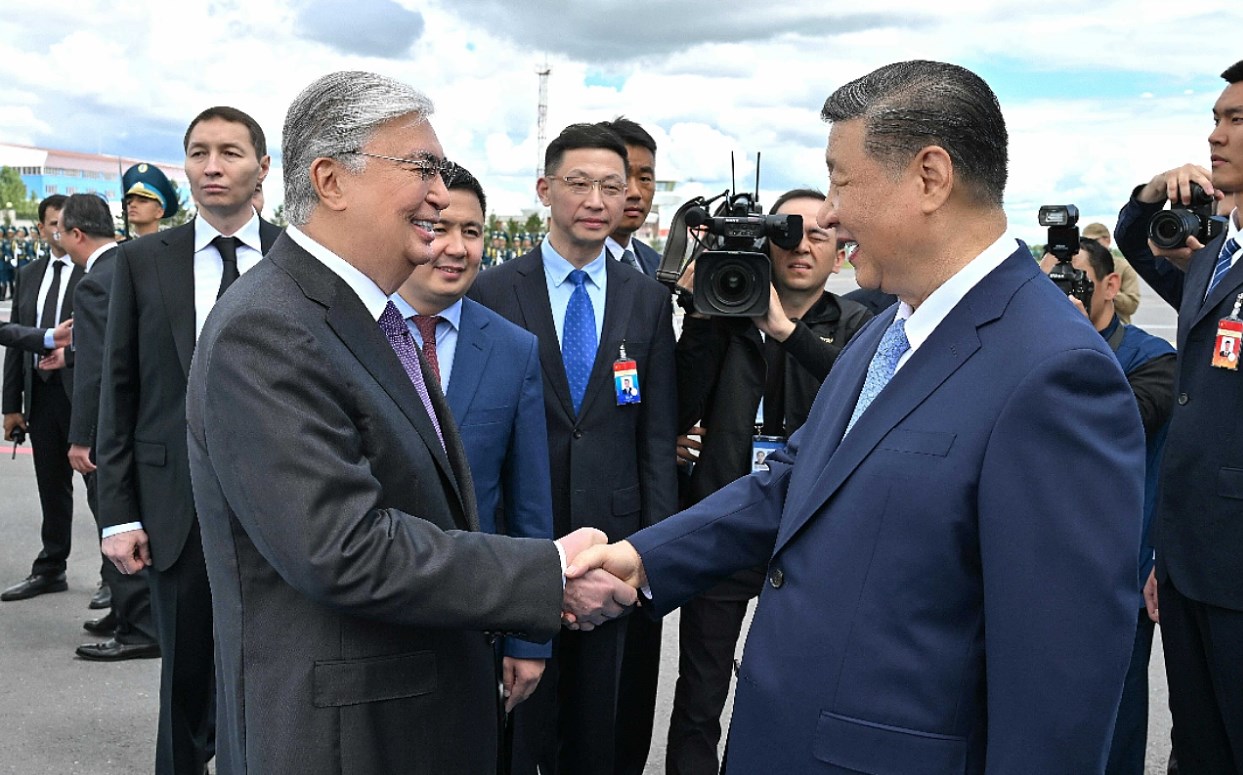
Kazakhstan is a key link in China’s strategy in Central Asia
Situated in the heart of Central Asia, Kazakhstan, with its long borders and key role as a major transit link in the Belt and Road Initiative, sees a unique opportunity in the upcoming summit. The further development of the strategic alliance with China remains a cornerstone of Astana’s foreign policy, driven by both economic benefits and geopolitical necessity. It is therefore logical to assume that hospitable Astana, host of the Second Summit, is seeking to fully exploit its potential in order to, like the success of the first meeting in Xi’an, once again interest Chinese partners in its attractive investment prospects.
Referring to the fruitful results of the first China + Central Asia summit, where our country was represented by President Kassym-Jomart Tokayev, Kazakhstan strengthened its ties with China by signing 22 cooperation documents valued at more than 22 billion US dollars. Two years have passed since that landmark event, marked by the dynamic implementation of many important joint investment initiatives covering various sectors of the Kazakh economy. Here are just a few striking examples:
- Expansion of automobile production: The construction of a plant for the production of Changan, Haval and Chery automobiles with a capacity of 90,000 units per year on the basis of semi-knocked down assembly is nearing completion. An investment agreement has also been signed for the production of Geely, Exeed and Kaiyi passenger cars worth $150 million, creating 1,000 jobs.
- Metallurgy and mining: Beijing Jianlong Heavy Industry and Zijin Mining Group will establish joint ventures in steel and rare earth metals. Shanghai Shanyuhai Investment Group is building a $200 million mining and processing plant in the Almaty region, scheduled to open in 2025.
- Chemical industry: CHN Energy Investment plans to launch Kazakhstan’s first coal-chemical complex. Tianjin Cement Industry Design and Research Institute is participating in the Sastobe chemical complex project.
- Logistics centers and terminals: In 2025, it is planned to launch a logistics complex in Almaty, a logistics center in the Moscow region of Russia and a terminal in the port of Alyat (Azerbaijan) jointly with China.
Space cooperation: Kazakhstan and China plan to jointly build and operate a scientific station on the Moon for the period from 2030 to 2035. Kazakhstan’s contribution will consist of participation in the development and launch of a circumlunar telescope, and conducting joint scientific research in the space sector.
It should be noted that the flow of new projects with China in Kazakhstan is increasing every year. In November 2024 alone, eight commercial agreements with Chinese companies worth $2.5 billion were signed in Shanghai during the visit of Kazakh Prime Minister Olzhas Bektenov. All this indicates the deepening of economic cooperation between China and Kazakhstan and is aimed at creating high-tech industries, developing transport infrastructure, and strengthening trade and economic ties between the two countries.
Thus, there is no doubt that the upcoming second China+CA summit in Astana will only strengthen the dynamics of cooperation between our two countries,
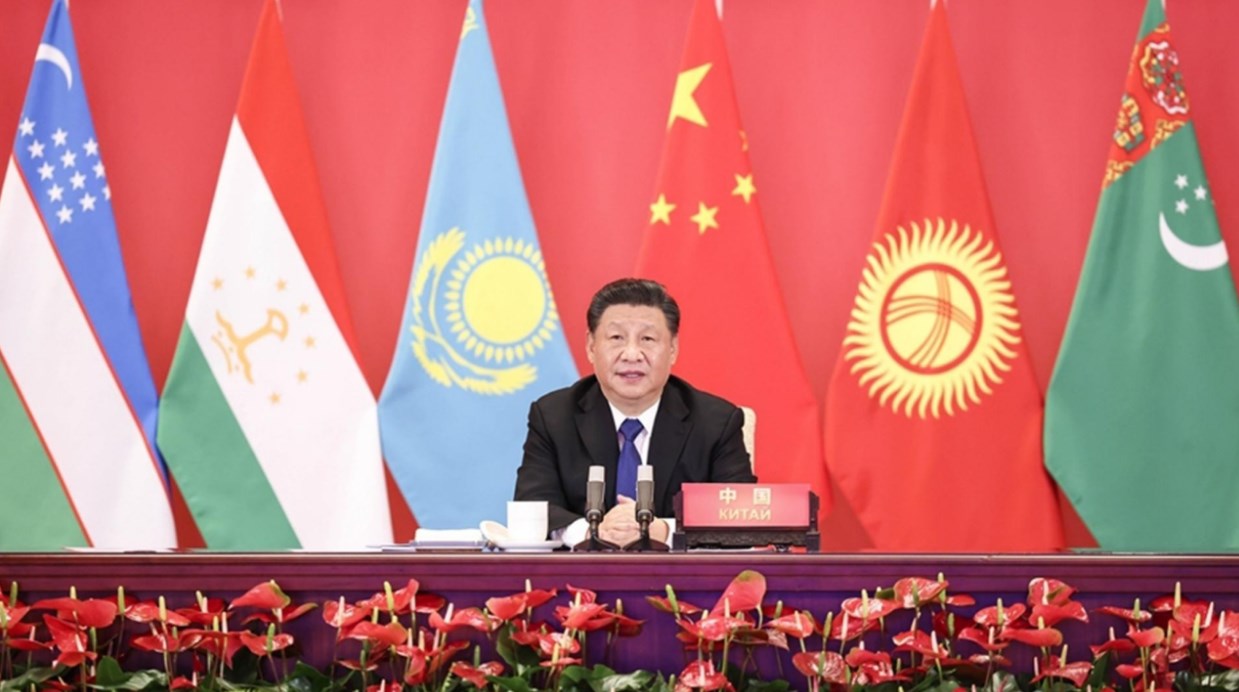
The second China+5C meeting is a new chapter in relations between Beijing and the entire region
It is obvious that the Second Central Asia-China Summit will mark a transition to a more mature and structured form of interaction. The creation of permanent cooperation mechanisms in specific areas can increase the effectiveness of interaction and ensure regular dialogue at various levels.
In addition to the individual benefits for the participants, the Second Central Asia-China Summit creates a number of common strategic opportunities. In particular, in the context of a changing global architecture, dialogue between Central Asia and China can contribute to the formation of a new regional order based on the principles of mutual respect, equality, and mutually beneficial cooperation.
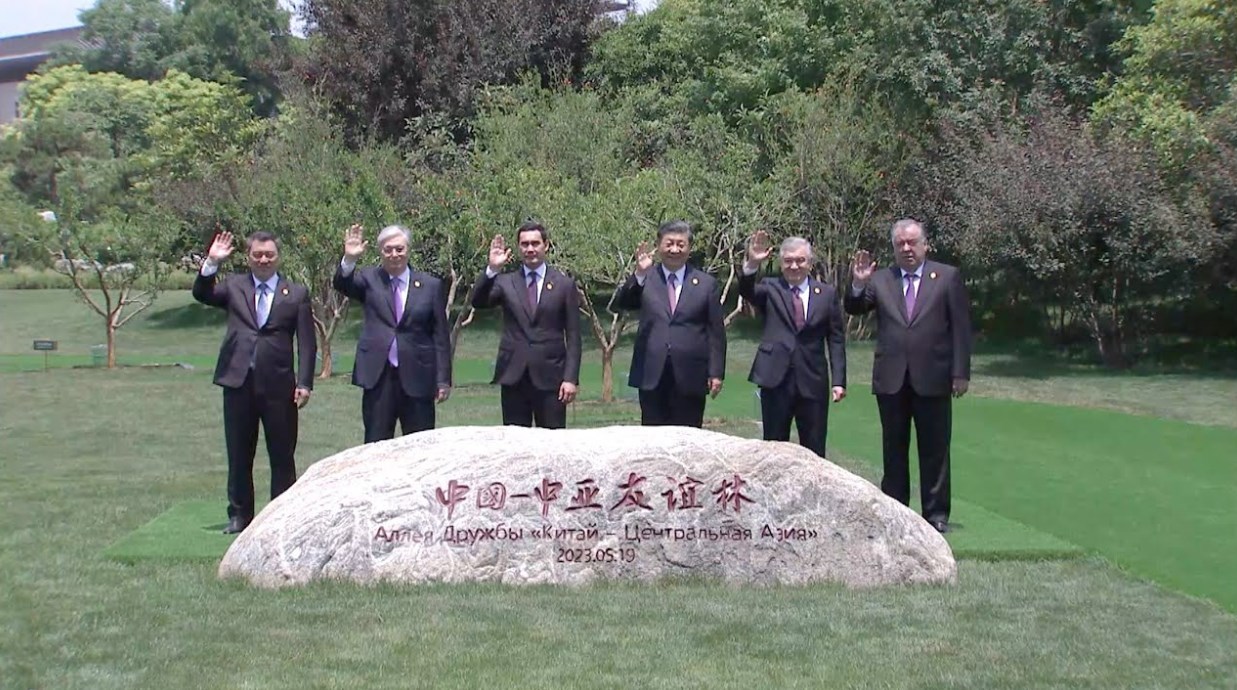
Moreover, regular and constructive dialogue between China and Central Asian countries will undoubtedly help reduce tensions and have a positive impact on the economic development and security of all China+5C participants.
It is therefore likely that the Second Central Asia-China Summit in Astana will open a new chapter in relations between Beijing and the region. The strategic opportunities arising from this dialogue could have far-reaching implications for economic development, security, and the geopolitical landscape of Eurasia.
Against the backdrop of growing global instability and tariff wars, the growing importance of the upcoming Second China-Central Asia Summit seems logical. It is expected to become a key platform for a detailed study of the participants’ enormous trade and economic potential and the development of consolidated decisions aimed at accumulating the efforts of the “six” countries in order to give their joint projects a qualitatively new, breakthrough character.
Kemar MASHANLO, editor-in-chief of the Phoenix 24 news agency
https://dknews.kz/ru/shelkovyy-put/359844-vtoroy-sammit-centralnaya-aziya-kitay-kazahstan-v