
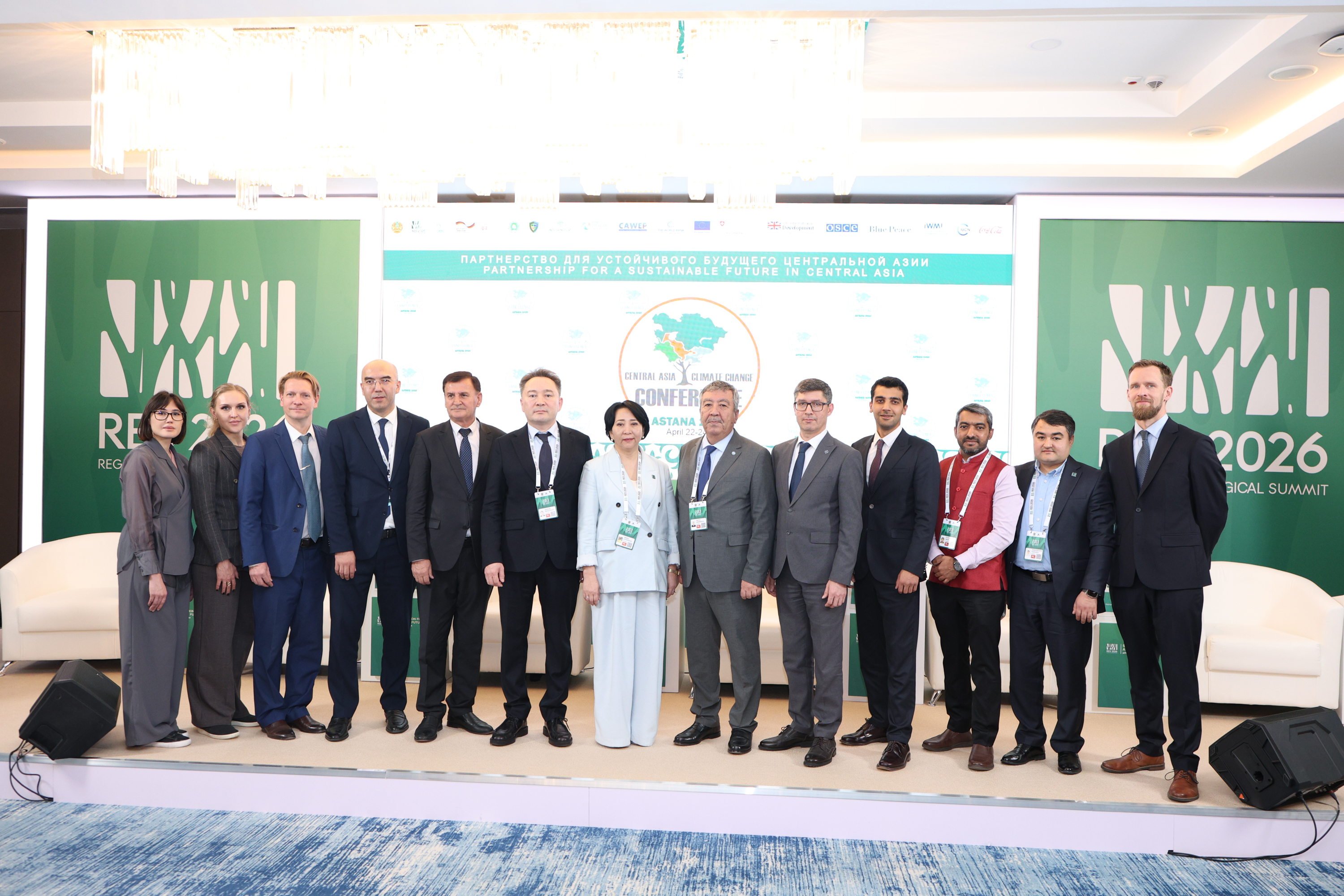
From intent to implementation: an institutional breakthrough
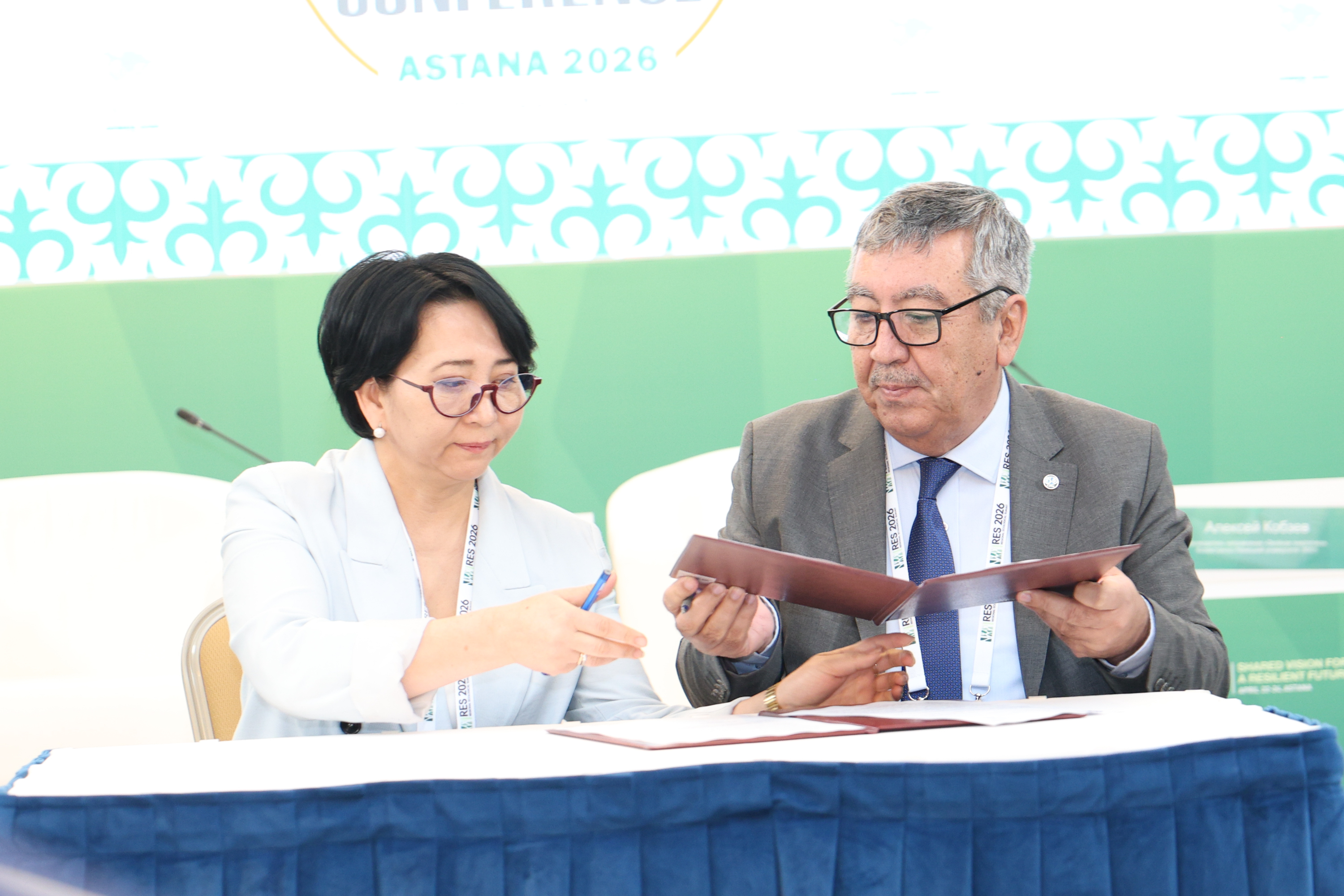
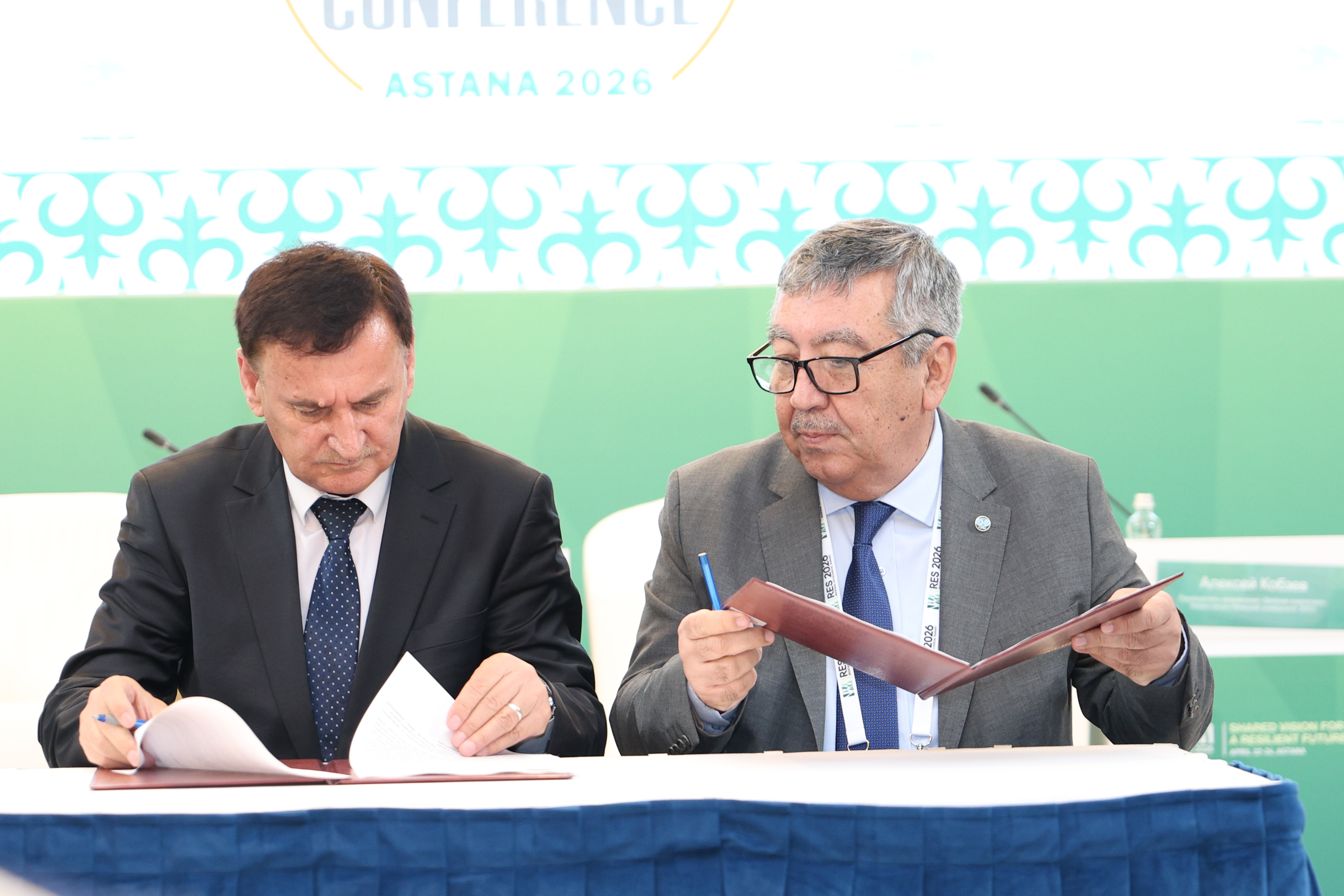
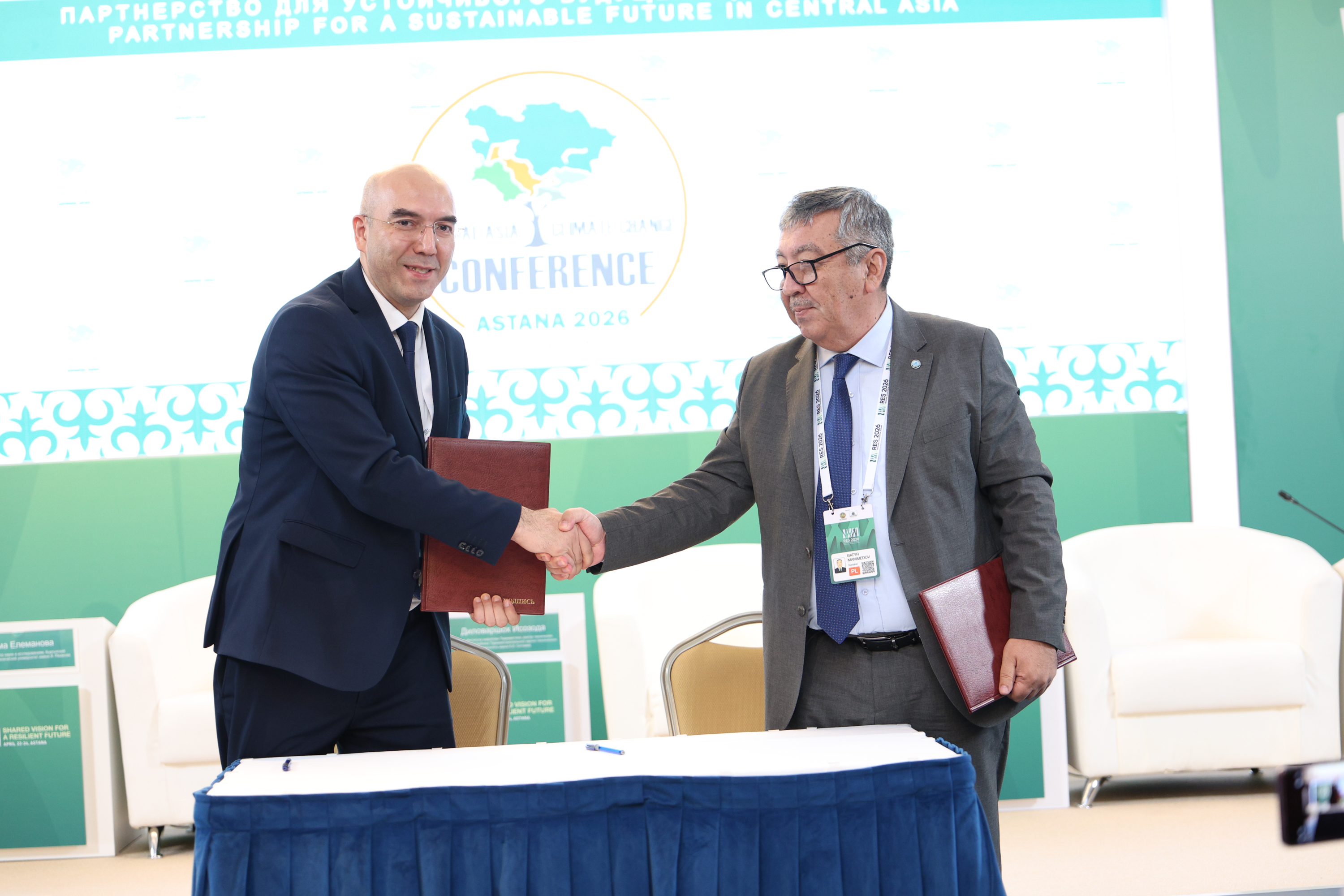
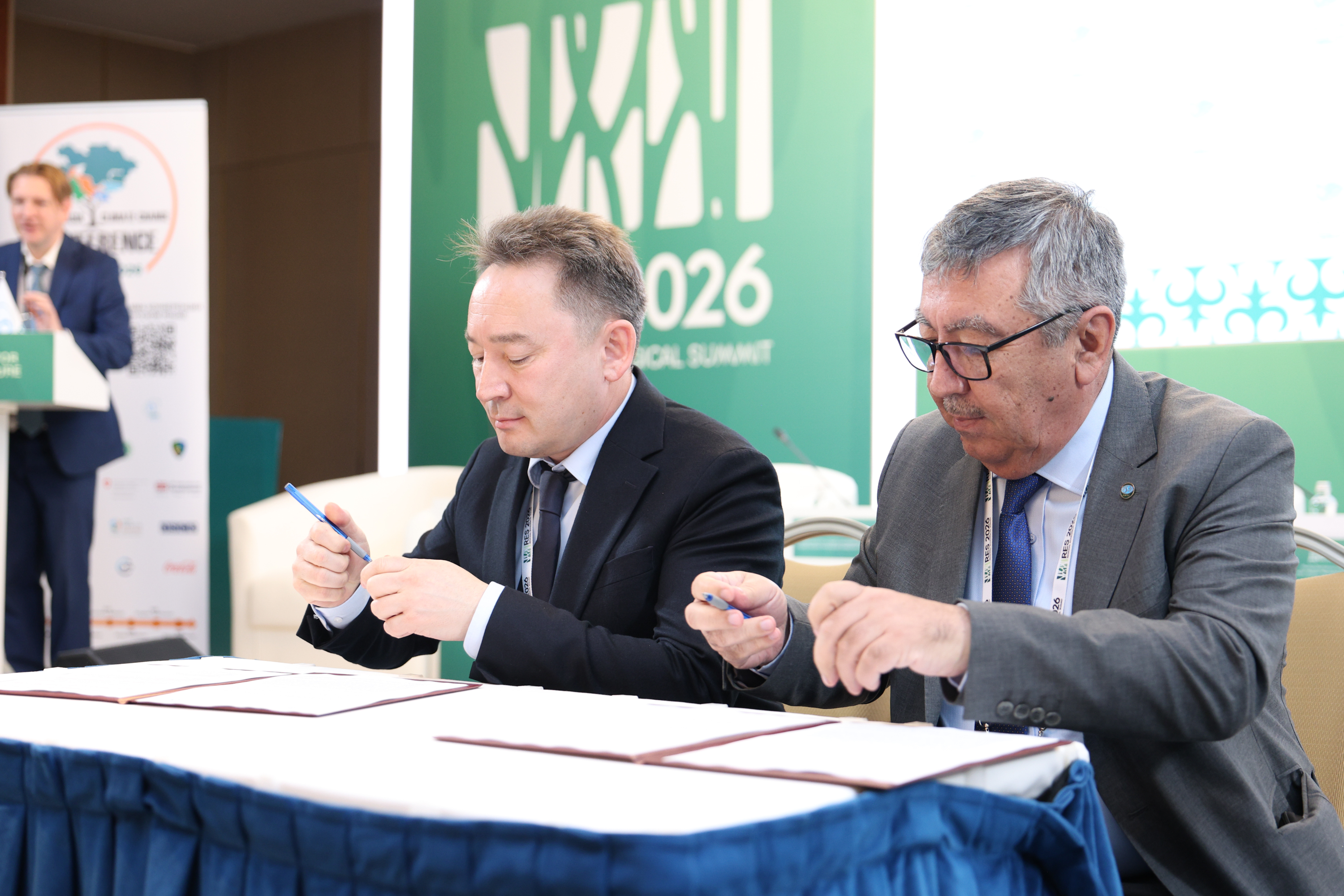
Against the backdrop of plans to commission 8 GW of renewable energy capacity across the region and create up to 100,000 jobs by 2050, the issue of workforce shortages has moved into the implementation phase. The memoranda signed between the Regional Environmental Centre for Central Asia (CAREC) and technical universities from Kazakhstan, Kyrgyzstan, Tajikistan, and Uzbekistan mark the start of large-scale regional integration.
“We have laid the foundation for companies and universities to speak the same language. This is a shift from discussion to concrete mechanisms for training specialists capable of building the energy systems of the future,” said CAREC Executive Director Batyr Mamedov.
Universities shaping the future workforce
The memoranda formalize cooperation between CAREC, represented by Batyr Mamedov, and the following key institutions:
- Kazakhstan: Satbayev University — signed by Rector Meiram Begentayev. The university is already implementing a model that integrates students into real industrial processes during their studies.
- Kyrgyzstan: Kyrgyz State Technical University named after I. Razzakov — represented by Rimma Elemanova. The institution focuses on modernizing engineering programmes in line with climate challenges.
- Tajikistan: Tajik Technical University — signed by Dilovarshoh Tarik Isozoda. Cooperation will focus on training specialists for mountainous and cross-border energy systems.
- Uzbekistan: Green University — represented by Bakhtiyor Pulatov. The university will serve as a platform for introducing innovative and interdisciplinary approaches in environmental and sustainability education.
Key areas of cooperation
The signed agreements outline several priority areas to be implemented over the next 12–18 months:
- Regional course: Launch of the first joint course on integrating variable renewable energy into power systems, developed by professors from across the region.
- Programme alignment: Bringing academic curricula in line with real market needs in the energy sector.
- Academic mobility: Establishing regional research networks and shared laboratory infrastructure for students and researchers.
The session took place on April 23, 2026, as part of CACCC-2026. The session organized in joint collaboration of the OSCE-CAREC Initiative “Regional Task Force on Education for a Just and Inclusive Energy Transition (RTEET) in Central Asia” (part of the OSCE project “Promoting Women’s Economic Empowerment in the Energy Sector in Central Asia”), the Regional GIZ Project “Green Skills for a Green Economy in Central Asia (PROGRESS)”, and Regional EU-GIZ Programme “EU4SustainableCentralAsia: Renewable Energy in Central Asia (EURECA)”.