

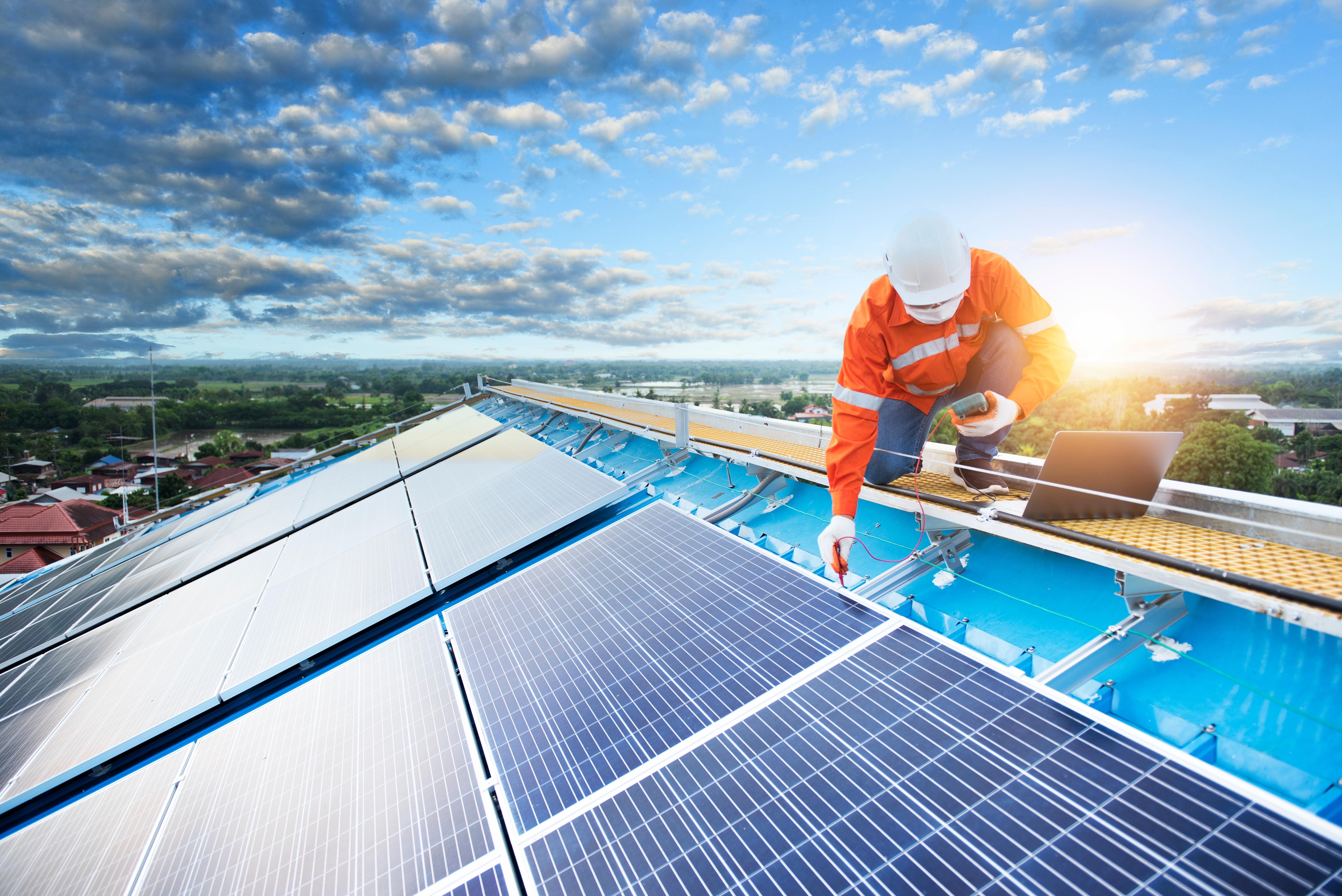
QAZAQ GREEN. On February 4, 2026, Mazhilis deputy Yerlan Smagulov drew attention to rising energy consumption in Kazakhstan and proposed easing pressure on the state budget by installing rooftop solar panels on schools, hospitals, and other public facilities, Zakon.kz reported.
According to Smagulov, Kazakhstan has recorded steady growth in final energy consumption, which increased by 11.9% between 2014 and 2024.
“A significant share of this growth comes from the building sector, including socially important facilities such as educational institutions, healthcare facilities, and kindergartens. This is due to the expansion of the building stock, physical deterioration of infrastructure, and limited funding for energy modernization. Today, every third public-sector building exceeds established energy consumption standards. At the same time, public institutions pay the highest electricity tariffs, which reach up to 82.7 KZT per kilowatt-hour,” the deputy said.
He emphasized that reducing budgetary pressure and strengthening energy security would require a gradual rollout of rooftop solar systems across publicly funded buildings, along with the development of an independent segment for generating and supplying electricity from alternative sources.
“Kazakhstan has substantial potential to expand renewable energy by installing solar facilities on public-sector buildings, of which there are about 13,000 nationwide. Private companies are ready to install solar panels at tariffs roughly half of current electricity prices, which would significantly reduce government spending on power. These measures are consistent with the President’s Address of September 2, 2024, which set a target of increasing the share of renewable energy to 15% by 2030,” Smagulov noted.
At the same time, he pointed out that existing electricity payment mechanisms for public facilities pose a major obstacle, as they do not allow for the direct purchase of electricity generated by rooftop solar systems. Instead, electricity must be procured from a single supplier through public procurement procedures.
To address this issue, Smagulov proposed creating a legal framework that would allow public institutions to sign direct power purchase agreements with investors installing solar panels. He also suggested considering the classification of such facilities as net consumers under the ESCO model, enabling investors to recover costs while lowering electricity expenses for budgetary organizations.