

March 12, 2026 , Tashkent – A preparatory workshop on a case study on accelerating Uzbekistan’s country progress toward achieving Sustainable Development Goal 6 (SDG 6) was held in the UNDP conference hall. The workshop was attended by the Deputy Minister of Water Resources of the Republic of Uzbekistan, the UN Resident Coordinator, and the UNDP Resident Representative, as well as representatives of relevant ministries and agencies.
Each year, UN-Water selects three countries that have made significant progress on the SDGs to prepare case studies. This year, these countries are China, Sao Tome and Principe, and Uzbekistan.

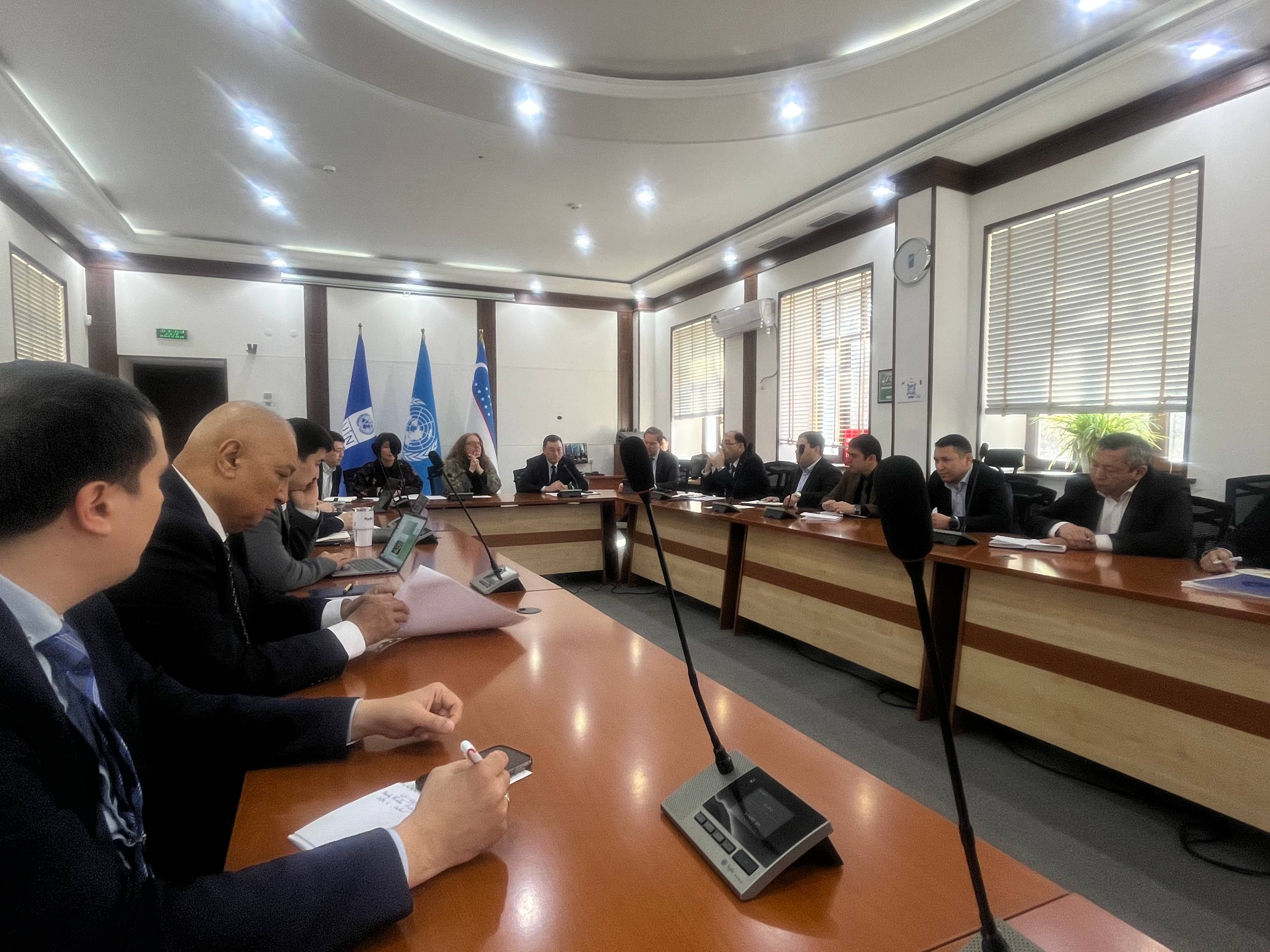
The main objective of the event in Tashkent was to discuss the preliminary findings and key messages from the study in Uzbekistan. This case study is an important recognition of the progress the country has made towards SDG 6. In particular, a significant reduction in water stress (SDG 6.4.2) was noted, from 169% in 2018 to 122% in 2022. Total water withdrawal also showed a steady decline, from 58,918 million cubic meters in 2017 to 45,281 million cubic meters in 2024. It was also noted that the drivers of progress included, among other things, large public investments (including the concreting of canal beds), the promotion of public-private partnerships, as well as concessional loans (through the Agrobank system at 10-14% for 5 years) and subsidies for the implementation of water-saving technologies.
This case study aims to stimulate further action to achieve SDG 6 in the country and share its experience with other countries. Uzbekistan’s experience in combining financial instruments with capacity development is highly sought after and can be applied in other countries experiencing water shortages and endorheic basins.
The final version of the study on Uzbekistan will be presented at the annual Special Event on SDG 6 at the UN High-Level Political Forum in July this year.
Google machine translated