

The Tien Shan glaciers are melting faster than official data can be updated, and with them, the water balance of the entire region is changing. Climate change is already impacting not only ecosystems but also agriculture, food prices, and the resilience of entire communities. Why might scientific assessments underestimate the scale of the events? What threats does accelerated glacier melting pose? And is it possible to adapt to new climate conditions? Glaciologist Gulbara Omarova, who has been researching Central Asian glaciers for many years, discusses these issues in an interview.
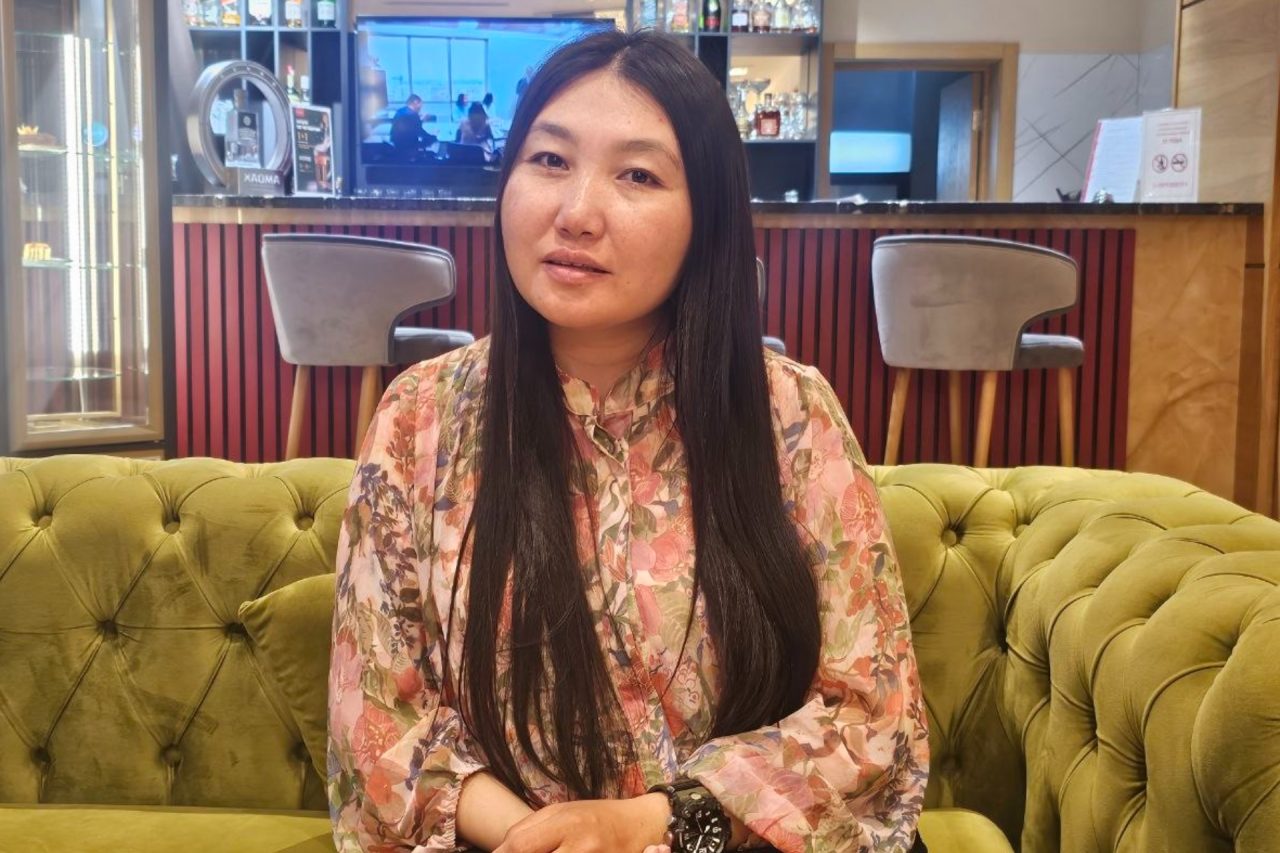
We met Gulbara at the RES 2026 Regional Environmental Summit in Astana . Gentle and kind-eyed, yet with a confident and firm voice, she spoke about the alarming changes occurring in Central Asian glaciers and warned of the risks humanity is already facing. The Tien Shan glaciers are melting faster than official data can be updated, and with them, the water balance of the entire region is changing. Climate change is already affecting not only ecosystems but also agriculture, food prices, and the resilience of entire communities. Why might scientific assessments underestimate the scale of events? What threats does accelerated glacier melting pose? And is it possible to adapt to new climatic conditions? These questions are explored in an interview with glaciologist Gulbara Omarova, who has been researching Central Asian glaciers for many years.
— Gulbara, how do you assess the current state of glaciers in Central Asia?
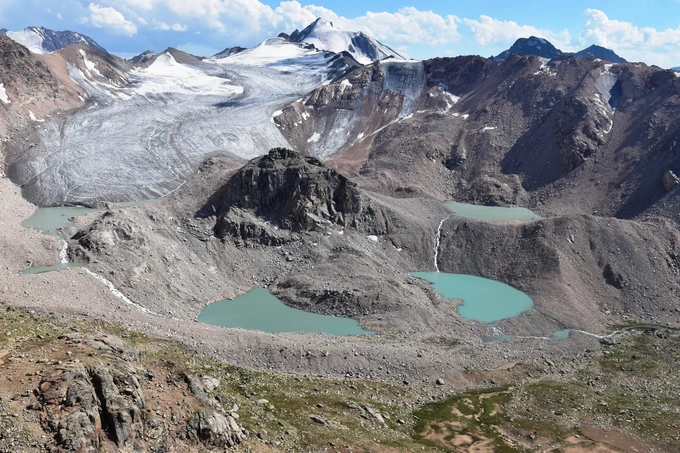
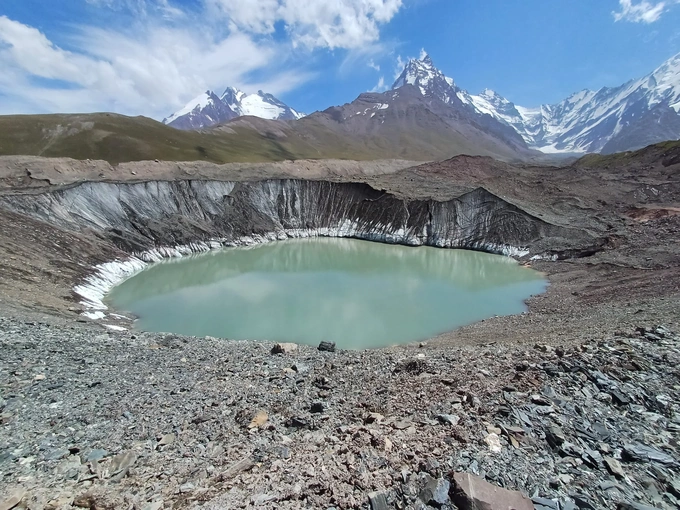
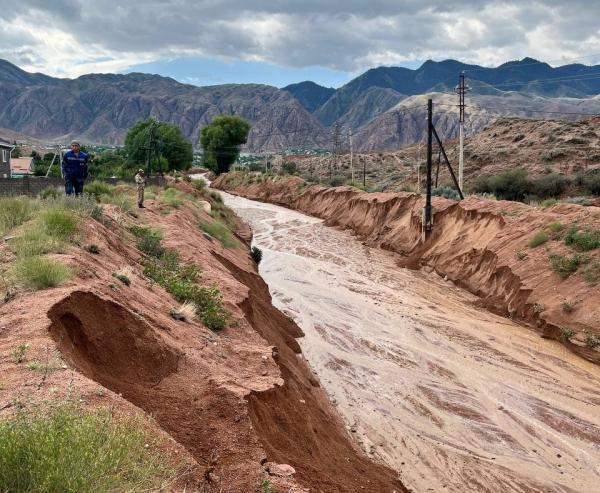
I monitor glaciers and lake outburst hazards in the Northern Tien Shan in Kyrgyzstan. Our work covers a wide range of hazardous hydrogeological and exogenous processes, including glacial lake outburst floods (GLOFs), high-altitude lake outburst floods, mudflows, and other natural phenomena directly linked to climate change. We don’t just record facts; we systematically monitor the dynamics of these processes, conduct expeditions, install equipment, analyze satellite data, and compare it with field measurements. Assessing the current state of glaciers in Central Asia is actually very difficult. The main problem is the lack of regular, accurate, and comparable data. Comprehensive monitoring of all glaciers in the region is not conducted, and many weather stations are located significantly below the glaciated zones. Therefore, we often rely on fragmented studies, archival data, and our own observations. Nevertheless, even these data are sufficient to draw a clear conclusion: the glaciers of Central Asia are actively degrading. They are shrinking in both area and mass. These are not isolated cases, but a consistent regional trend. This is particularly evident in the so-called core glaciers, where continuous monitoring is conducted. We are recording that their tongues, or lower portions of the glacier, are retreating further each year. Sometimes this is tens of meters per year. Visually, this appears as the glacier “retreating” up the valley, but in reality, it signifies ice loss, structural changes, and a disruption of the entire glacial balance. Furthermore, the internal dynamics are also changing. Snow accumulation is decreasing, the melt period is increasing, and the relationship between accumulation and ablation is being disrupted. This indicates that the glaciers are not recuperating. This is why we say that this process is no longer cyclical, but is steadily deteriorating. This is an alarming signal not only for science but for the entire region, as water resources, agriculture, and human safety directly depend on the state of glaciers.
— Are there any specific figures on the reduction?
— Yes, certain quantitative estimates exist, but it’s important to understand that they are largely averages and don’t always reflect the actual dynamics in all areas. For example, according to field observations and research by our colleagues in Tajikistan, glaciers have already shrunk by approximately 20–25%.
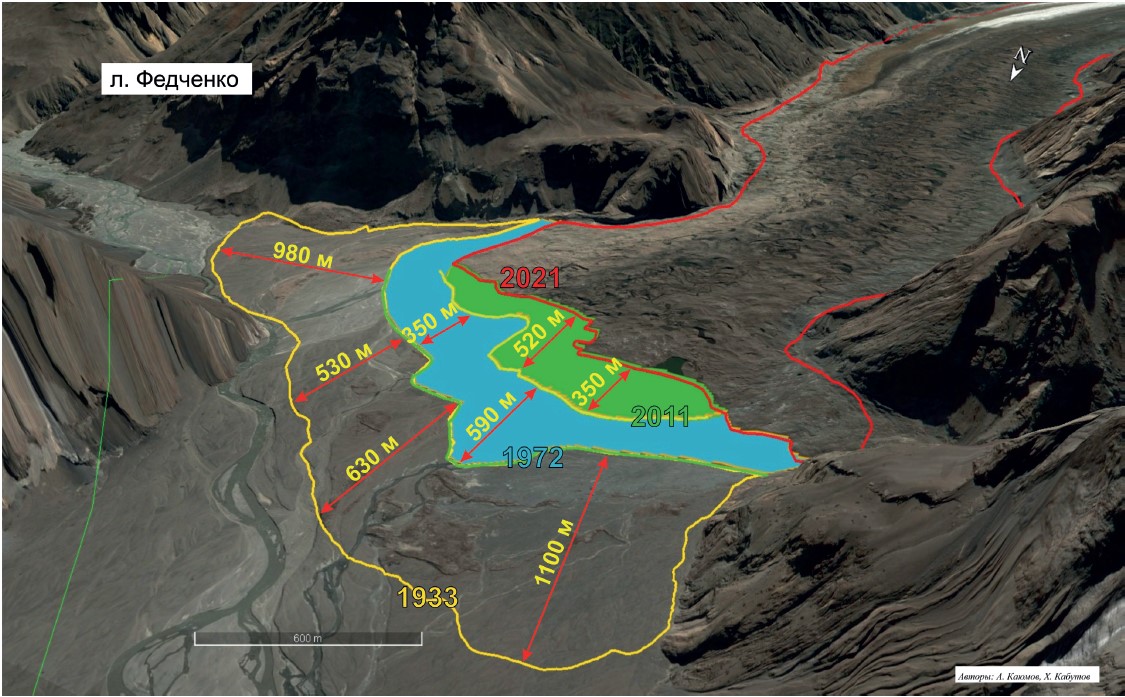
In certain basins, where warming and precipitation changes are more pronounced, the decline may reach 30% or more. In a broader regional context, estimates are often cited for the entire Tien Shan system: over the past 50 years, glaciers have lost approximately 27% of their mass and approximately 18% of their area. These figures are regularly cited in scientific reports and at international forums. However, I approach them with a certain caution. The fact is that such estimates are based on a limited number of observed glaciers and satellite data, which do not always accurately account for local characteristics. There are thousands of glaciers in Central Asia, but systematic and regular monitoring is conducted on only a small fraction of them. In many cases, long-term observation series are lacking, there are no up-to-date inventories, and data from different countries and scientific groups are not always comparable. Moreover, our own field research shows that in some areas, degradation is occurring faster than reflected in official statistics. For example, on some glaciers, we’re recording a significant decrease in ice thickness by several meters in melt zones, as well as rapid retreat of the glacier front. This suggests that mass loss may be much more severe than average calculations suggest. Therefore, I would say this: the figures being reported today provide a general idea of the scale of the problem, but they don’t fully reveal it. In reality, the situation may be more dramatic, especially in sensitive and poorly studied basins. This is why it’s crucial to develop comprehensive monitoring, consolidate data at the regional level, and conduct regular glacier inventories to understand not only trends but also the actual rate of change.
— How does glacier change affect the region’s water resources?
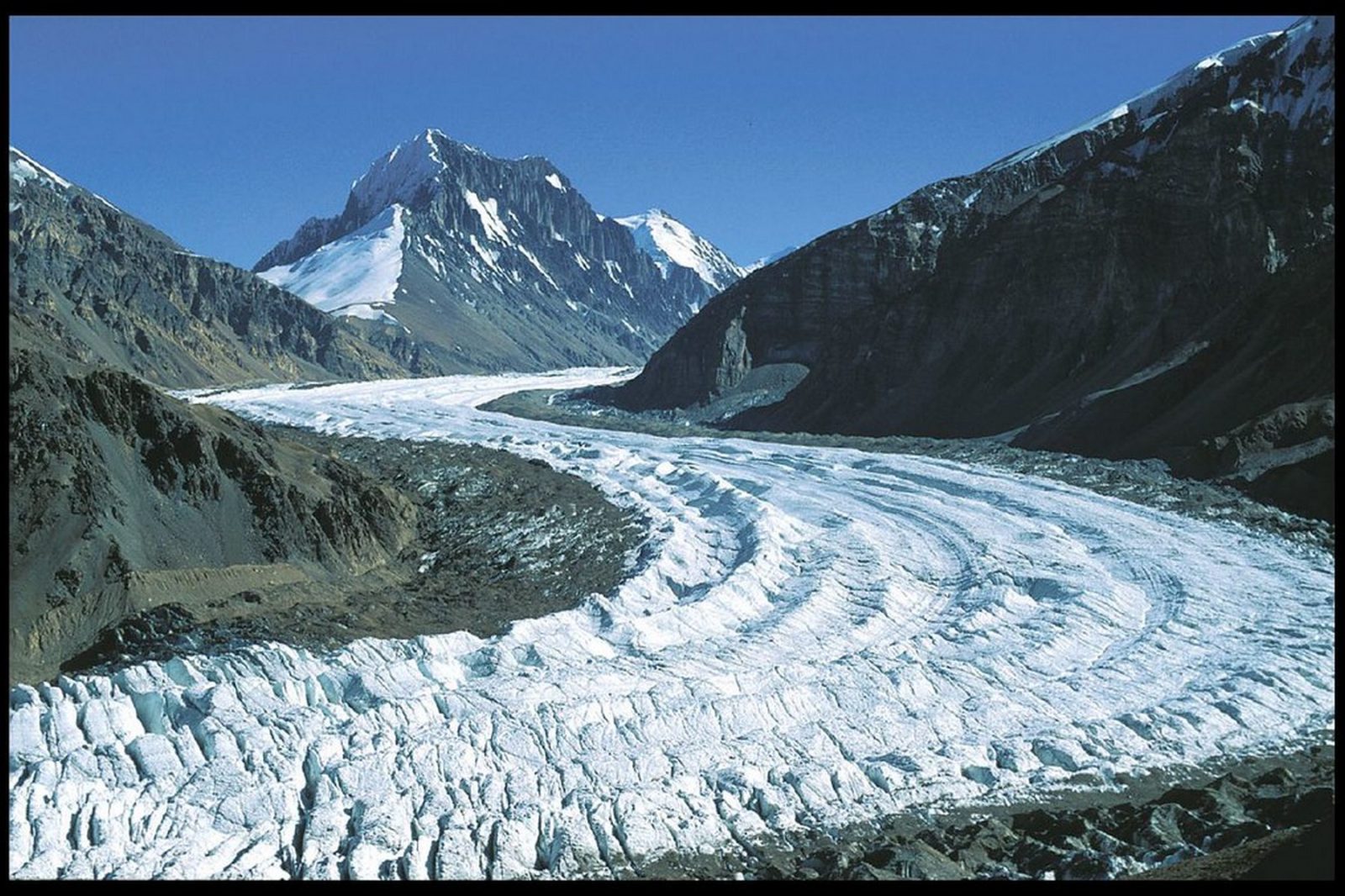
Changing glacier conditions directly impact Central Asia’s water resources, and this is one of the most pressing and systemic challenges facing the region today. Key waterways such as the Amu Darya and Syr Darya rivers rely heavily on glacier flow. Depending on the season, glacial runoff can account for 30 to 60% of their total volume, making glaciers not just a natural reservoir, but a strategic source of fresh water for millions of people. During the initial stages of climate change, accelerated glacier melting does create the illusion of water abundance: increased river inflows, rising reservoir levels, and temporarily improved agricultural and energy supplies. However, this effect is short-lived and deceptive. As glaciers shrink, their ability to store and gradually release water diminishes, and at a certain point, the reverse process begins—a steady decline in runoff. It is this transition from “surplus” to “deficit” that poses the greatest threat. Changing seasonality adds further complexity. While active glacier melt previously occurred over approximately 2–2.5 months, today this period extends to 3–3.5 months. This means that water begins to flow earlier and is distributed more unevenly. As a result, traditional water use cycles are disrupted, especially in agriculture, where planting, irrigation, and harvesting are strictly regulated. Farmers face a situation where water is not available when needed, and, conversely, there is a shortage during critical periods. Furthermore, interannual instability is increasing: some years can be relatively water-rich due to intense melting, while others experience sharp droughts. This complicates national planning and increases risks to food security, energy, and social stability. Glacier melt is not only an environmental problem but also a factor that is gradually transforming the entire regional water resource system, requiring a reconsideration of water management approaches, the implementation of adaptation strategies, and closer regional cooperation.
— Are there glaciers in Uzbekistan?
— Yes, of course. Although the majority of glaciers are concentrated in Kyrgyzstan and Tajikistan, Uzbekistan also has some, particularly in the Pskem basin. We conducted expeditions there and recorded the same degradation processes. Moreover, air temperatures as high as 19°C were recorded at the glacier’s tongue. This is extremely high for such altitudes. The problem is that most weather stations are located below the glaciers, so data is scarce.
How is climate change affecting people’s lives?
The impact of climate change and glacier degradation on people’s lives in the region is already being felt at the level of specific farms, and these aren’t just abstract forecasts, but an everyday reality. In the Pskem Valley , farmers and beekeepers are directly observing changes that seemed unnoticeable just a few years ago. One striking example is the shortening of the flowering period of honey plants. Previously, the natural cycle was more stable, with the spring and summer seasons providing approximately two full months of flowering, during which bees could collect sufficient nectar. Today, this period has significantly shortened. After a short spring, heat and drought set in more quickly, and plants finish flowering earlier or fail to accumulate the necessary biomass at all. As a result, beekeepers are faced with the need to supplement bees with sugar to maintain their colonies. This has several consequences. This means that honey quality is declining, as it is partially formed not from nectar but from artificial feed. The volume of natural produce is declining, apiary maintenance costs are rising, and farmers’ incomes are falling, especially those focused on organic farming. A similar situation is observed with pastures. Due to rising temperatures and changing precipitation patterns, grass cover burns faster, and ecosystem restoration is slowed. Pastures are degrading, their productivity is declining, and, most importantly, their period of use is shortening. Whereas cattle could previously be grazed for long periods without significant pressure on the land, now this period is becoming shorter, and pressure on the remaining plots is increasing. This leads to a chain reaction. The forage supply for livestock deteriorates, animal weight gain declines, costs for supplementary feed increase, and the profitability of livestock farming falls. Ultimately, all these changes are directly reflected in the market. Reduced production and rising costs lead to higher prices for produce, meat, honey, and other natural products.
— Are there effective ways to preserve glaciers?
— Completely stopping their melting is impossible because global climate change is the key factor. But we can reduce the anthropogenic impact. We should avoid deforestation, control resource extraction, reduce pollution, and regulate tourism. For example, mass tourism in the mountains leads to the accumulation of trash, which eventually ends up in glacial waters. This accelerates degradation. Legislative measures, emission control, corporate responsibility, and environmental regulation are also important.
— What do you think about artificial glaciers?
— They’re an interesting adaptation measure. For example, in India, there are already successful projects creating so-called “ice stupas.” There are similar initiatives in Kyrgyzstan, too. But it’s important to understand that these aren’t a replacement for natural glaciers. They can help locally in individual villages, but they don’t solve the problem on a regional scale. Furthermore, their effectiveness is highly dependent on climate conditions, and they’re quite expensive for farmers. The main priority is preserving natural glaciers.
— What risks await us in the future?
— If current trends continue, we could face climate migration in 25–40 years. This is no longer a hypothesis, but a very real scenario: water shortages, declining crop yields, rising prices, social conflicts. Therefore, action is needed now at the political, scientific, and societal levels.
— You’re one of the few female glycobiologists in the region. What challenges have you faced?
— Serious ones. When I started out, the scientific community was male-dominated, and I simply wasn’t trusted. My data was questioned, I wasn’t sent to conferences, wasn’t allowed to give public presentations, or even interviews. Sometimes I felt like I simply “didn’t exist” in the professional field. But I continued to work, relying on my fieldwork.
— What helped you continue your journey?
— International experience. In Germany, where I studied, I was supported. They value an interdisciplinary approach. They told me, “We need you because you know how to work with local communities.” It was a completely different attitude. And I realized that science shouldn’t just be academic but also useful to people.
— What’s the main message you’d like to convey?
— The main message that resonates especially clearly today. Glaciers aren’t a distant and abstract topic for scientists, but the foundation of our daily lives. They’re our water, our food, our energy, and, ultimately, our security. The sustainability of entire regions, including Central Asia, directly depends on their condition. When we talk about melting glaciers, we’re not just talking about mountains and remote ecosystems. This means a change in the water balance, which affects field irrigation, food production, and access to drinking water. This affects food prices, employment in agriculture, and the stability of millions of people’s lives. In other words, climate change has already become part of our economic, social, and personal reality. It’s also important to understand that, despite the global scale of the problem, every person’s contribution matters. A responsible approach to water, its conservation in everyday life, and rational use help reduce the burden on resources. Avoiding environmental pollution, respecting nature, supporting environmental initiatives, and conscious consumption are all tangible steps that shape a shared culture of sustainable development. Moreover, personal responsibility manifests itself in the products we buy, how we manage resources, and whether we support initiatives aimed at preserving nature. These decisions accumulate and ultimately shape public demand for environmental policies and sustainable practices. Climate change is not only a global challenge for states and international organizations but also an area of personal responsibility for each individual. It is the combination of these individual and systemic levels that determines whether we will be able to adapt to new conditions and preserve natural resources for future generations.
Interviewed by Nargis Kosimova
Google machine translated