

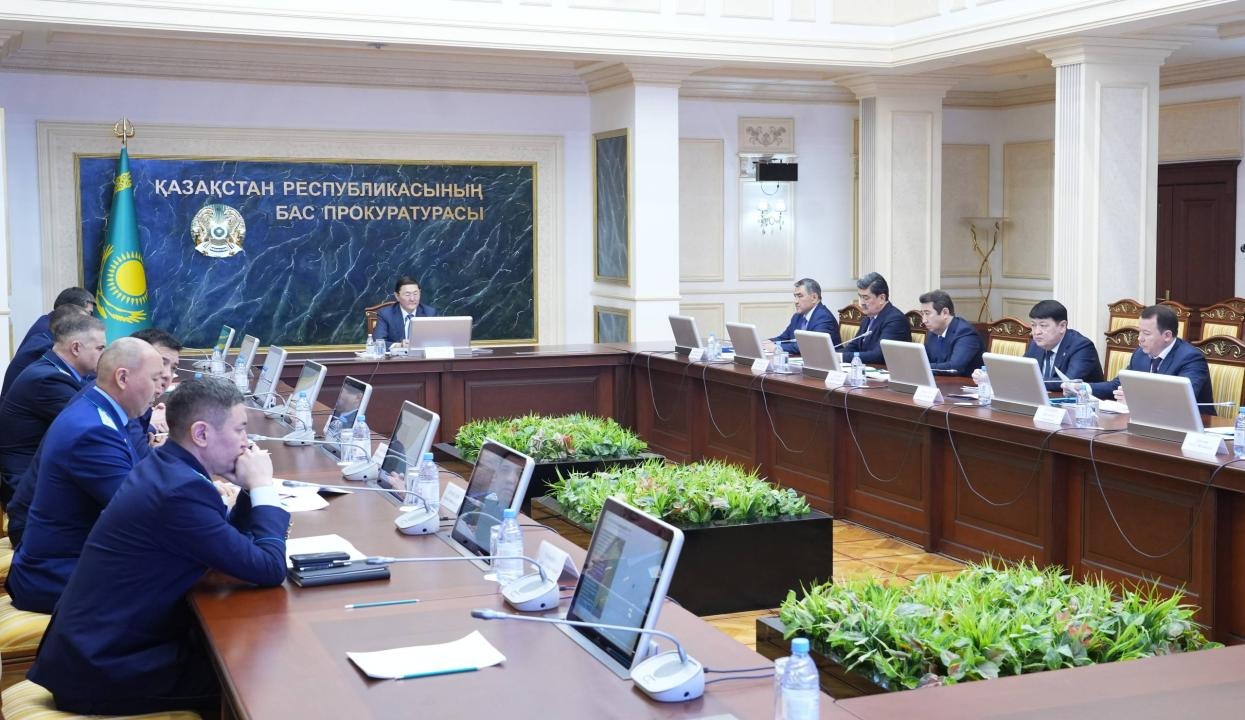
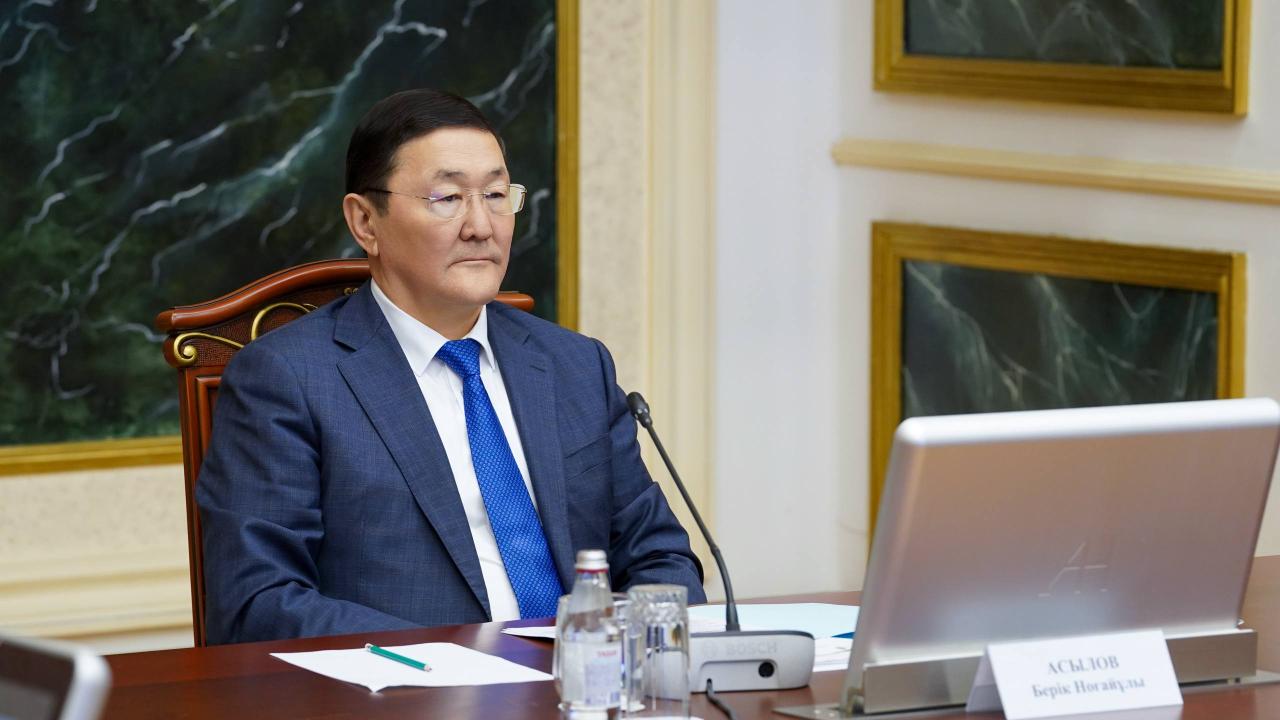
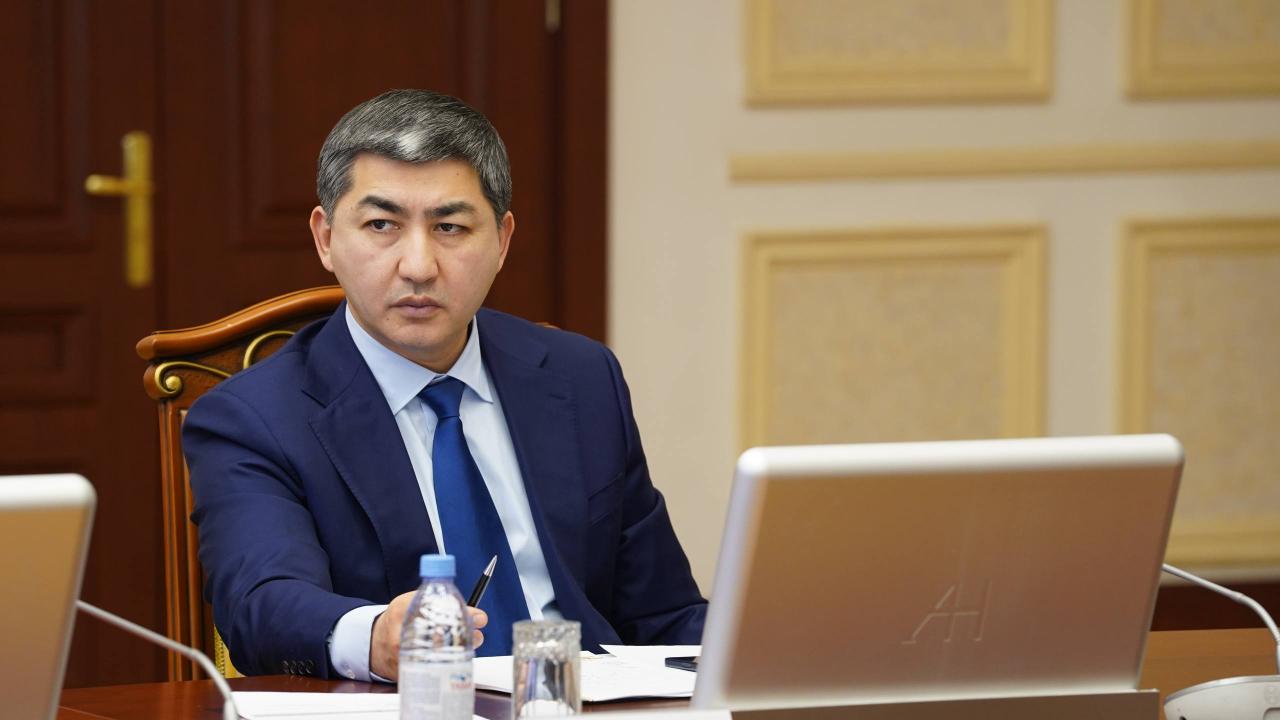
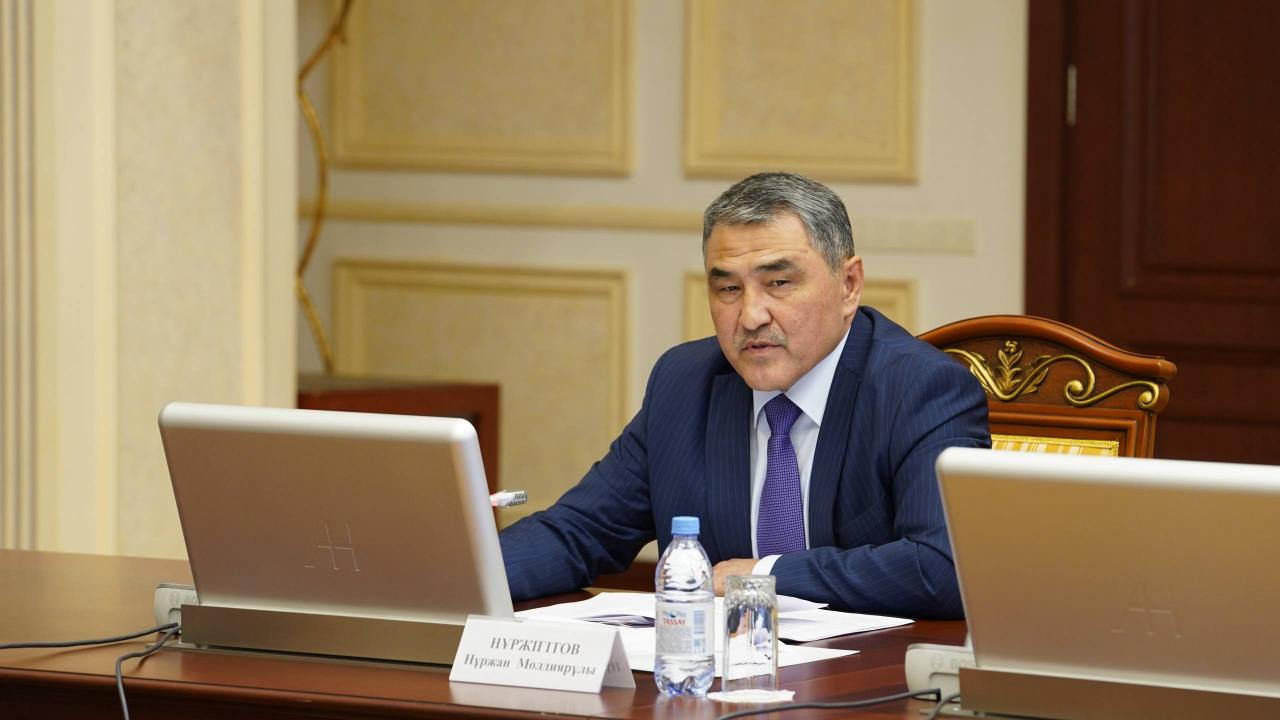
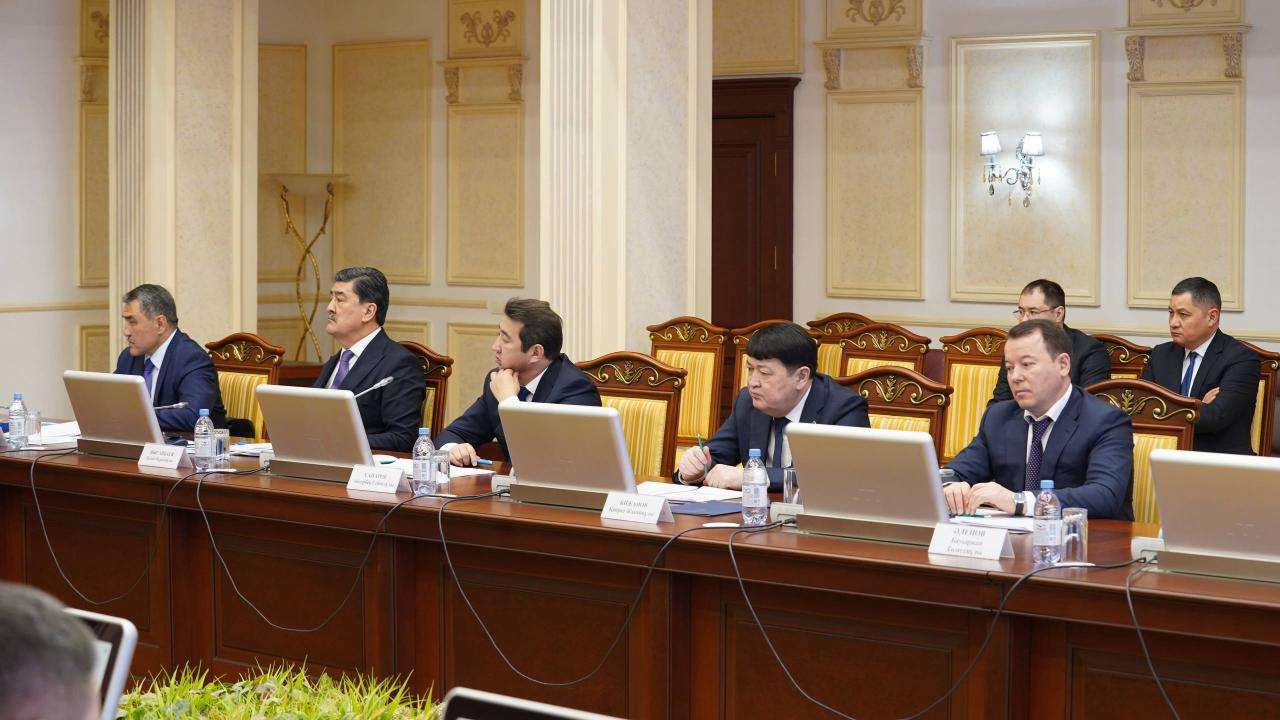
Kazakhstan is strengthening oversight of water use, a resource increasingly viewed as a matter of national security. An interagency meeting on water resource management issues was held under the chairmanship of Prosecutor General Berik Asylov. Representatives from relevant ministries and law enforcement agencies participated in the discussion, reports DKNews.kz .
The tone of the meeting was firm and extremely pragmatic. In the face of growing water shortages, the government intends to move from ad hoc solutions to systemic management—transparent, fair, and cost-conscious.
Why the water issue has become critical
As noted at the meeting, water today is not only a public resource but also a key factor in food and social stability. This problem is particularly acute in agriculture, where access to water directly determines crop yields and farmers’ incomes.
At the same time, regulatory authorities are recording alarming facts: unauthorized water intake, illegal installation of pumping equipment, and the sale of water at arbitrary rates, especially during the growing season. As a result, conscientious water users find themselves in an unequal position, and the water distribution system itself is effectively collapsing.
Shadow water and arbitrary rules
It was emphasized that illegal water trafficking has ceased to be an isolated incident and has become a systemic problem. When access to resources is determined not by rules but by informal agreements, farmers and rural areas suffer the most.
The meeting participants agreed that the situation cannot be changed without comprehensive measures.
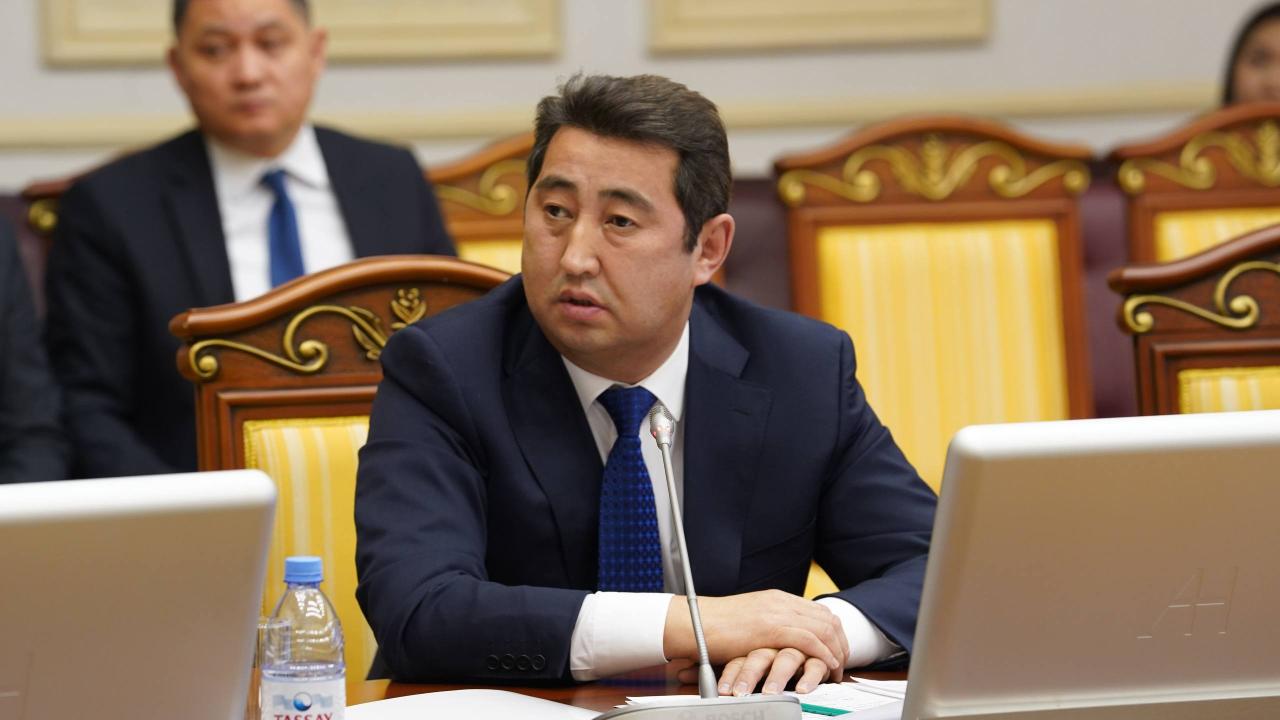
Roadmap: From Audit to Satellite Monitoring
In pursuance of the Head of State’s directive, a Roadmap has been developed that covers several key areas. These include a water resource audit, the creation of risk zone maps, a review of funds allocated for water infrastructure development, and the implementation of water-saving irrigation technologies.
Particular emphasis is placed on combating corruption and shadow financial schemes that have plagued the water sector for years. The goal is to ensure that every cubic meter of water is accounted for and used for its intended purpose.
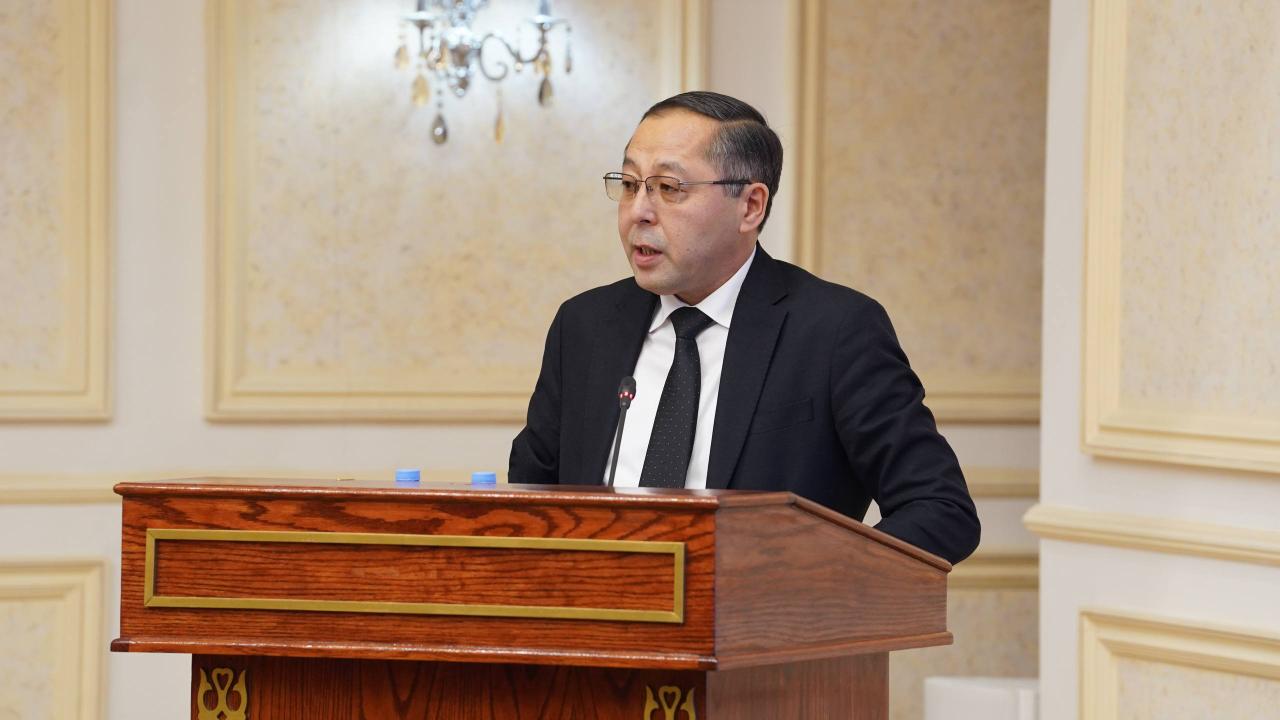
Focus on farmers and sustainable consumption
Protecting the interests of agricultural producers is identified as a key priority. This means ensuring fair access to water without administrative pressure or “gray” mechanisms.
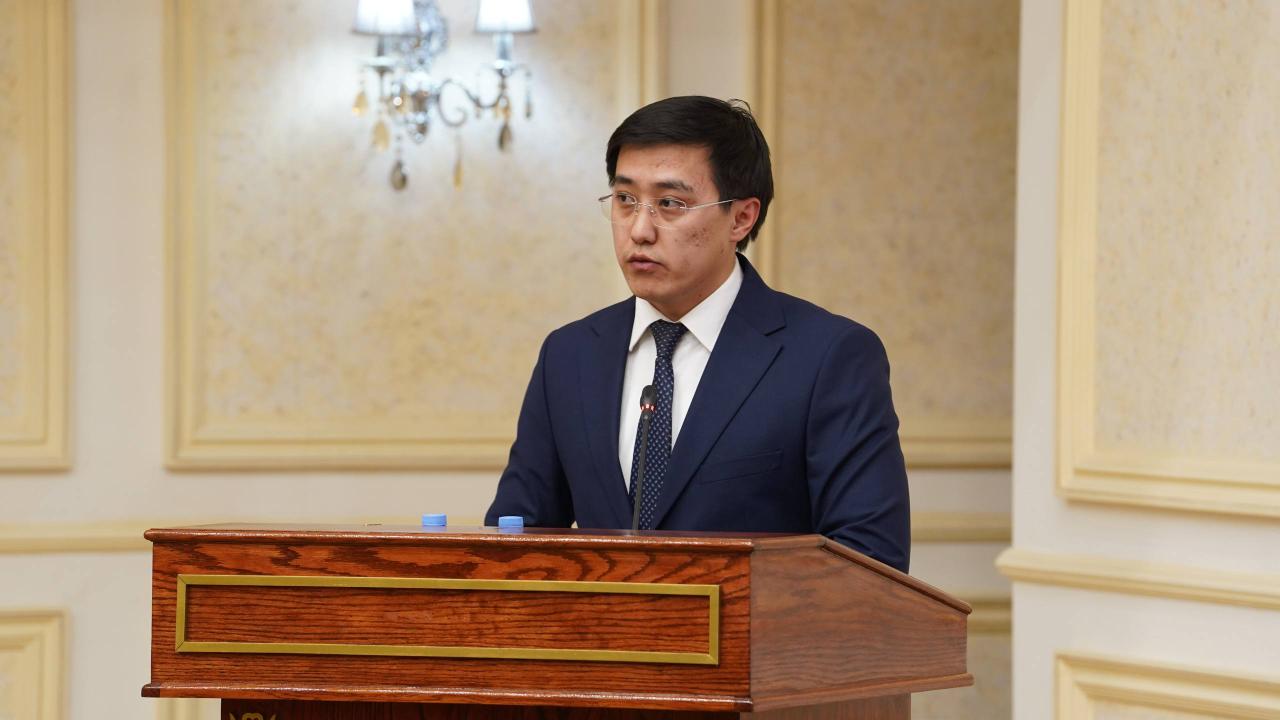
Government agencies have been instructed to develop digital water resource accounting, implement satellite monitoring of water use, and plan planting areas and crop selection based on established water limits. The main goal is not simply to allocate water, but to learn how to conserve and use it most efficiently.
Flood preparations are under special control
A separate section of the meeting was devoted to preparations for the flood season. Regional prosecutors were instructed to verify the legality and comprehensiveness of flood control measures, as well as the effective use of budget funds.
It was noted that 72 billion tenge was allocated and spent for these purposes in 2025. Now, the task of oversight bodies is to ensure that these funds are actually used to protect people and infrastructure.
What does this mean in practice?
The meeting demonstrated that attitudes toward water in Kazakhstan are changing. From a “default” resource, it is becoming an object of strict accounting and strategic planning. In the face of climate risks and rising consumption, this approach could prove decisive—both for the agricultural sector and for the country’s overall sustainability.
Google machine translated