

On April 14, 2026, a round table on “Ensuring Water Security in Central Asia in the Context of Climate Change” was held at the International Institute of Central Asia (IICA) in Tashkent. It was organized by IICA jointly with the International Water Management Institute (IWMI) in the run-up to the Astana Summit of Heads of State on April 22, 2026.
The event aimed to develop coordinated expert approaches and practical recommendations for ensuring water security in Central Asia in the face of climate change. Representatives from leading think tanks and research institutes, as well as relevant ministries and agencies from Central Asian countries and Afghanistan, participated.

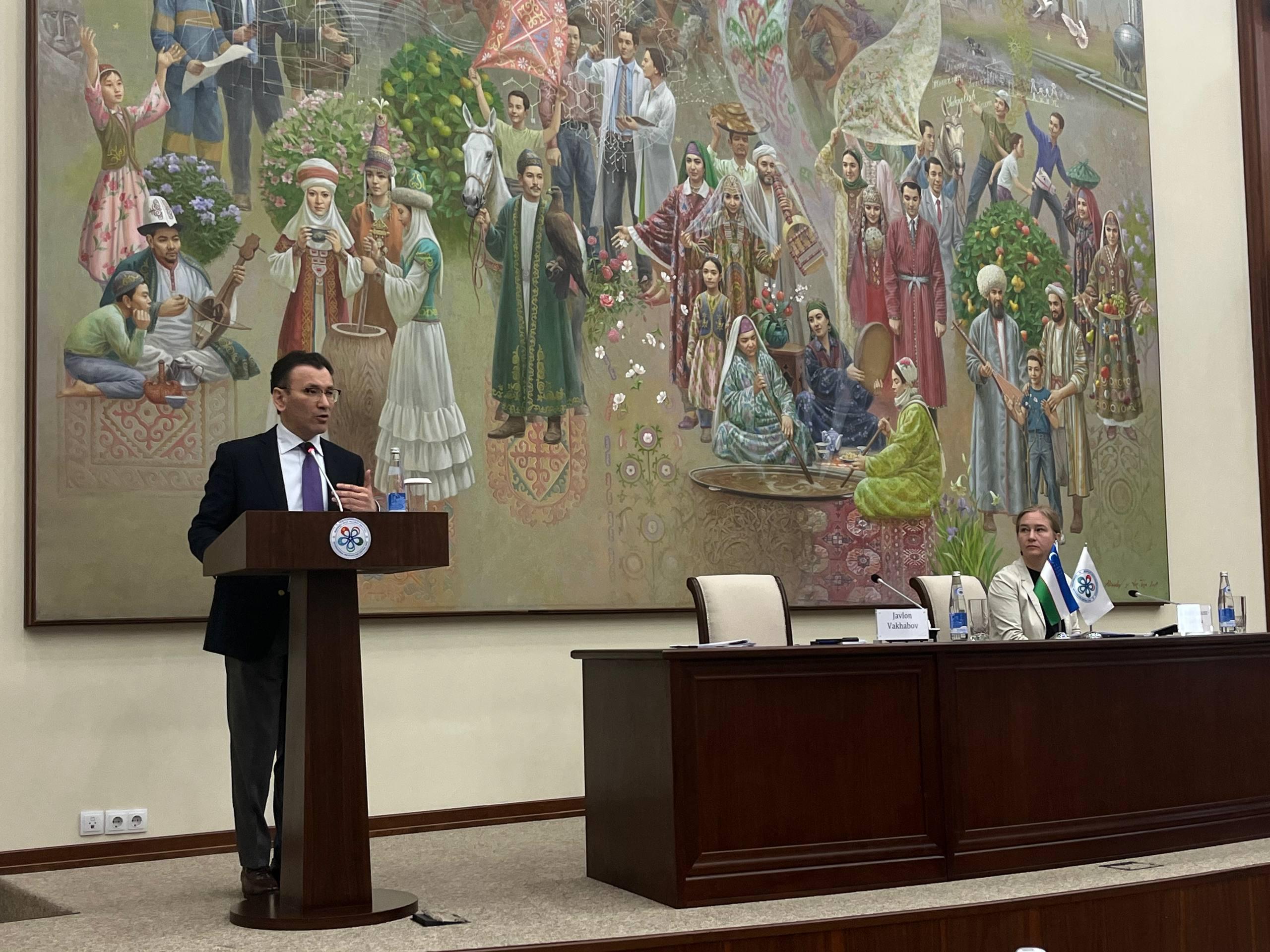
The event program included work in three key areas:
During the session “Priorities for Regional Cooperation on Water Resources in Light of Climate Change,” priorities for regional cooperation were discussed, including rational and sustainable use of water, strengthening institutional interaction, developing joint monitoring and data exchange, as well as integrated adaptation strategies and measures to mitigate the effects of climate change to increase the resilience of the region.

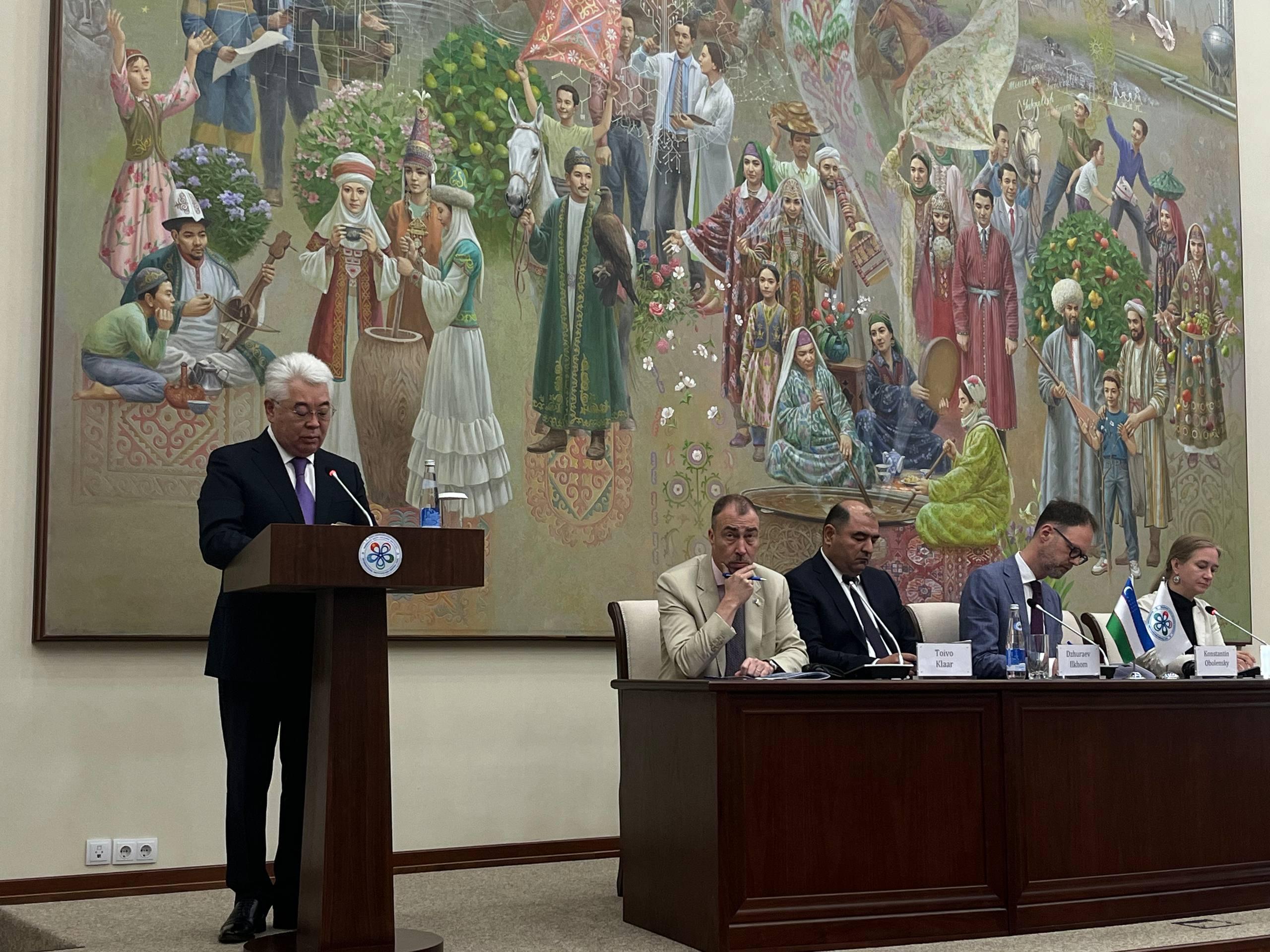
At the session “IFAS as a Regional Cooperation Mechanism Ensuring Stability and Resilience in Central Asia,” participants examined IFAS’s role as a key institutional mechanism for regional cooperation. The discussion focused on improving the Fund’s organizational, legal, and functional framework, developing monitoring and data exchange systems, and enhancing the effectiveness of regional program implementation. Particular attention was paid to the results of Kazakhstan’s chairmanship of IFAS (2024-2026), as well as the priorities for Uzbekistan’s upcoming chairmanship of this organization over the next three years.

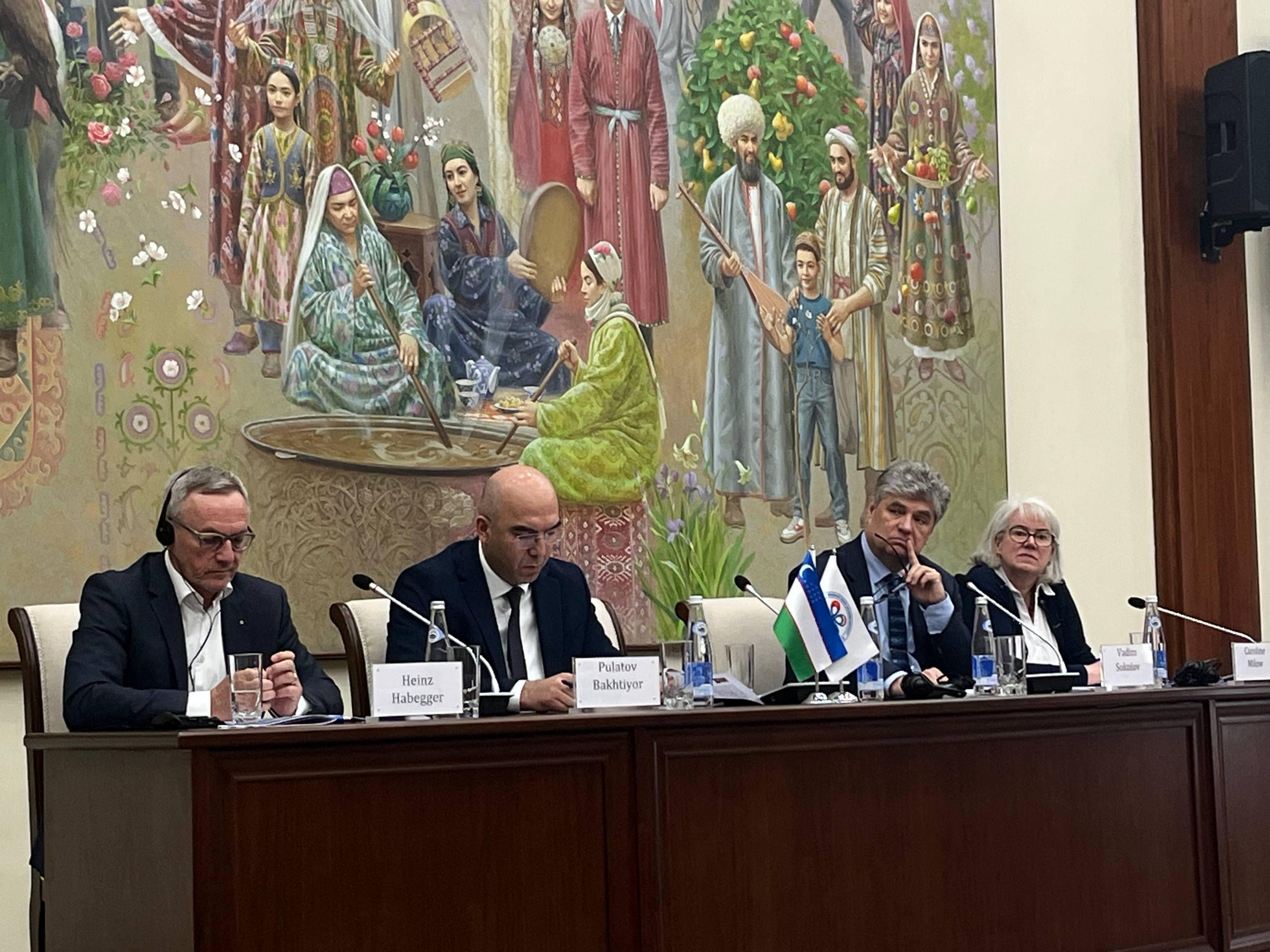
The session “Cooperation between Central Asian Countries and Afghanistan to Ensure Water Security in the Region” focused on approaches to rational water use, taking into account the Afghan factor, as well as environmental responsibility issues in the implementation of transboundary hydrotechnical projects.

Google machine translated