

And is preparing new water projects in Khujand and Kulyab.
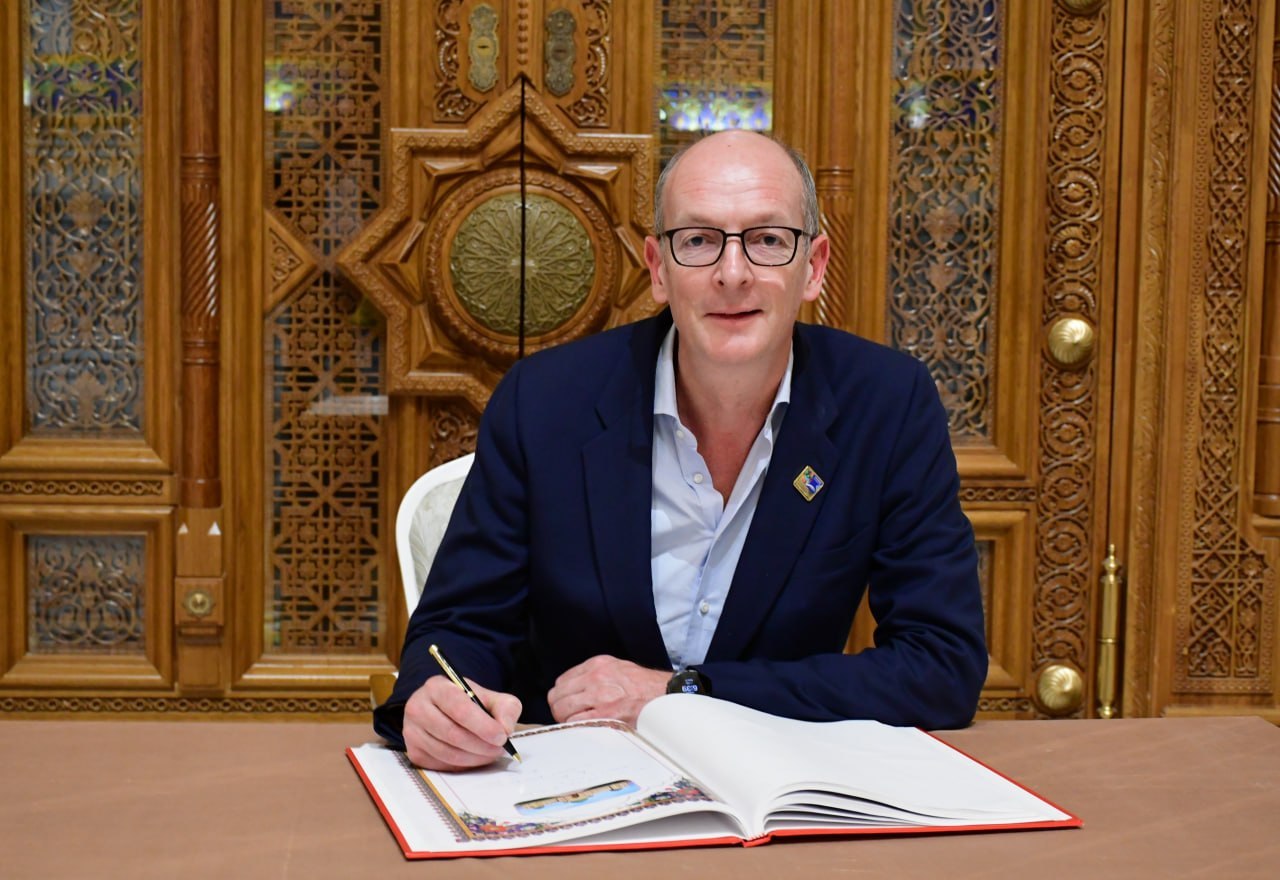
European Bank for Reconstruction and Development Vice President Mark Bowman discusses the bank’s future priorities in Tajikistan’s water sector, including irrigation, tariffs, grants, climate risks, and the role of water in the country’s economy.
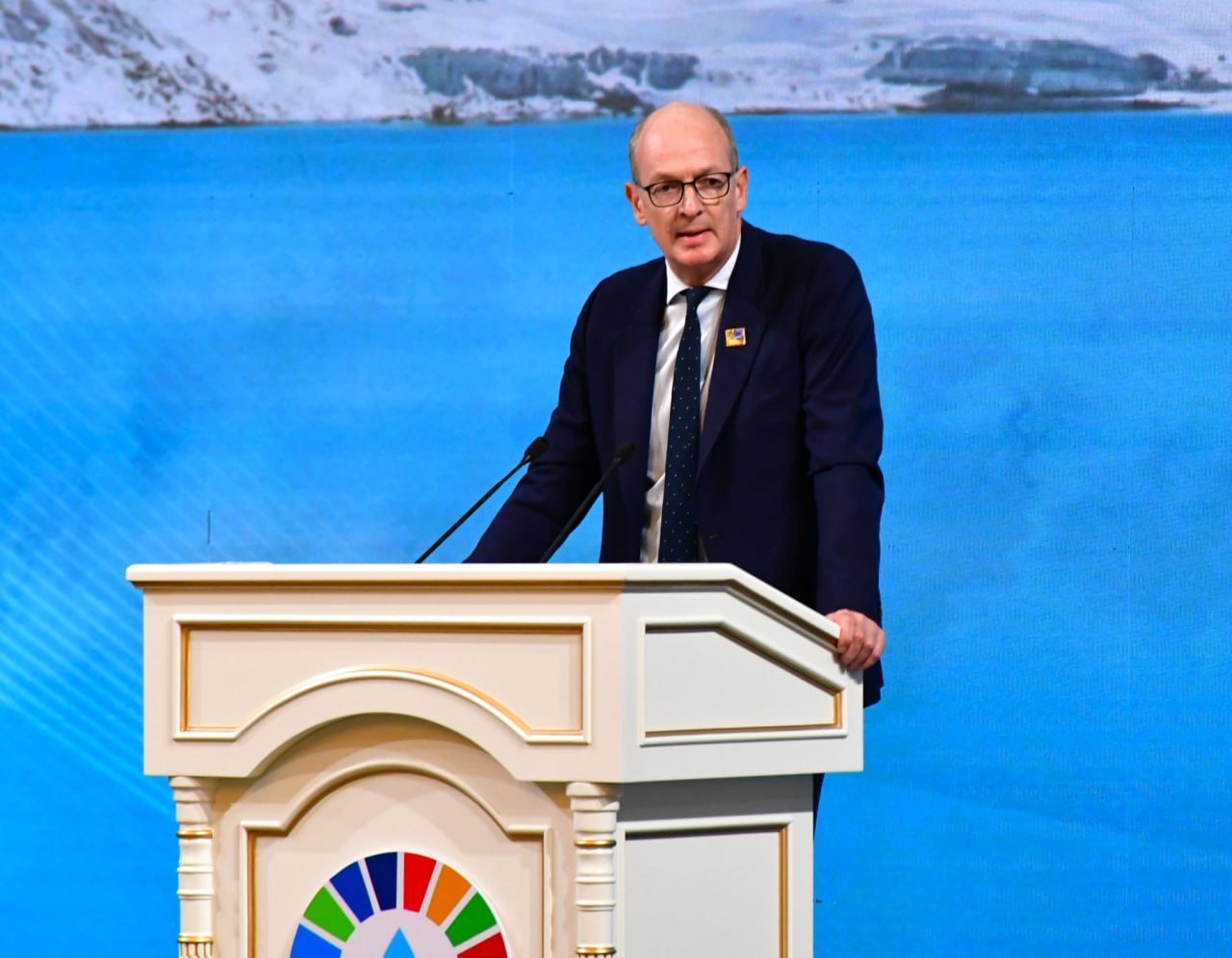
The EBRD has been operating in Tajikistan since the early 1990s and has invested over €1 billion in the country through more than 200 projects. In an interview with Asia-Plus, the bank’s Vice President, Mark Bowman, discussed why water remains a key issue for Tajikistan, what projects are being developed in Khujand and Kulyab, and the bank’s approach to irrigation development, tariffs, grant support, and private sector participation.
— What is the EBRD’s water agenda in Tajikistan up to 2030? What will be the key areas?
The EBRD will continue investing in Tajikistan’s public infrastructure, including water supply, sanitation, and transportation. Demand is growing: the country’s population has grown by approximately 2% per year over the past five years, and many facilities are in need of restoration or modernization.
As part of its 2026–2030 strategy, the bank intends to mitigate environmental and sanitary risks, reduce water losses, implement energy-efficient systems, and strengthen the resilience of utility operators. Particular attention is being paid to irrigation: a feasibility study for a project to reduce water and electricity losses is being prepared.
— In the coming years, will the EBRD focus more on urban water supply systems or rural projects?
“Water supply and wastewater treatment will remain one of our priorities for the next five years. But it’s important to understand that the EBRD is an institution that largely operates based on market demand.”
We have identified priority areas for supporting Tajikistan’s economy, but we cannot yet say exactly which projects will be implemented over the entire five-year period.
If there’s greater demand for urban projects, we’ll focus more on cities. If there’s demand for rural projects, we’ll focus on rural areas. It will likely be a combination of both, to ensure our support reaches a broader national audience.
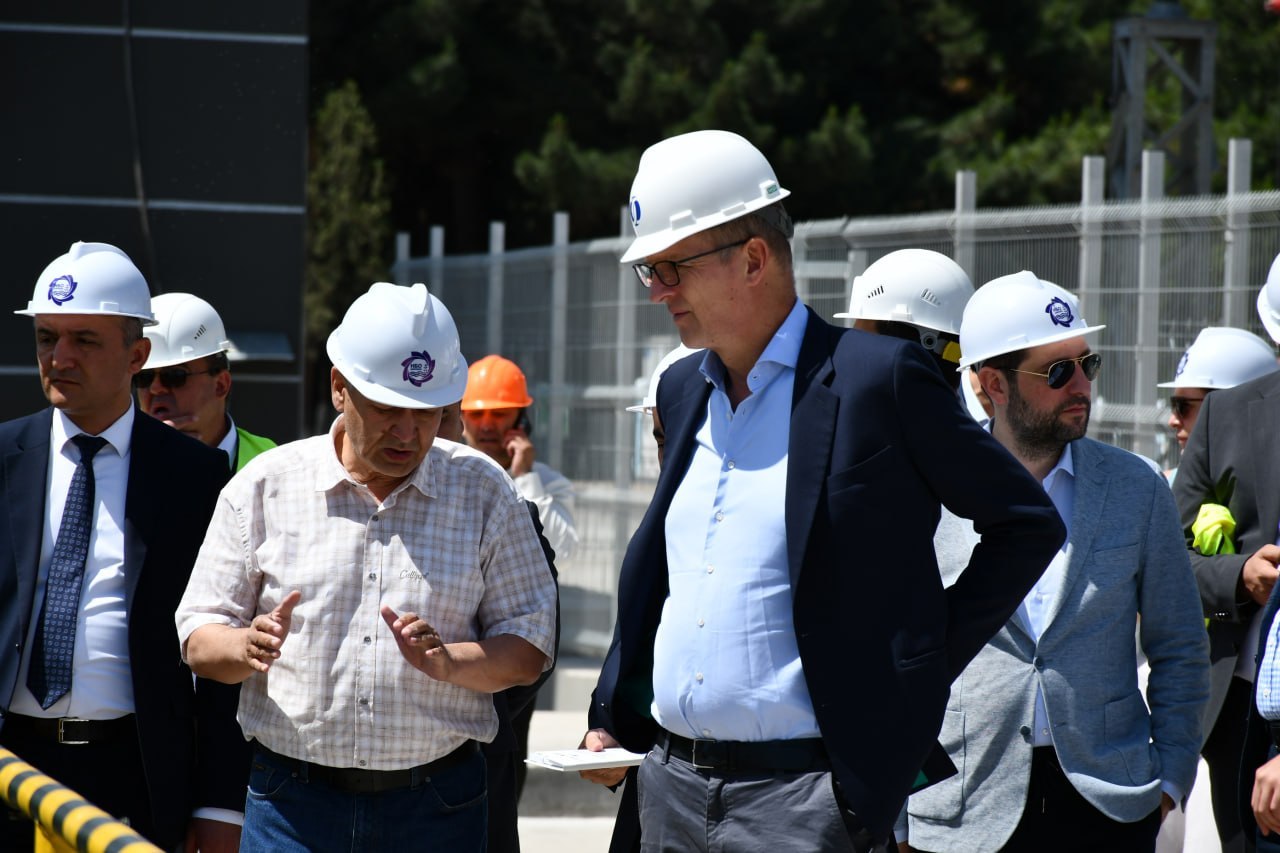
— Could irrigation become a separate major area of focus for the EBRD in Tajikistan?
“We’re already working on an irrigation project. The EBRD has extensive experience in water supply and wastewater treatment projects, and we’re excited to expand our work to include irrigation.”
This sector faces significant challenges: deteriorating infrastructure, the need to repair old systems, and significant potential for efficiency gains. This is an important area for us, but it must be considered alongside Tajikistan’s other priorities.
We have very good and established relations with Tajikistan. We implement projects based on the priorities set by the country’s authorities. Therefore, yes, irrigation is important to us, but at the same time, a balance must be maintained with other development areas.
What water projects is the EBRD preparing?
— What is the scale of the EBRD’s water supply and sanitation projects already implemented, and what will be the next stage?
— The EBRD’s work in the sector began in 2004 with the first municipal project in Khujand.
Since then, the bank has committed €60 million in investments and attracted €80 million in grants from the EU, SECO, and other partners. The projects covered 23 cities and towns through 16 investment projects.
The next stage is based on cooperation with the Ministry of Finance, relevant agencies, Khanty-Mansiysk Metallurgical Plant, the Ministry of Energy, and international partners. The EBRD promotes not only infrastructure but also innovation: climate-resilient solutions, glacier monitoring, and technologies that help adapt to climate change.
— What new projects is the EBRD currently considering in Tajikistan?
Several projects are in development. In Khujand, the EBRD is preparing a wastewater management project—the fourth in the city since 2004. It includes the rehabilitation of the sewer network and the modernization of treatment facilities. It will also serve as the kickoff project for the Green City Action Plan, making Khujand the second Green City municipality in Tajikistan.
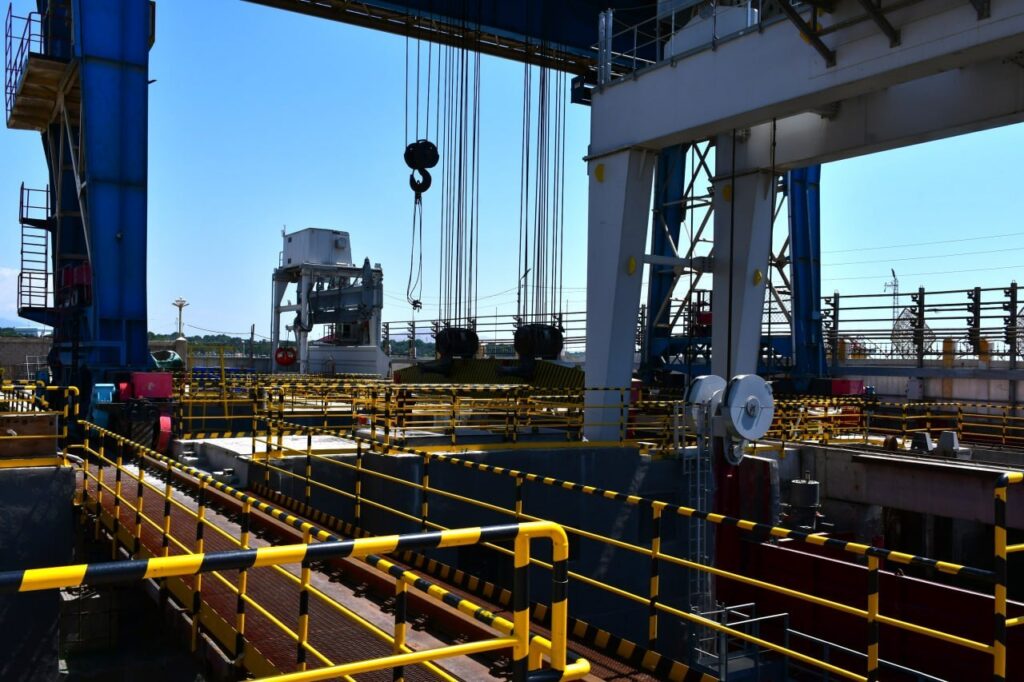
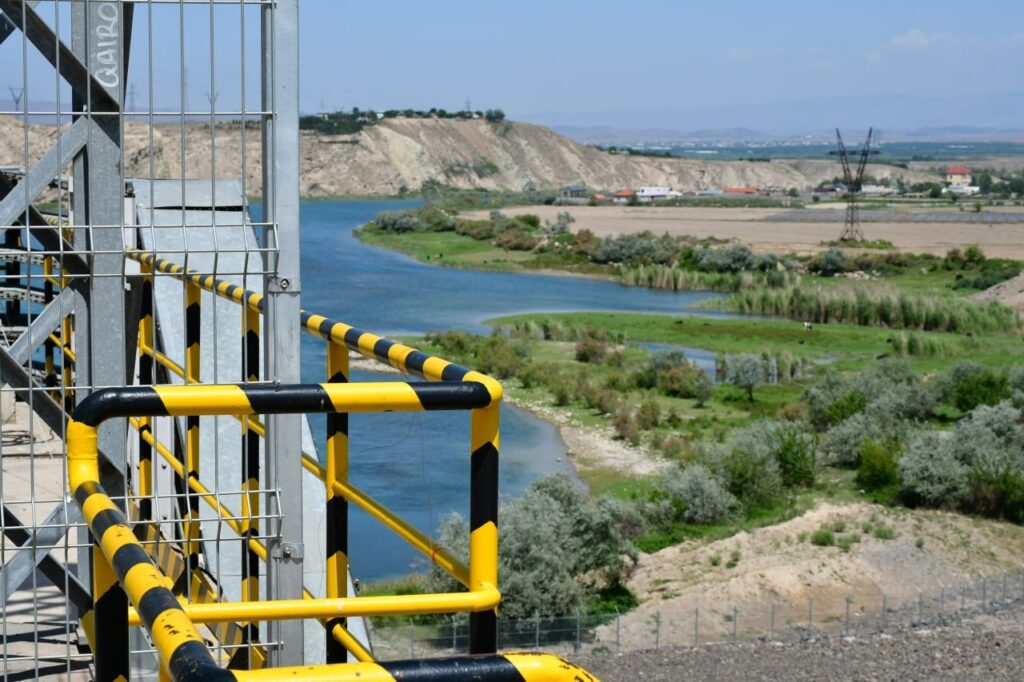
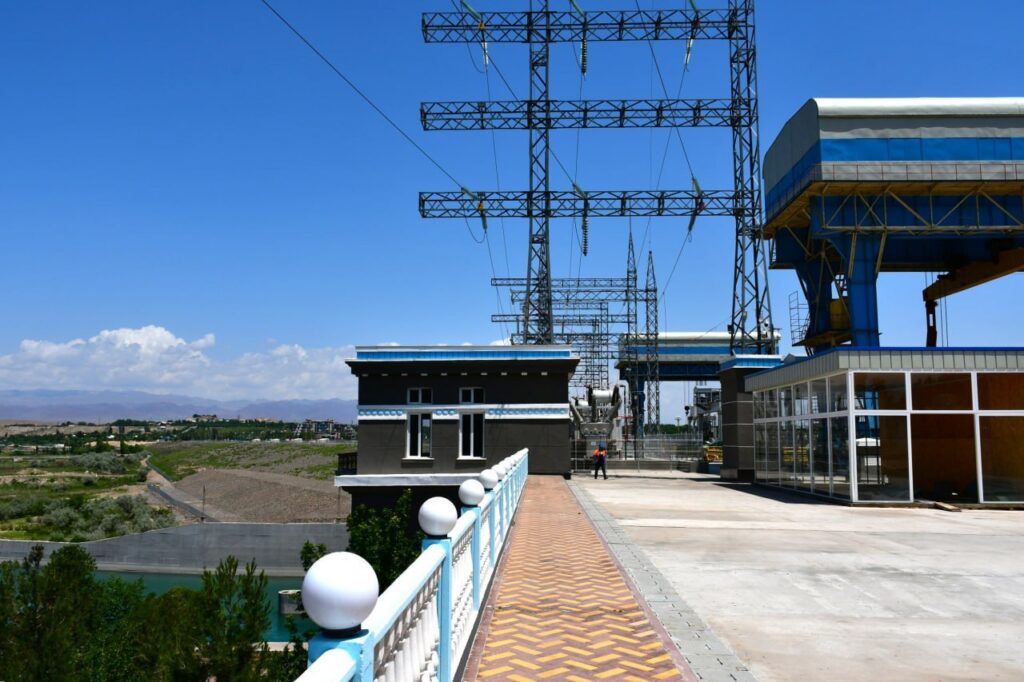
In Kulyab, the bank is working to improve the water supply to ensure a reliable supply of drinking water. Preliminary discussions are also underway regarding potential infrastructure investments in other cities. It is important that the new infrastructure be operationally and financially sustainable.
— What technologies is the bank ready to support: digital metering, water loss reduction, energy-efficient pumps and treatment facilities?
— In all our projects, sustainability is a common thread that runs through everything we do.
In the irrigation project I mentioned, we plan to install energy-efficient equipment, including pumps. This could be a game-changer, as electricity accounts for two-thirds of operating and maintenance costs. By reducing this burden, we will significantly improve the lives of households and communities dependent on this infrastructure.
Reducing water losses remains a key objective in our current water projects. For example, in Khujand and Kulyab, we aim to implement more environmentally friendly wastewater treatment processes through specific investment components. These components must be agreed upon with our key partners before the financial agreements are signed.
This isn’t just a technical upgrade. This work reflects a broader commitment to creating infrastructure that’s not only functional, but also efficient, sustainable, and fit for the long term.
Water, energy and business: what the EBRD is ready to focus on
— How does the EBRD view the financing of water projects: tariffs, grants, loans, and private sector participation?
The need for water infrastructure is significant, and it is difficult to cover it with budgetary funds alone. Therefore, the EBRD is considering private sector participation, including PPPs, provided there is a robust legislative and regulatory framework.
Tariffs are a sensitive topic, but proper pricing helps allocate resources rationally; at the same time, it’s essential to protect access to water for everyone, especially vulnerable groups. Approaches to households and industrial consumers must be different.
Donors—the EU, Switzerland, Japan, the Global Environment Facility, and others—play a key role: grants and longer repayment terms complement loans. Metering, digital payments, and education are also needed to reduce losses and use water more efficiently.
— What are the EBRD’s key priorities for cooperation with Tajikistan based on its meetings with the authorities?
During the visit, productive meetings were held with the Deputy Prime Minister, the Ministry of Finance, the National Bank, the Ministry of Energy, and other partners. We discussed current cooperation, ongoing projects, and future areas of work.
The EBRD has a strong partnership with the Tajik authorities, and the Bank’s country strategy is shaped by national priorities.
I would highlight three key areas. The first is water, which remains the country’s top priority.
Second, energy: projects are needed to stabilize networks, improve energy security, and move toward energy independence.
Third, private sector development is essential for economic growth, job creation within the country, and reducing reliance on labor migration. A favorable macroeconomic environment provides the opportunity to more actively support business and economic development.
Read More: https://asiaplus.news/2026/06/01/ebrr-delaet-stavku-na-vodu-energetiku-i-biznes-v-tadzhikistane/
Google machine translated