

A new forest nursery with warm irrigation water is being created on 15 hectares of the former Aral Seabed. The planting material grown there will be optimally adapted to the extreme environment, according to the Ministry of Ecology and Natural Resources.
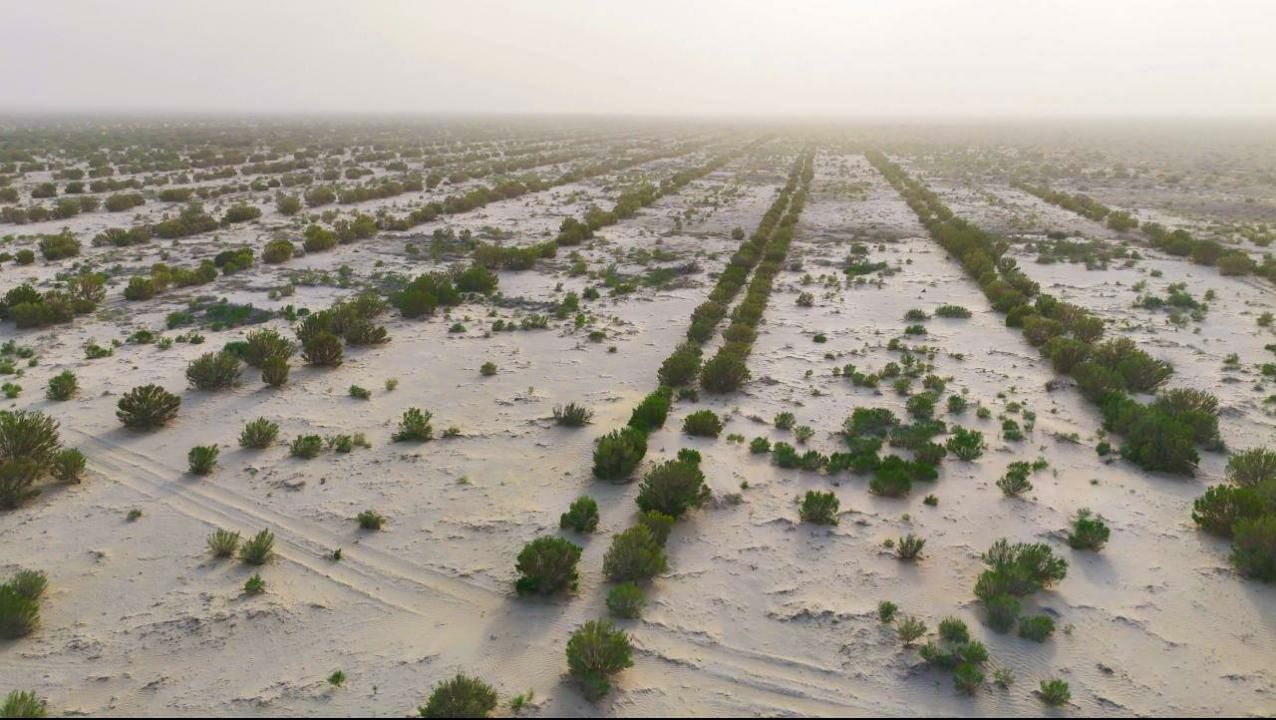
According to the agency, the total area of the dried Aral Sea bed (DASB) currently amounts to approximately 6 million hectares, of which almost half—2.8 million—is in Kazakhstan. Restoring the water level and returning the sea to its original, pristine state is no longer feasible, but environmentalists are conducting large-scale phytomeliorative work to prevent further deterioration.
As is known, President Kassym-Jomart Tokayev has set the goal of creating saxaul plantations on an area of 1.1 million hectares at the ODAM. The main purpose of this green shield is to stabilize the exposed bottom with the plantings, dampen the wind, and thereby prevent the removal of toxic salts, dust, and chemical residues to adjacent regions.
Along with traditional afforestation methods, scientists are using advanced biotechnology to improve the survival rate of trees in the extremely harsh conditions of the Aral Sea region and to lay the technological foundation for the long-term environmental stabilization of the Aral Sea region.
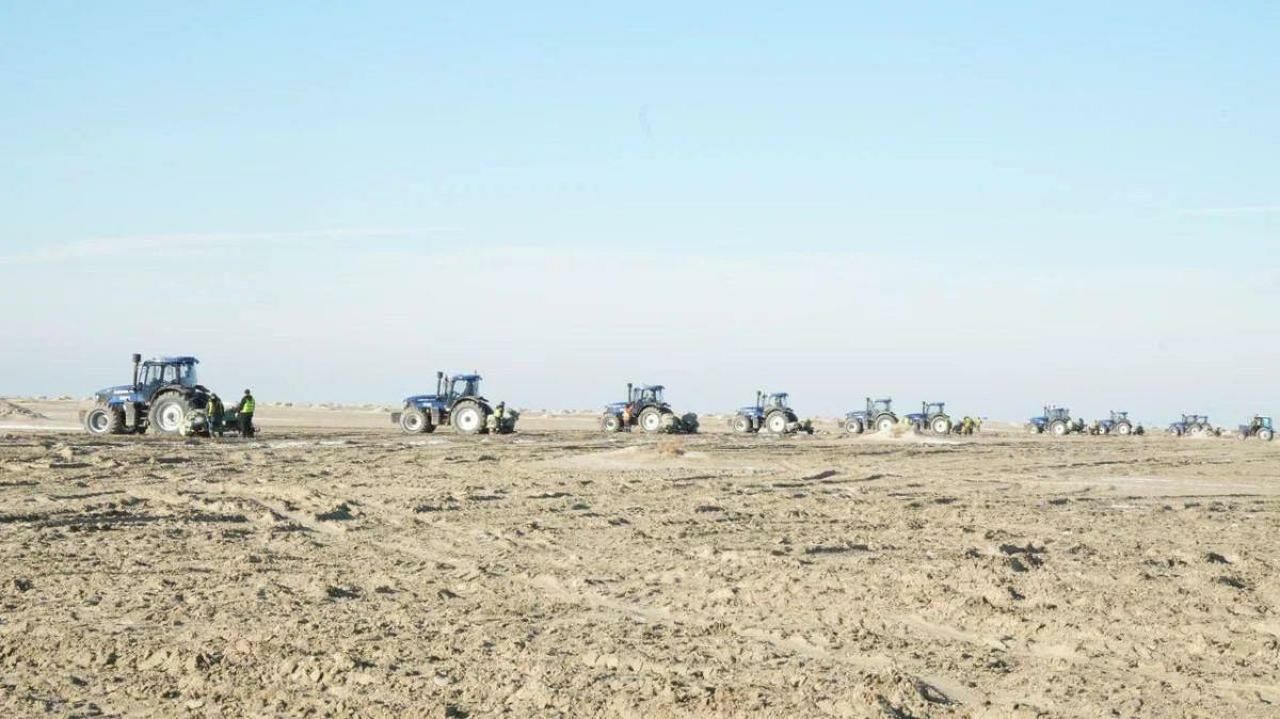
To ensure high-quality planting materials, construction of a large nursery capable of supplying customers with 3 million seedlings per year has been completed in Kazalinsk, Kyzylorda Region.
Meanwhile, a new 15-hectare forest nursery is being created on the dried-out Aral Seabed. Modular containers have already been installed and a 500-meter well has been drilled, supplying up to 8-9 liters of warm (!) water per second. The Ministry of Ecology emphasizes that planting material grown in such conditions will be optimally adapted to the extreme environment.
“To ensure sustainability and protection of the young green space from anthropogenic impact, the Aral Forestry Authority plans to establish a state forest nature reserve, “Aral Ormany,” covering over 1.3 million hectares. Having received the status of a specially protected natural area, this reserve will guarantee the preservation of the man-made biocomplex and continue the systematic restoration of life on the dry bed of the Aral Sea,” the environmental agency said in a statement.
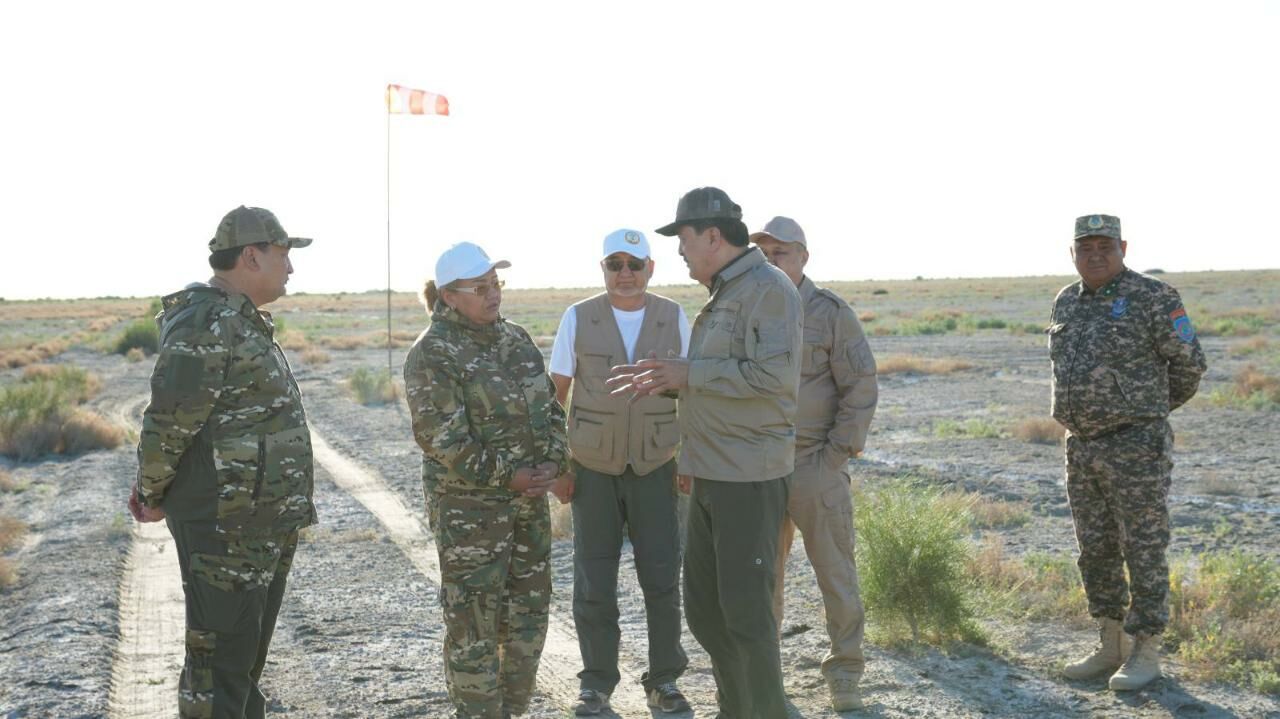
Kazakhstan has accumulated 30 years of unique experience in scientific and practical research in this field, having begun active desert afforestation back in the 1990s. According to the ministry, over three decades, foresters in the Kyzylorda region have created more than 195,000 hectares of protective forests on drained bottoms. Since 2021, forest reclamation projects have covered 1,117,500 hectares, and by 2026, the green space will have increased by another 116,000 hectares.
Foresters sowed 3,440.9 tons of saxaul and halophyte seeds, and manually and mechanically grew and planted 53.2 million saxaul seedlings.
“This man-made forest has already proven its viability: powerful horizontal plant roots up to 12 meters long effectively hold the soil against wind erosion, and a new ecosystem is gradually emerging within the area. Rodents, reptiles, and birds are settling here, soil biota is activating, and natural soil formation processes are underway. You can also spot kulans, goitered gazelles, and tolai hares there,” the statement reads.
At the same time, the Kazakh Research Institute is currently undertaking undercrop sowing of various forage plant species in areas with saxaul plantations. This will subsequently allow the artificially landscaped areas to be used as full-fledged pastures.
The Ministry of Ecology also spoke about the “Green Shield of Central Asia” resolution, signed by Kazakhstan, Kyrgyzstan, Tajikistan, and Uzbekistan at the regional environmental summit on April 22, 2026, in Astana. Under this resolution, protective forest belts will be created along highways in the Kyzylorda and Aktobe regions, the Shalkar-Kandyagash railway, and the afforestation of the Moiynkum massif at the junction of the Zhambyl, Karaganda, and Ulytau regions will be undertaken.
The width of the main lanes will be 100-150 meters, auxiliary lanes – 30-50 meters, and along highways and railways – 100 meters.
In addition, the environmental agency plans to create a green shield on the territory of the former Semipalatinsk nuclear test site.
Leila TASTANOVA, Astana
Google machine translated