

The Decree of the President of the Republic of Uzbekistan No. PP-47 “On additional measures to improve the efficiency of water resource use”, adopted on February 5, 2026, demonstrates a clear strategic focus on sustainability and water conservation as the basis for development.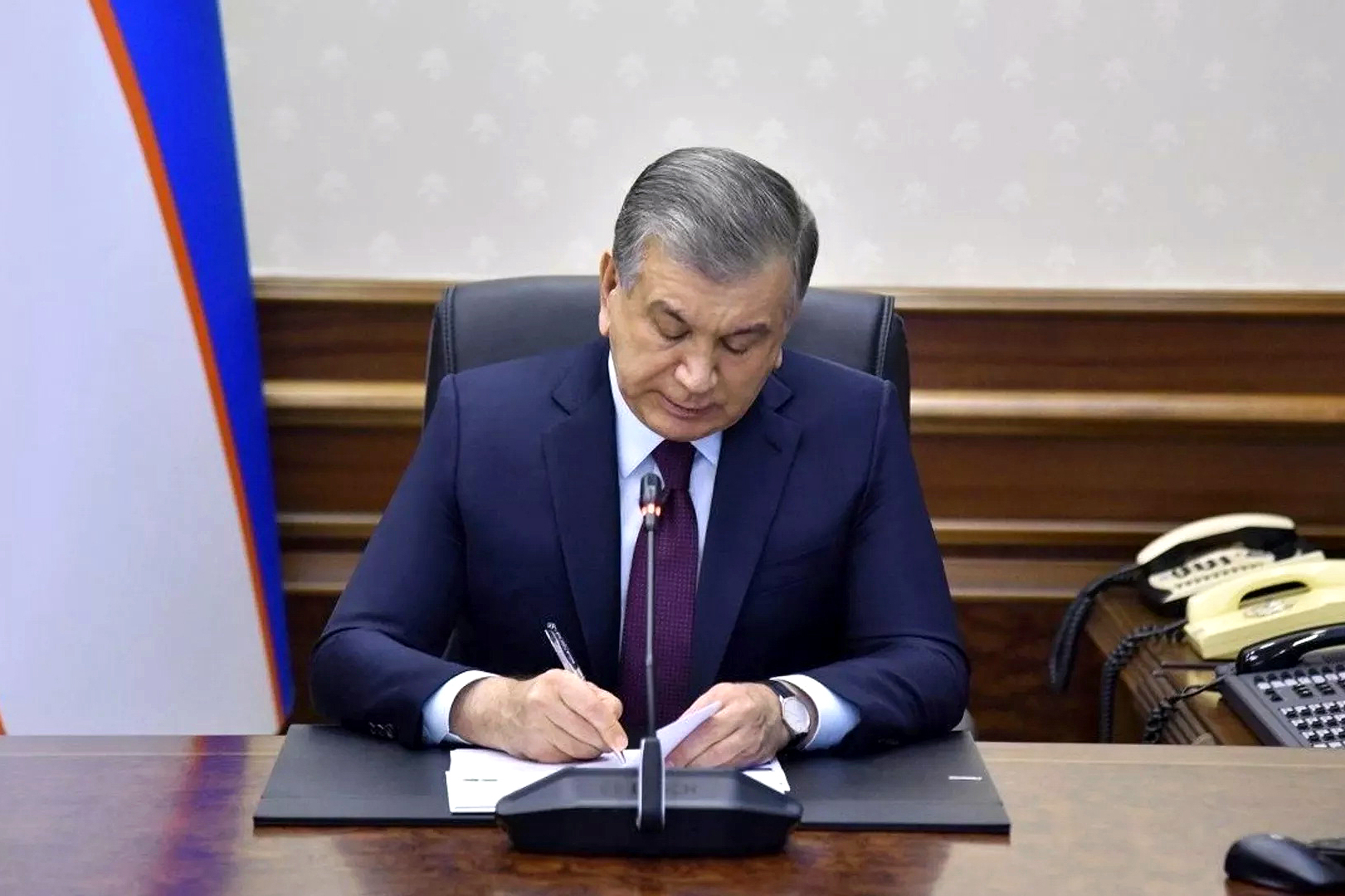
The scale of the tasks is impressive and inspires optimism:
🔹 Ambitious targets. By 2028, the area covered by water-saving technologies is planned to increase to 3.5 million hectares (including 220,000 hectares of drip irrigation, 110,000 hectares of sprinkler irrigation, and 600,000 hectares of laser leveling). This will save up to 5 billion cubic meters of water annually.
🔹 Financing, incentives, and control. It is planned to allocate funds in 2026. loans and 800 billion soums in subsidies. Strict disciplinary measures are being introduced:
2.6 trillion soums
- From April 1, 2026 , financial sanctions will be imposed for traditional irrigation in fields where technology has been implemented according to documentation.
- From October 1, 2026 , new rules: refund of subsidies if equipment is not put into operation within 2 months.
- From 2027 , a differentiated approach will be applied: in water-deficient areas, an increasing coefficient (1.25) will be applied to subsidies, while in areas with sufficient water supply, the lack of technology will entail a double tax rate for water use.
🔹 Digitalization and transparency . The resolution introduces strict digital control. The implementation of GPS trackers and QR codes on equipment, and the integration of data into the Suvnazorat system, are precisely the data-driven management approach we at the Scientific and Research Center of the Interstate Water Commission (SIC ICWC) are promoting. Transparency in water metering is the foundation of trust and efficiency.
🔹 Science and human capital. Technology cannot work without specialists. The document places special emphasis on personnel training, including using advanced experience from Xinjiang (China). Training a new generation of engineers and water specialists at universities (TIIAME) will ensure the long-term sustainability of these reforms.
Implementing these measures requires the combined efforts of the government, science, and water users. We, as part of the expert community, are ready to provide comprehensive analytical and informational support for the implementation of these vital initiatives.
📄 The Resolution can be found here
Google machine translated