

Water shortages and uneven distribution of water resources are the main challenges facing Central Asian countries. This year, Rhythm of Eurasia described the forecast for the growing season, which the region risks facing another water shortage. Addressing this pressing issue and the accompanying energy supply challenges in our region requires assistance, which the Eurasian Development Bank (EDB) is ready to provide.
Specific steps of the credit institution voiced Evgeny Vinokurov, Deputy Chairman of the Bank’s Management Board, clarified that a regional investment portfolio focused on climate and ecology in Central Asia has already been formed and will be further expanded.
This support will remain relevant for a long time. After all, Central Asian countries face serious water shortages every year and struggle with drought. The region is acutely affected by the effects of global climate change. Experts believe that water shortages can hinder economic growth, cause various diseases among the population, increase food security risks, and lead to conflicts over water resources.
The region faces severe limitations and uneven access to improved drinking water sources and sanitation services connected to existing sewer systems. The problem is compounded by the fact that much of the existing water supply and sewerage infrastructure was built before the 1980s and has not been modernized. As a result, the resource system is either in poor condition or completely nonexistent, particularly in rural areas and small towns.
To significantly address this situation, the EDB supported the “Water and Energy Complex of Central Asia” initiative. The project entails practical steps to overcome the critical resource deficit through the improvement and modernization of infrastructure, the use of green technologies, and closer cooperation between countries in the region.
The joint efforts of the EDB and international partners are focused on projects covering water resources management, hydropower development, and energy system synchronization.
Basic principles of the initiative
The initiative’s authors aim to improve water and energy security, optimize water resource use in the face of climate change, and ensure sustainable economic growth. It is aimed at integrating countries in the region. The initiative includes the development of hydroelectric and solar energy, drought risk reduction, and the modernization of hydroelectric power plants. This initiative is vital to preventing a crisis and ensuring sustainable water supplies for a growing population by 2050.
According to Vinokurov, the region expects a 40% jump in electricity demand by 2030, despite much of the infrastructure already being outdated. The bank sees a solution in a “middle path” in the energy transition: a balance between developing renewable energy, upgrading thermal generation, using gas for stabilization, taking into account nuclear energy, strengthening the grid, and supporting industries during the transformation process.
The “Water and Energy Complex of Central Asia” initiative, chosen as the main vector of the EDB’s work, has already attracted investments totaling over $750 million.
Development projects from the Eurasian Development Bank
The Eurasian Development Bank has already implemented a $5.3 million grant project, implemented in partnership with the United Nations Development Programme. Its key objectives include developing a sustainable irrigation ecosystem and establishing a regional cluster specializing in the production of irrigation equipment.
In his commentary on the EDB’s work in the region, the specialist noted, that “the implementation of large-scale green projects requires coordinated efforts among governments, international financial institutions, and climate funds.” Such unifying projects are most effectively implemented in capital-intensive programs in clean energy and sustainable water management.
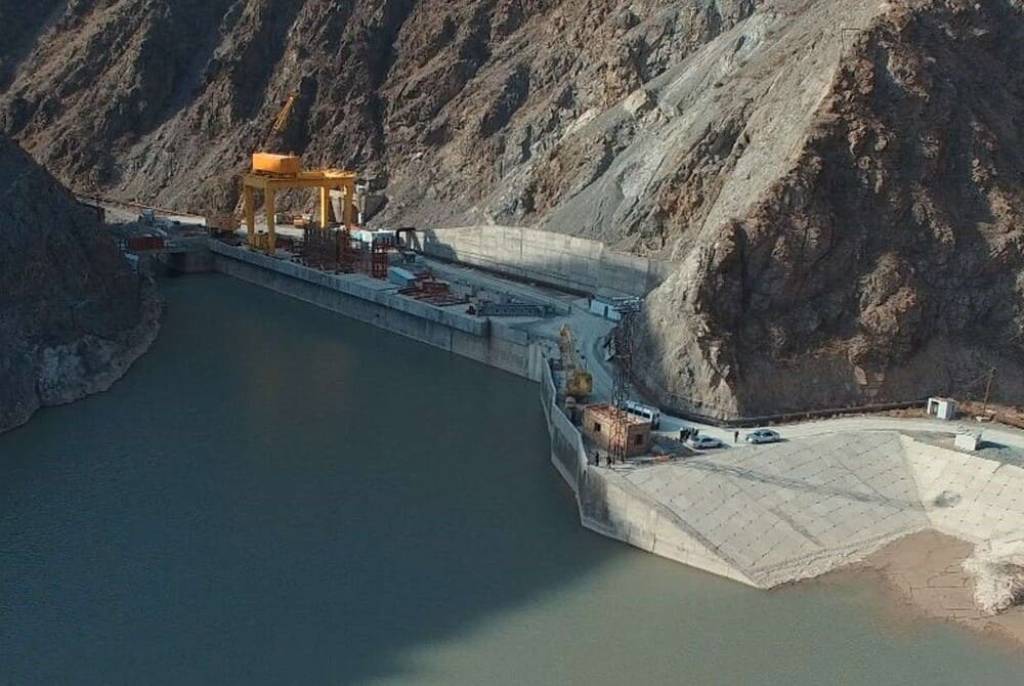
The mega-project of the initiative also includes construction and the operation of the 100 MW Kulanak hydroelectric power station in Kyrgyzstan. The EDB is participating in the project financing format, providing a non-revolving credit line. The social category “A” project is scheduled for 2022-2043.
This project has been given regional and national status due to its scale. The planned Kulanak hydroelectric power plant, with an installed capacity of 100 MW and an average annual electricity output of 435 million kWh, will cover the base portion of the Kyrgyz Republic’s power grid’s electricity load schedule.
The project is fully aligned with the bank’s strategic goals and priorities and aims to improve energy efficiency, modernize, and ensure energy security. Implementation of this initiative will eliminate the electricity shortage in the region, where only one 40 MW hydroelectric power plant currently operates, and significantly improve the energy supply structure, given the high level of depreciation of the country’s existing energy facilities.
Actual achievements of the Eurasian Development Bank over 20 years
In conclusion, let us recall the EDB’s achievements. Over the 20 years of its operation, beginning in 2006, the Eurasian credit regulator has made a significant contribution to ensuring sustainable development, stimulating economic growth, and deepening integration in the Central Asian region. The Bank actively invests in projects aimed at developing infrastructure, supporting the green economy, and addressing social issues, fully aligning with the UN Sustainable Development Goals and ESG principles. The Bank’s total investment volume over two decades has reached nearly $20 billion, covering 326 projects.
The Eurasian Development Bank’s contribution to renewable energy development has grown significantly: over the past seven years, its green portfolio has tripled to $2 billion. About half of these funds have been allocated to renewable energy projects, resulting in the creation of approximately 1.2 GW of new capacity since 2015.
The EDB is actively implementing ambitious projects that form the cornerstone of its 2022–2026 strategy. These initiatives, in addition to the Central Asian Water and Energy Complex project, include the Eurasian Transport Framework and the Eurasian Commodity Distribution Network.
In Central Asia, the EDB prioritizes energy sector modernization, transport infrastructure development, digital solutions, and support for the agricultural sector. These priorities serve the region’s goals of adapting to climate change and ensuring its energy security.
The Central Asian economy is expected to continue to demonstrate high growth rates, with GDP forecast at 6.2% in 2026. The EDB is actively working to reduce risks and attract private capital to environmentally friendly and socially oriented projects, thereby supporting the transition of countries in the region to sustainable economic development.
Prepared by G. Khonnazarov. UzA
Google machine translated