

The Republic can take a leading position in the field of ecotourism in Central Asia by 2030, thanks to its unique natural resources and strategic location.
This is the goal pursued by the Strategy for Tourism Development in the Republic of Tajikistan for the period up to 2030.
The strategy includes the creation of environmentally friendly routes and facilities in natural areas such as the Pamirs and Lake Iskanderkul, the development of mountain tourism in the Fann Mountains, and the protection of natural resources and biodiversity.
It is planned to attract investments to create environmentally friendly tourist facilities and improve infrastructure. An important area is training local residents and improving the skills of personnel to improve the quality of service.
To achieve the goals, it will be necessary to create eco-bases and guesthouses, develop infrastructure, modernize roads and transport networks, attract investments and implement international environmental standards. It is also planned to actively promote the country in international markets through targeted advertising campaigns.
Tourist Tajikistan in 2030
According to the Strategy, in 2030 tourism will provide a significant contribution to GDP, creating jobs both in cities and in remote regions. An important goal will be to attract investment and develop infrastructure – hotels, resorts and transport networks. It is expected to create conditions for the flourishing of folk crafts and tourism in rural areas, which will reduce labor migration.
The Strategy pays special attention to the development of tourism infrastructure, including transport terminals and facilities for sports and ecological tourism. An important step will be the creation and strengthening of the base of the International University of Tourism and the graduation of specialists in this field.
The main objectives of the strategy include improving the quality of service, creating tourism clusters and promoting Tajikistan’s national brand in the international arena. It also provides for measures to improve the safety of tourists and the sustainable use of the country’s natural, historical and cultural resources.
The country’s accessibility for tourists plays a decisive role: the implementation of the Open Skies policy, improving the quality of service at airports and border points will create a positive first impression for tourists and help increase the flow of visitors.
The prospects for ecotourism in Tajikistan, according to forecasts and strategic goals until 2030, look promising. With its unique nature, highlands, lakes, rivers and rare species of animals, Tajikistan has great potential for the development of ecotourism.

The main areas of focus are the creation of environmentally friendly routes through nature reserves such as Khuttalon, the development of mountain tourism in the Fann Mountains and Pamir, and the stimulation of investment in infrastructure, including guesthouses and holiday homes that have a minimal impact on nature.
The benefits of ecotourism for a country include the protection of natural resources, the development of ecotourism routes, attracting investment and training personnel.
Tourist treasures of Gissar and Rasht
Tajikistan has significant potential for the development of ecotourism. Here are some of them.
The Lakhsh region attracts tourists with its natural beauty: petroglyphs, sacred places, glaciers and majestic peaks such as Ismail Somoni and Korzhenevskoy. The region has a National Park with 13 glaciers and 4 high peaks. Lakhsh offers a variety of conditions for tourism – from mountaineering to winter skiing. There are hostels, catering points, and healing springs.
The Surkhob River crosses the Tajikabad district from east to west. Along its banks are other important waterways of the region, such as Shurak, Kairma, Dikhdihi and Tagayak. There are 86 transparent springs and one healing spring in this area, which attract people seeking health and relaxation in an ecologically clean environment.
The natural resources and climate of the Rasht district are ideal for ecotourism, mountaineering and active recreation. Various types of tourism are developing here, including hiking, horseback riding, agroecological tourism and rafting. In addition, the district has a well-developed infrastructure with Internet centers, roadside service points and currency exchange centers.
Nurabad district is actively developing ecotourism, providing opportunities for hiking and horse riding, rafting, fishing and hunting.
The Sangvor region, located in the Khingob River valley, is famous for its natural beauty, cultural monuments and unique opportunities for tourism and ecotourism.
The region is famous for its holy places and cultural monuments, including the mausoleum of Saint Burhi Wali, which attracts pilgrims and tourists from all over the world.
The district has 10 ecologically clean zones, 2 lakes, more than 100 springs, 20 healing springs, as well as 10 parks and gardens that are ideal for recreation and fishing. The district also has 10 hunting areas.
The town of Rogun is attractive to ecotourists, where the Obi Garm sanatorium operates, there is the healing water of Mulloshaikh and other springs.
The Romit Gorge is famous for its clean waters, rare animals and medicinal plants. Among the tourist attractions are the Romit Nature Reserve, the Yavroz, Donish and Kaikhon holiday homes, as well as many ecological zones, recreational facilities and enterprises.
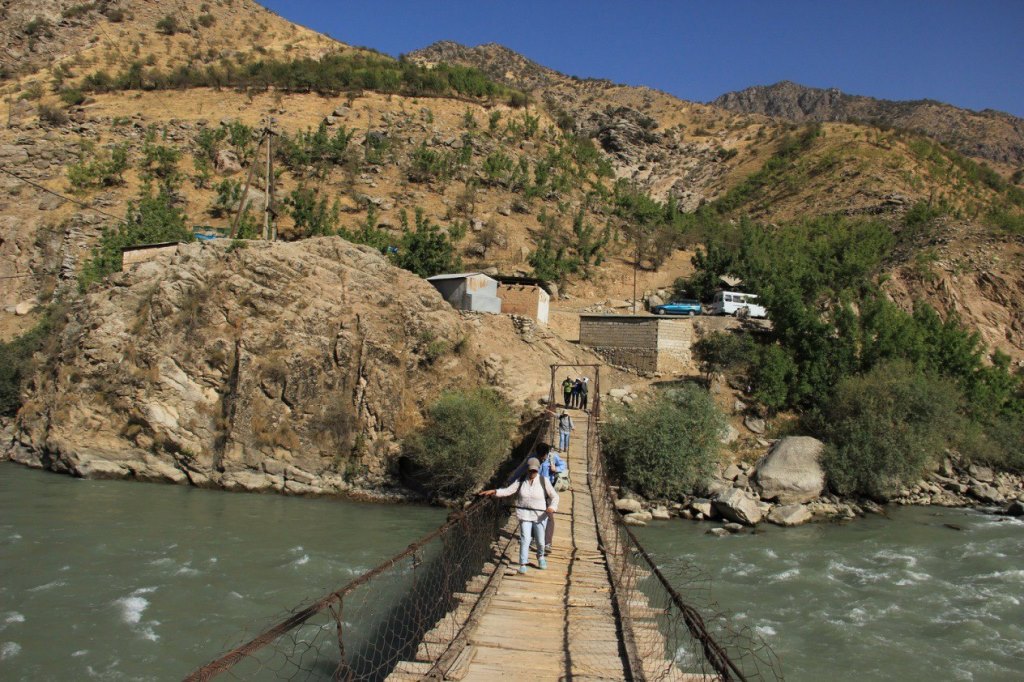
Varzob district is a promising area for tourism development. There are more than 900 registered recreation areas in Varzob, including 65 large and medium-sized resorts. In addition, there are several sanatoriums here.
Other populated areas include: Faizabad, Vahdat, Rudaki district, Gissar, Shakhrinav district and Tursunzade.
What potential does Khatlon hide?
Baljuvon, Muminabad, Nurek, Sarband, Khuroson, Shamsiddin Shokhin and Khovaling are areas that already have potential for ecotourism development. Here you can enjoy picturesque landscapes, clean air and untouched nature.
Homestays, guesthouses and hostels are planned to be built along the Baljuvan-Sari Khosor and Kulyab-Childukhtaron roads, which will provide comfortable accommodation for tourists coming to these areas. This will create favorable conditions for organizing tours to natural attractions, as well as for active recreation such as hiking, cycling and observing flora and fauna.

The development of ecotourism in Khatlon region can become an important source of income for local residents. Involving rural communities in organizing tours, conducting excursions and making souvenirs will help improve their quality of life.
In addition, new jobs related to tourism services, improved infrastructure and access to markets will contribute to the region’s economic growth.
Despite its huge potential, Khatlon Region faces a number of challenges in developing ecotourism. One of them is insufficient infrastructure, including roads, water supply and sewerage, as well as the lack of modern tourist facilities.
Unique opportunities of Badakhshan
GBAO has an incredibly diverse natural environment, including mountain ranges, deep gorges, alpine meadows, lakes and glaciers. One of the most famous sites is the Pamirs, which are considered the “roof of the world”. These natural resources create conditions for various types of ecotourism, such as hiking, mountaineering, camping and nature observation.
One of the striking examples is Lake Sarez, located in the highlands, famous for its unique beauty and ecological value.
The Garmchashma sanatorium in the Ishkashim district is famous for its medicinal waters, which are used for health improvement and disease prevention. This place attracts tourists interested in medical tourism.
The Avj sanatorium offers not only relaxation, but also opportunities for ecological sports, the Bibi Fotimai Zukhro sanatorium is famous for its thermal springs and natural beauty.
The high mountain ranges of the Pamirs are a place for mountaineering and ecotourism enthusiasts, offering incredible views and opportunities for active recreation at an altitude of over 4,000 meters above sea level.
The Pamir glaciers attract tourists interested in glacial ecosystems, as well as climbers who can try their hand at challenging routes.

Despite the huge potential, the development of ecotourism in GBAO faces a number of problems. One of the main ones is the infrastructural isolation of the region. Poor road conditions, lack of modern housing and limited medical infrastructure may discourage potential tourists. To solve these problems, significant investments are needed in infrastructure development, including the construction of eco-roads, improvement of living conditions and medical care.
Pearls of nature of ancient Sogd
The Sughd region has great potential for the development of ecotourism due to its natural wealth.
The Fann Mountains are a popular destination for mountaineers and ecotourists, with breathtaking scenery and unique nature.
Lake Iskanderkul is one of the most beautiful lakes in the world, located in the Fann Mountains. It attracts tourists with its clear waters and picturesque views.
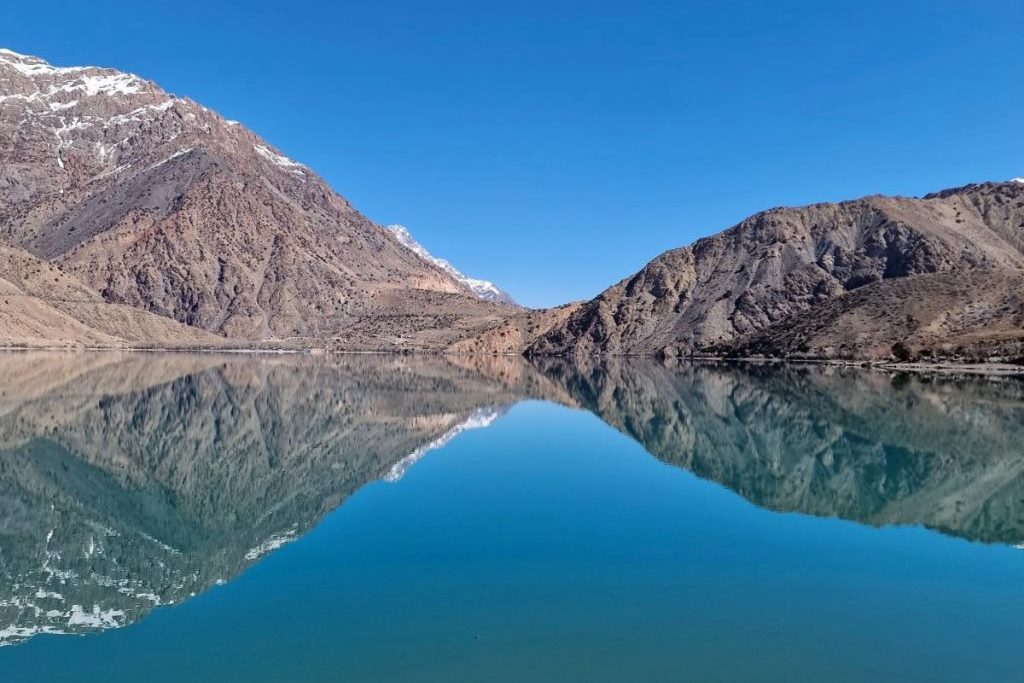
Lake Kulikalon is distinguished by its crystal clear water and unique landscapes.
Lake Haftkul is another picturesque lake in the Fann Mountains.

Kuli Alouddin is a high-mountain lake, which is one of the most picturesque places in the Sughd region.
Kuli Marguzor is a beautiful lake in northern Tajikistan, surrounded by mountains and forests. It is an ideal place for ecological tours and outdoor walks.
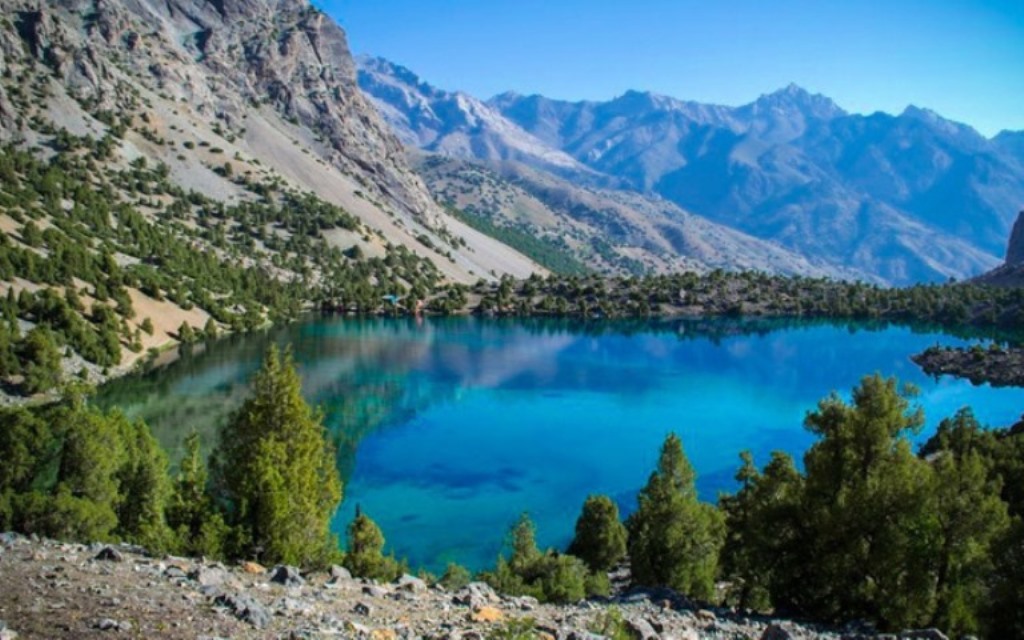
The Okhtanga Gorge is one of the natural places that attracts tourists with its diversity of flora and fauna.
Kengkul Gorge is a place where nature has been preserved in its original form.
Kuhsovli Gorge is a picturesque gorge that attracts tourists with its views and opportunities for ecological walks.
The International Mountaineering Center “Artuch” is located 76 km from Penjikent in the Fann Mountains. The center is a popular destination for climbers and eco-tourists due to its unique location and favorable conditions for mountain sports.

Five problems of Tajik ecotourism
Ecotourism in Tajikistan has significant potential, but several key issues need to be addressed for its sustainable development.
Firstly, the increase in tourist flow can lead to overloading of natural areas , which causes degradation of ecosystems and threatens rare species of plants and animals. The solution to this problem is the introduction of quotas for visiting popular natural sites, control over the number of tourists, as well as the promotion of environmentally friendly types of transport and sustainable tourism strategies.
Secondly, Tajikistan faces a shortage of hotels and tourist facilities , as well as an underdeveloped transport network, especially in remote areas. To address this problem, it is necessary to develop infrastructure through investment projects, increase the number of hotels and improve transport links, taking into account natural risks such as earthquakes.
The third problem is the lack of qualified personnel . The lack of professional guides and ecotourism specialists can reduce the quality of service and the experience of tourists. To solve this problem, it is necessary to develop a system of training and certification of tourist guides, improve the skills of workers, and create educational programs in the field of ecotourism.
The fourth problem is related to the low level of awareness of Tajikistan as a tourist destination . Many tourists from Russia and other countries do not yet know about Tajikistan as a promising place for ecotourism, and insufficient marketing work limits the number of visitors. This can be corrected through active promotion of Tajikistan at international tourism exhibitions, through partnerships with travel agencies, advertising campaigns and the creation of information resources.
Finally, uncontrolled tourism causes the destruction of natural resources, pollution and deterioration of ecosystems . To solve this problem, it is necessary to introduce sustainable tourism models, create a system for monitoring and regulating the flow of tourists, and develop environmentally friendly routes and legislative norms for the protection of natural areas.