

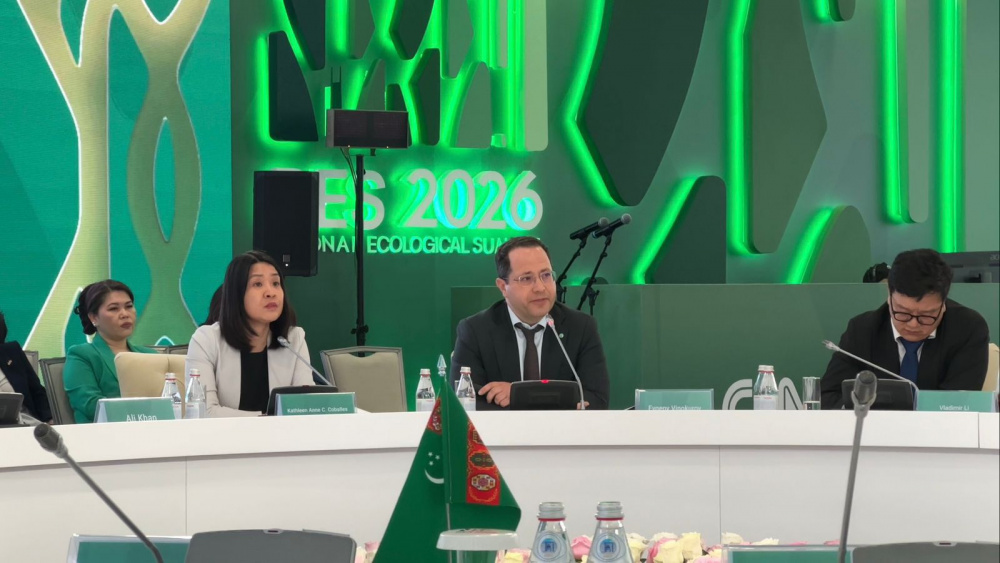
At the end of April, the Regional Environmental Summit (RES 2026) and the Central Asian Climate Change Conference (CACCC) were held in Astana. A wide range of topics were discussed, including the most pressing for Central Asia: the water and energy complex.
The debate on this issue has been heated, as countries’ positions vary depending on where they are located—upstream (Kyrgyzstan, Tajikistan) or downstream (Kazakhstan, Uzbekistan). The only thing all sides agree on is that addressing water shortages in the face of growing energy demand will require everyone to work together; it’s no longer feasible to tackle the problem individually.
What’s the problem?
The World Bank notes that Central Asia’s water resources are increasingly subject to climate, socioeconomic, and geopolitical challenges. Increasing climate variability exacerbates existing imbalances between countries, sectors, and governance levels, while simultaneously creating a need for deeper and more practical cooperation.
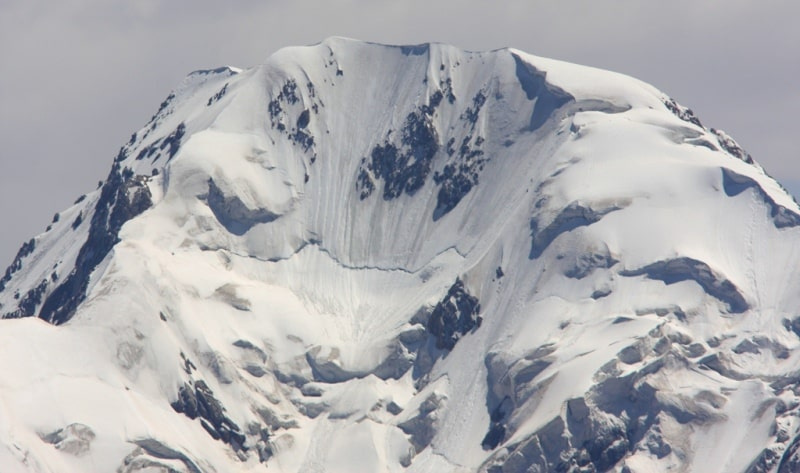
Glaciers provide 30 to 60% of Central Asia’s freshwater, but their accelerated melting increases the risks of droughts, floods, and long-term water shortages, with implications for agriculture, energy, and livelihoods in the region.
The Central Asian region is vulnerable to the impacts of climate change, which include water shortages, land degradation, and natural disasters (droughts, floods, landslides). With growing economies and populations, Central Asian countries are increasingly facing competition for water, which is crucial for agriculture, where water consumption accounts for 90%.
Per capita availability of renewable water resources continues to decline, falling by another 7% over the past ten years . According to the FAO, Central Asia has lost 12% of its available renewable water resources per capita since 2015, one of the highest rates in the world.
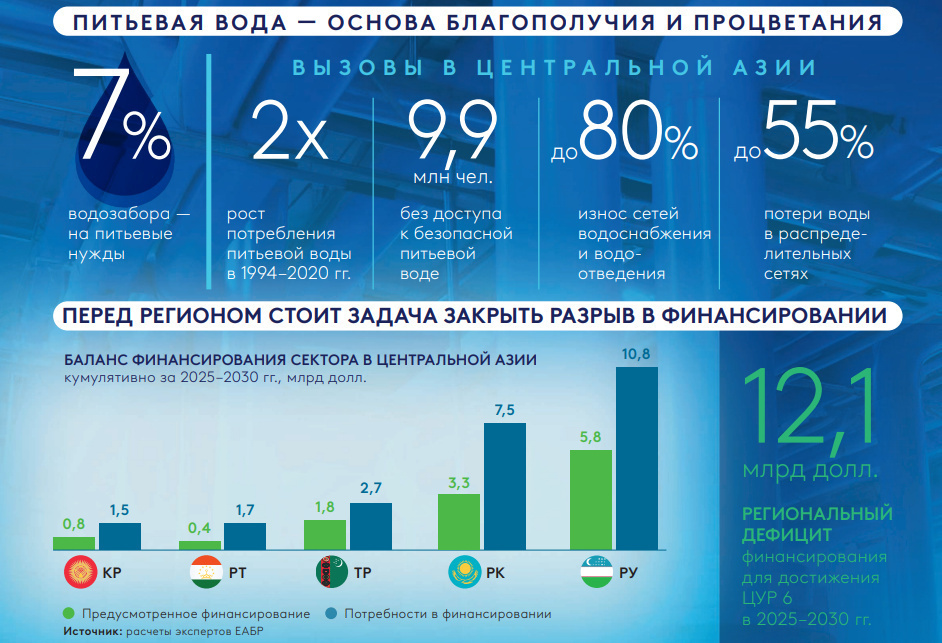
Eurasian Development Bank Chairman Nikolai Podguzov stated back in 2024 that the Central Asian region was at the peak of water stress . The bank’s analysis showed that 13% of Central Asia’s population lacks access to safe drinking water. The region loses nearly 40% of its water during irrigation on irrigated lands and 55% during drinking water supply.
“In three years, under a business-as-usual scenario, the region could enter a phase of chronic water shortages. But over the past year, we’ve seen this trend being recognized. Both authorities and companies are taking important practical steps. The EDB believes that addressing the water-energy-food nexus is crucial for Central Asia’s prosperity. This requires a comprehensive approach,” said Nikolai Podguzov.
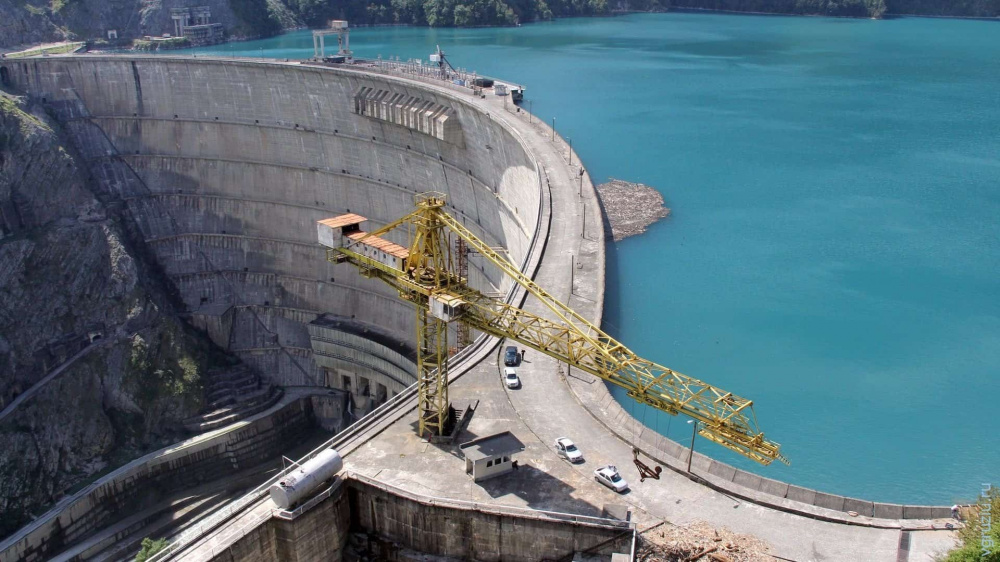
The energy sector is also suffering, especially in countries that have historically relied on hydroelectric power plants. A World Bank study (2014) assessed how the generation of Central Asia’s largest hydroelectric power plants would change under different climate scenarios. The results showed a generally negative trend: for most reservoirs (Toktogul, Kambar-Ata, Nurek, and others), a decrease in available water volumes and, consequently, electricity generation is expected under virtually all scenarios, particularly under conditions of severe warming and drought.
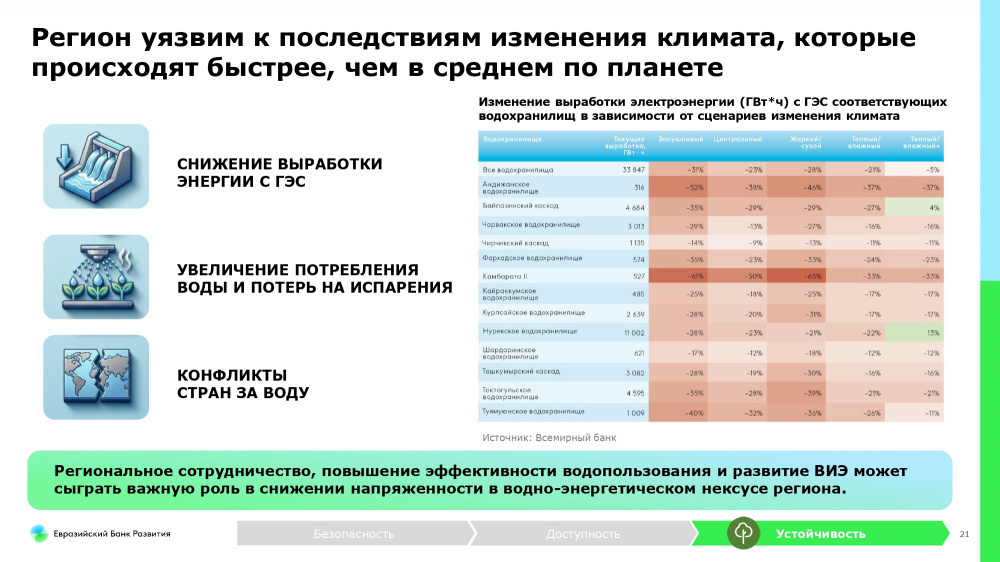
Due to the effects of climate change, hydroelectric power generation will continue to decline year after year. This trend is characteristic not only of plants in Kyrgyzstan but also of other countries in the region. For example, even under the best-case scenario, the Toktogul hydroelectric power plant will produce 21% less electricity due to climate change.
Central Asian presidents on water, glaciers, and climate change
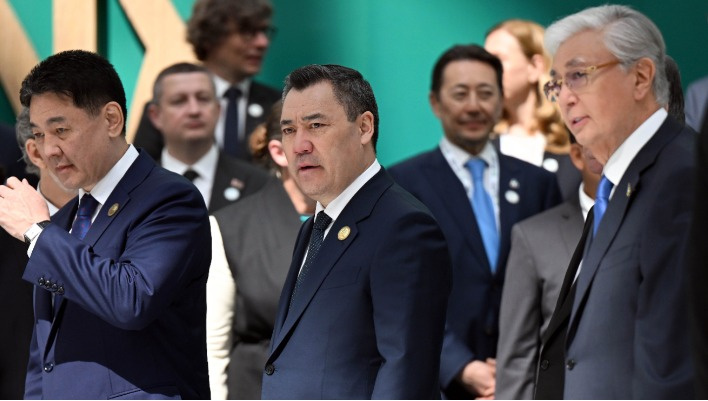
The tone of the discussion on water resources and their scarcity was set by the presidents of the region’s countries. All of them touched on the issue in their speeches, but each had a different approach.
Sadyr Japarov
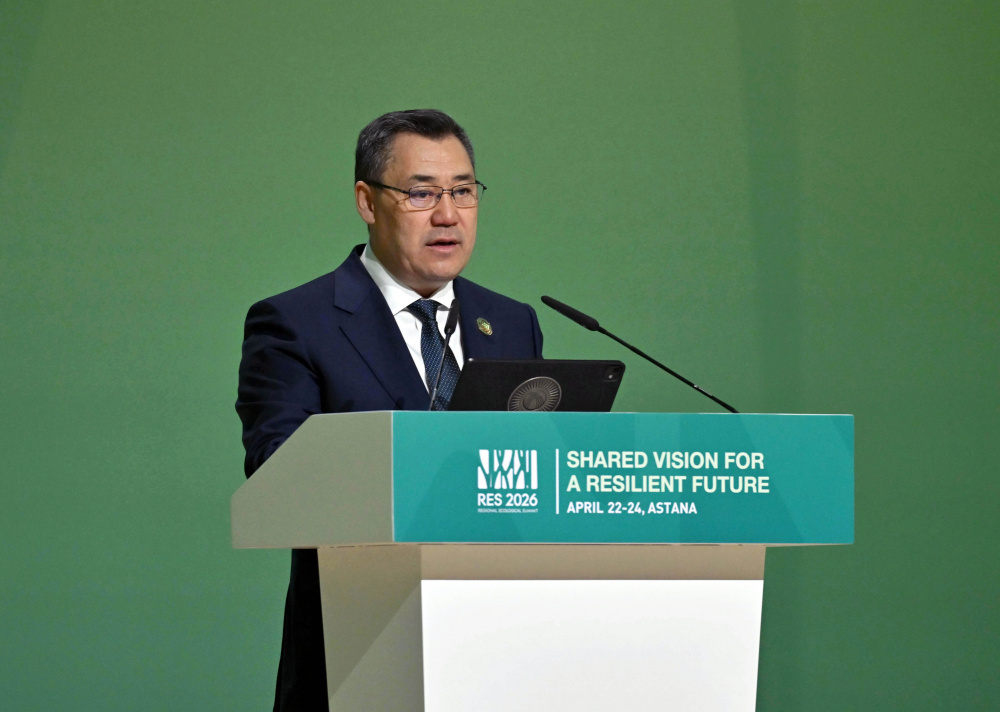
The President of Kyrgyzstan noted that the total annual volume of water resources generated in Kyrgyzstan is estimated at approximately 50 billion cubic meters. However, the country uses approximately 12 billion cubic meters for its own needs, while the remaining 38 billion cubic meters go to its neighbors. Sadyr Japarov added that Kyrgyzstan invests significant financial and human resources to protect and preserve the water resource generation zone, without receiving compensation in the form of fossil fuels.
Over the past year, we have allocated approximately $80 million to the water sector. Over the past five years, $259 million has been allocated from the budget to this sector, representing 2% of the country’s annual budget. However, these funds and measures are insufficient to improve the outdated infrastructure and build an effective and modern system.
The President emphasized that Kyrgyzstan has maintained previous water allocation limits for many decades, provided water storage and release services, ensured the maintenance and safety of hydraulic structures, and provided protection from emergency situations.
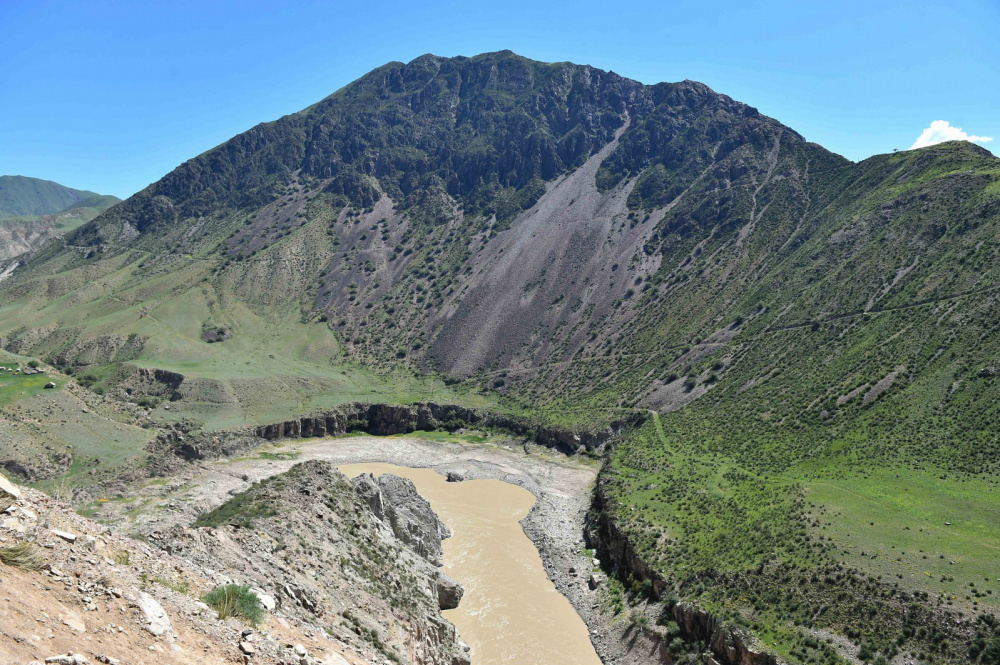
It is clear that it will be very difficult for countries in the region to reach a unified agreement, but we must find a balance of interests and develop mutually acceptable solutions based on a comprehensive approach with the gradual introduction of effective economic instruments into the mechanisms for distributing water and energy resources in the region.
Sadyr Japarov proposed introducing a mutually beneficial economic compensation mechanism in the water and energy sector in the region under modern conditions, noting the need to modernize the water sector and water infrastructure, including irrigation canals, as well as the implementation of water-saving and resource-saving technologies.
Kassym-Jomart Tokayev
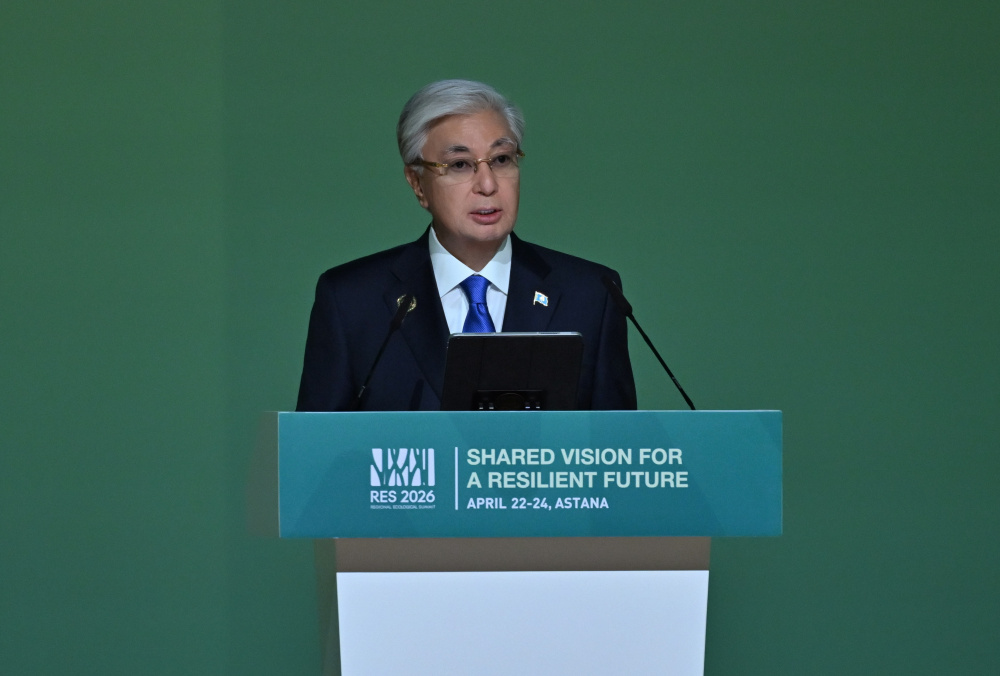
The President of Kazakhstan stated that water security is a matter of utmost importance for both Kazakhstan and all of Central Asia. The future depends on the rational and equitable management of this vital resource. He drew attention to the problems of the Aral Sea, which “to this day starkly reminds us of the consequences of irrational policies, as well as what can be achieved through decisive and scientifically based actions.”
To date, approximately 36% of the Northern Aral Sea has been restored, improving water quality, increasing fish stocks, and raising living standards. Kassym-Jomart Tokayev also raised the issue of protecting the Caspian Sea, as it is essential for maintaining the ecological balance, biodiversity, and sustainable development of the region.
Alongside our regional efforts, global cooperation on water resources is a key priority.
“Last December in Ashgabat, I proposed creating an International Water Organization as a UN agency. This initiative is particularly relevant, as the UN is currently reviewing thousands of mandates, providing an opportunity to strengthen the coherence and effectiveness of global governance. I am pleased to note that the first round of international consultations on this proposal will take place at this summit,” the Kazakh president said.
Serdar Berdimuhamedov
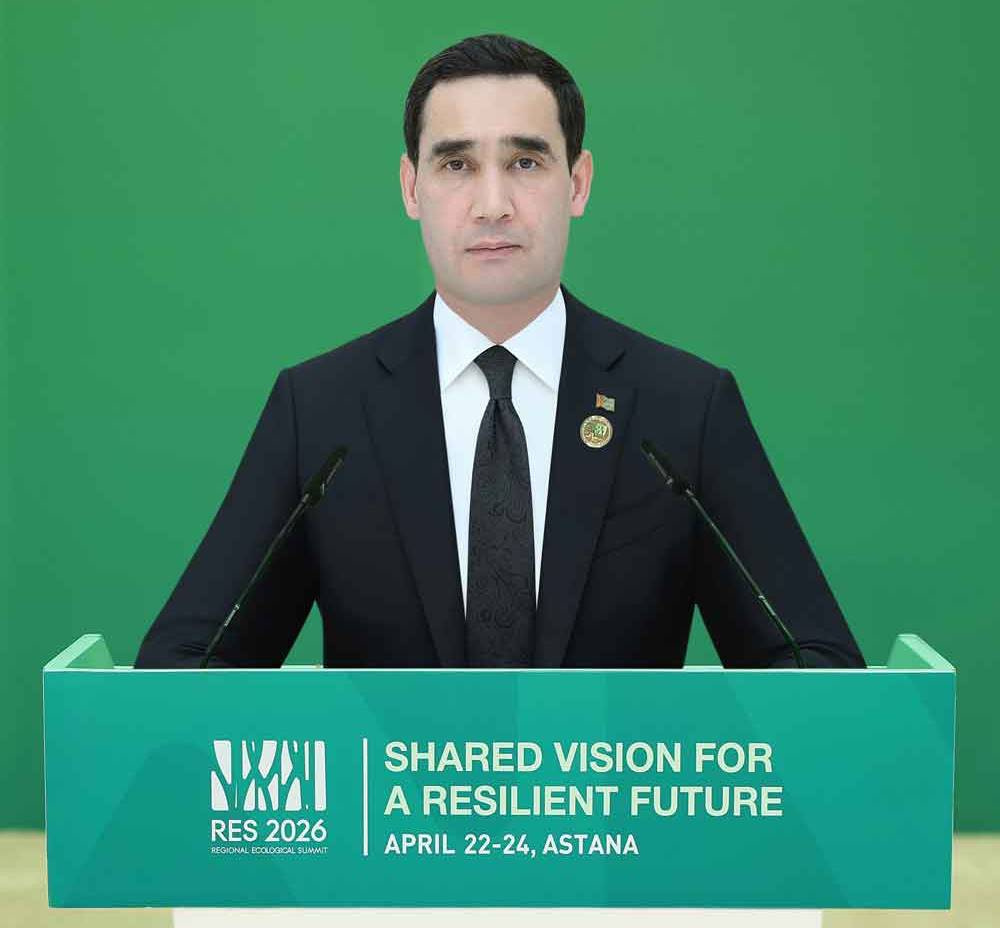
The head of Turkmenistan also emphasized that climate change has a negative impact on all aspects of life. This includes depleted water resources, land degradation, and increased desertification. He noted that the rational and equitable use of transboundary water resources requires special attention.
Turkmenistan’s official position is that water issues on transboundary rivers and watercourses should be resolved based on the following three main principles:
- strict adherence to fundamental conventions and other international instruments on water issues;
- taking into account equally the interests of all states located along transboundary rivers;
- broad participation of international organizations, primarily the United Nations.
Therefore, Turkmenistan has proposed the creation of a Regional Council on Water Management in Central Asian countries under the auspices of the UN, which could become an effective structure for coordinating efforts in the water sector.
“Our country, being a country in the Caspian region, actively advocates for all environmental issues in the Caspian Sea. We are convening another high-level meeting in early October 2026, which we hope will lead to a new stage of cooperation among Caspian region countries on environmental well-being and the preservation of the Caspian Sea and its unique natural environment,” he said.
Emomali Rahmon
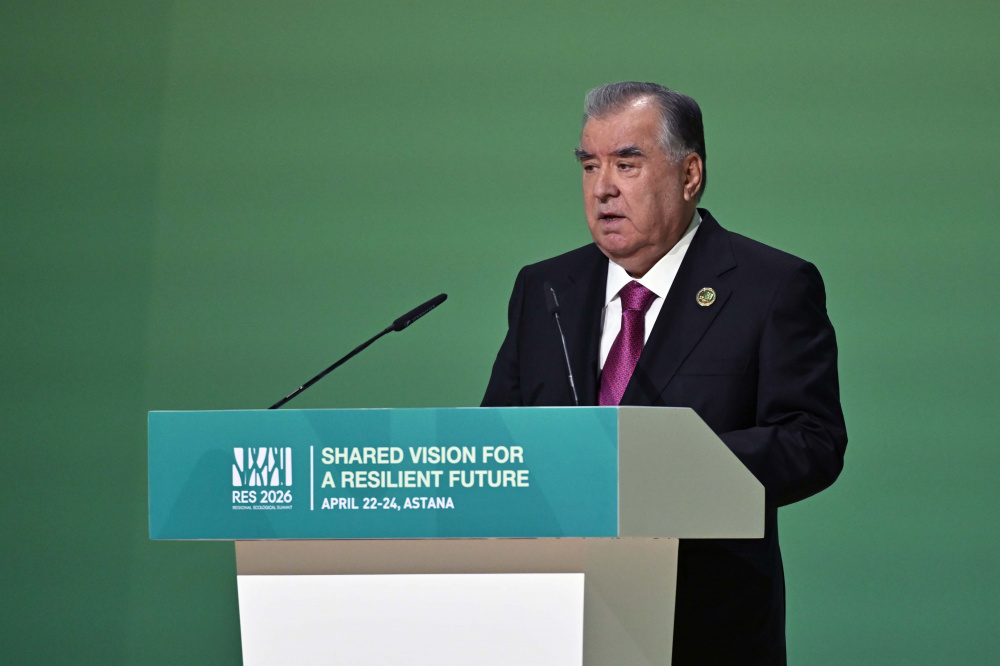
The President of Tajikistan emphasized that up to 60% of Central Asia’s water resources are generated within the country. This underscores the important role of mountain ecosystems in ensuring water supply and sustainable development for the entire region. The President placed particular emphasis on the problem of glacier melting, calling it one of the most alarming trends.
The accelerated melting of glaciers is of particular concern. Of the more than 14,000 glaciers, over 1,300 have already completely disappeared. This process is accelerating, leading to water imbalances, increased risks of natural disasters, and negative environmental impacts.
Emomali Rahmon reiterated Tajikistan’s ongoing efforts within the Dushanbe Water Process to advance the global water and climate agenda. He noted that the UN resolution on the International Decade for Action, “Water for Sustainable Development,” is currently in the active implementation phase.
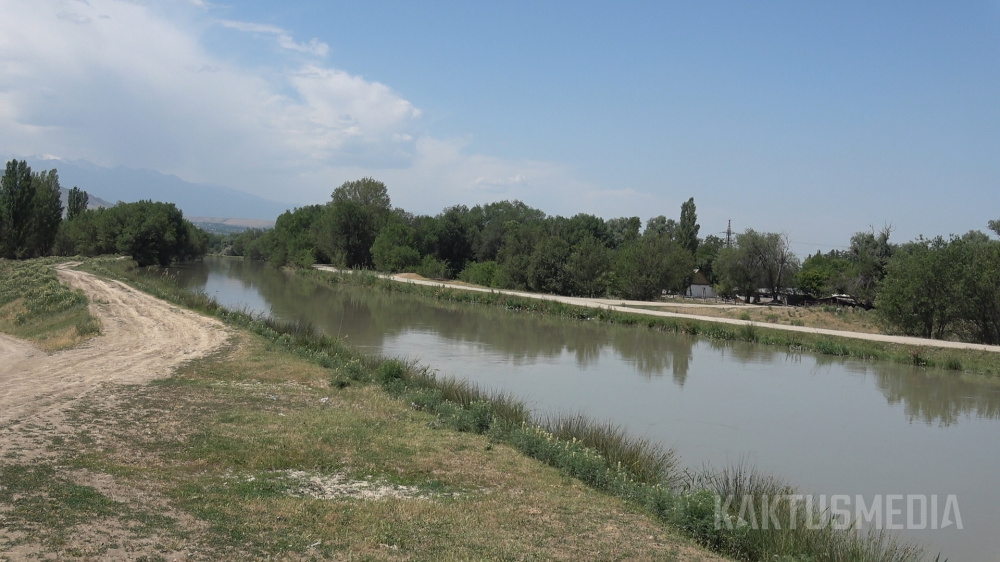
The President of Tajikistan invited participants of the Regional Environmental Summit to the fourth high-level international conference on the implementation of the goals of the International Decade for Action, “Water for Sustainable Development,” which will be held in Dushanbe in late May 2026.
Shavkat Mirziyoyev
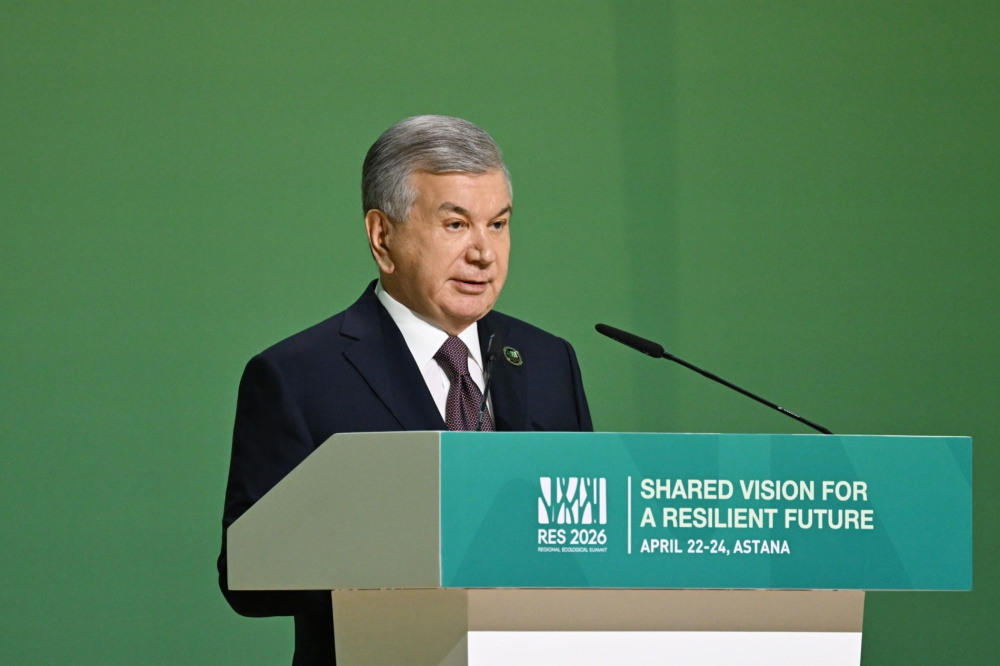
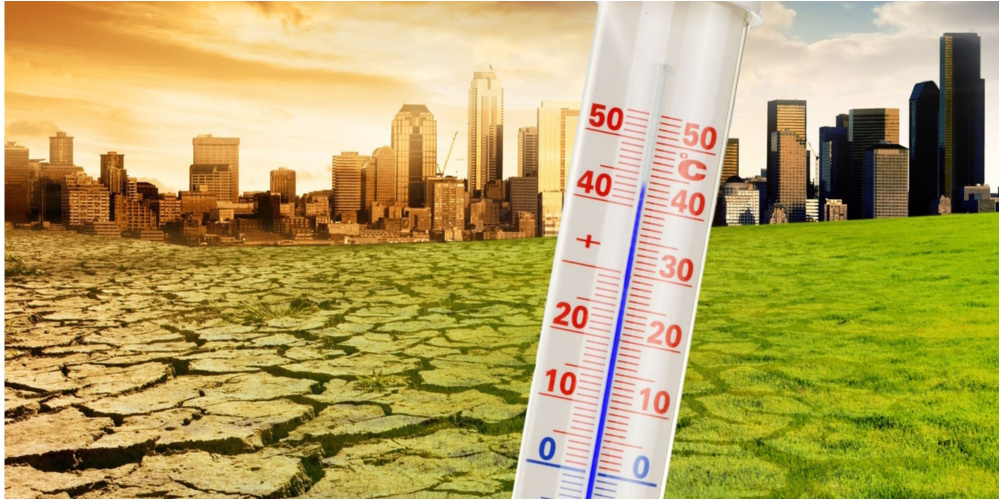
The President of Uzbekistan stated that the pace of global warming continues to accelerate, with temperatures in Central Asia rising twice as fast. Nearly a third of the region’s glaciers have been lost, precipitation patterns are destabilizing, and water shortages are growing. Land degradation has already affected 80 million hectares.
The weakening of global environmental solidarity is deeply concerning. Declarations and appeals are not backed by resources. Countries that contributed the least to global climate change are once again left alone to face its consequences.
He submitted several proposals for consideration by the heads of state:
- establish an interstate consortium “Clean Air of Central Asia”;
- grant regional status to the Center for Combating Desertification, Drought Prevention and Early Warning of Sand and Dust Storms operating in Uzbekistan at the Green University;
- to form a “Green Trade Corridor of Central Asia”;
- create a unified investment portfolio of climate projects in Central Asia;
- create a regional atlas of environmental changes in Central Asia;
- jointly develop the Red Data Book of Central Asia;
- to hold the World Youth Climate Forum in Uzbekistan in 2027 at the site of the Advisory Committee on Ecology.
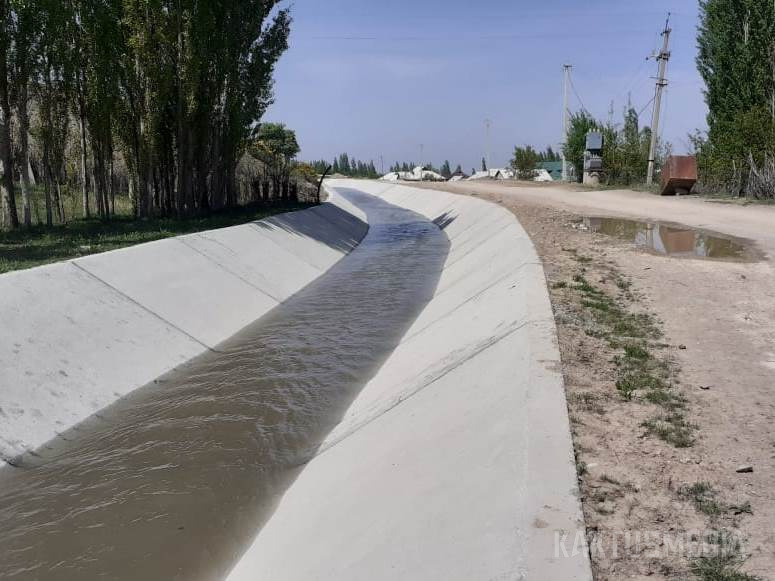
“As part of advancing the environmental agenda, the eighth Assembly of the Global Environment Facility will be held in Samarkand from May 31 to June 5, followed by the World Water Forum at the end of September. I invite you to actively participate in these international forums. I am confident that their results will significantly contribute to the implementation of effective initiatives aimed at the sustainable development of our countries and the entire region,” he concluded.
Central Asian water system – where are the pros and cons?
The subsequent discussion of this topic during the thematic session “The Economics of Water and Energy Cooperation in Central Asia in the Context of Climate Change” proved quite heated. It was one of the most memorable sessions of the summit.
Former Kyrgyz Foreign Minister Alikbek Dzhekshenkulov stated that 30 years ago, the five Central Asian states inherited a unified Soviet water system. And all these years later, it continues to reproduce the same patterns and face the same problems: the country that produces the water does not receive fair benefits from its use.
The KR accounts for 47% of the Syr Darya’s runoff. Of these 22 cubic kilometers of water:
- Uzbekistan – 10 cubic kilometers;
- Kazakhstan – 10 cubic kilometers;
- Tajikistan – 1.8 cubic kilometers;
- Kyrgyzstan – 0.4 cubic kilometers.
“We provide irrigation for millions of hectares of agricultural land in our neighbors. The Soviet system provided for water in exchange for coal and gas from downstream areas. After 1991, supplies ceased, and a new model never emerged. The 1998 agreement introduced a barter mechanism, but it broke down. Energy prices fluctuate, and there are no sanctions for non-compliance. Since 2006, this agreement has effectively been inoperative. This isn’t a political disagreement; it’s a documented failure to fulfill obligations. It’s not just unfair, it’s structurally unsustainable,” he said.
Alikbek Dzhekshenkulov believes there are two important points to this issue: sovereignty over the river is inviolable. The country can decide for itself when to open the floodgates and when not.
We have the right to profit from what our water does for the entire region: sell electricity, attract partners to build dams, and receive compensation for what we regulate in the interests of the entire basin.
“Climate isn’t just a threat; it’s a legitimate reason to receive compensation. Mountain countries bear real costs to ensure water reaches their neighbors. These costs should be reimbursed, just like road and power grid costs. Climate finance mechanisms must be launched for mountain countries to compensate for losses from glacier melt. This is real damage from climate change, and Kyrgyzstan and Tajikistan have virtually no role to play in it,” said Alikbek Dzhekshenkulov.
Climate change is making the water situation increasingly tense. Agreements are needed today. All five Central Asian states depend on water, and all five are losing out from the current system, albeit in different ways.
Serik Bekmaganbetov, Deputy Chairman of the Executive Committee of the International Fund for Saving the Aral Sea (IFAS), disagreed with this formulation. He noted that, when it comes to water, it cannot be said that any specific country produces or donates it.
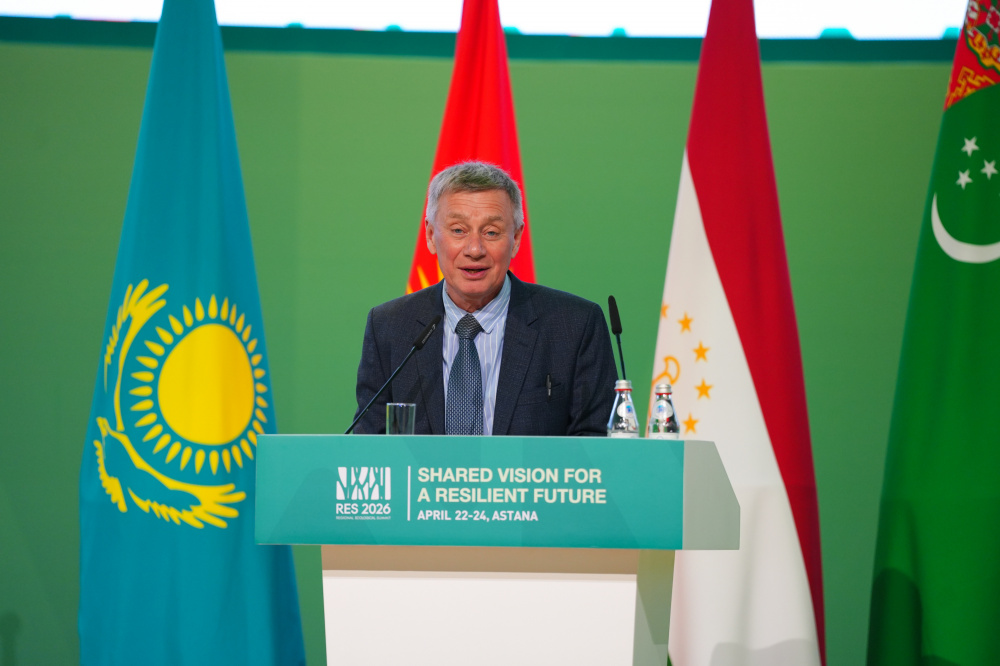
Only the Almighty produces. Goods and services can be produced, but water is definitely not produced. This is the circulation of water in nature. Giving it away is also a matter of course. A country can’t just decide whether to give it away or not. There are limits, and there’s a special body that divides these limits among itself, meeting four times a year, depending on the water level forecast. How can you give away something that has flowed along the riverbed for millennia?
“I know you can be a patriot of your country, but you also need to be a patriot of your region. This is the basin, the unified Aral Sea basin, the Syr Darya and Amu Darya river basin. The Naryn and Kara Darya are rivers in Kyrgyzstan, but this is the Syr Darya basin. And many other rivers and streams also flow into it. There’s the Aral Sea, which Kazakhstan is doing everything possible to preserve and increase its volume. In any case, if there’s little water, everyone must think about how to share it. If there’s plenty of water, everyone must think about how to prevent natural disasters. That’s what the IFAS is for,” said Serik Bekmaganbetov.

Dmitry Petrin, Regional Cooperation Program Coordinator and CAWEP Program Manager for the World Bank’s Central Asia Regional Office, noted that the key to water issues is the fair and equitable distribution of benefits.
“But to distribute, we need to know what these benefits are. Here I would discuss whether we understand the economics of the benefits for downstream countries, whether this discussion is substantive and economic. Economics is about numbers. The work currently being done, the models being presented, allow us to begin calculating these benefits for downstream countries—environmental, social, irrigation, and economic. Then we can talk about equitable distribution and the forms this mechanism will take,” he concluded.
Can we come to an agreement?
Experts noted that the very fact of discussing such sensitive issues is already a major step forward. And things aren’t as bad as they might seem at first glance. Yes, countries may have different positions on various water issues, but they are also capable of reaching agreements, and there are already examples of how this works.
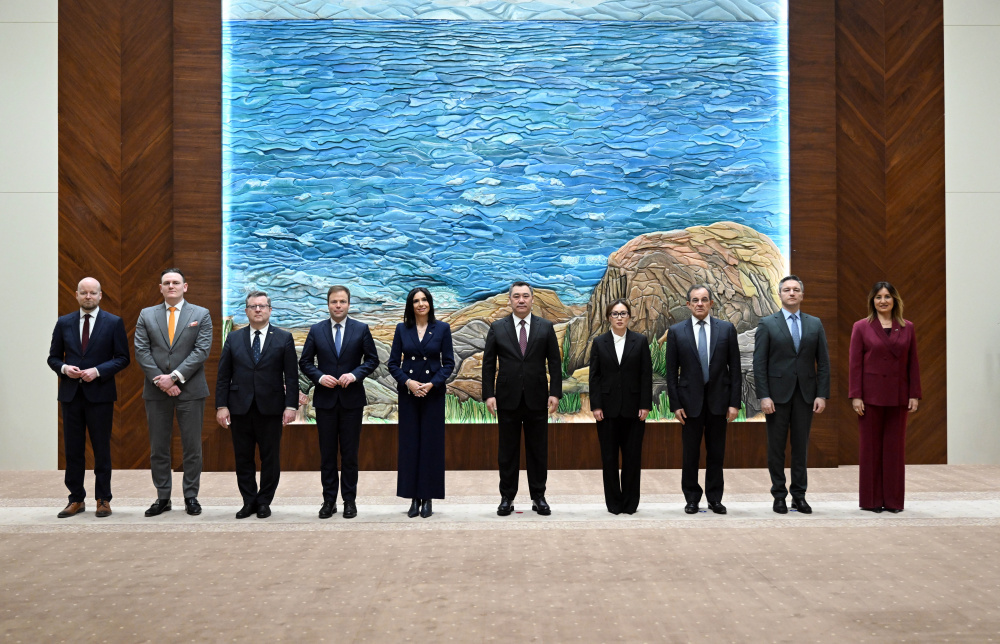
Dinara Ziganshina, international expert and director of the scientific information center of the Interstate Coordination Water Commission of Central Asia, believes that Central Asia has its own experience in implementing water and energy coordination mechanisms.
The region has long operated on the principle of mutual exchange of services. However, a shift is needed from episodic coordination to sustainable models of joint governance and robust coordination. We need to work in a more sustainable environment, not just where ministers have long known each other and work well together, but also to a system that is self-sustaining in the future.
In this regard, according to the expert, the Kambar-Ata HPP-1 construction project demonstrates an example of political agreement, the involvement of international partners, and discussions on the distribution of project benefits and risks. The implementation of this project could be an example of a regional mechanism for hydropower cooperation.
Alikbek Dzhekshenkulov agreed. He noted that in the Kambar-Aty-1 project, Kazakhstan and Uzbekistan did not purchase the right to manage the river; they purchased guaranteed access to electricity and a predictable water regime. However, river management remains the prerogative of Kyrgyzstan.
This is the formula that’s been missing for 30 years. This is the first time in the region’s history that a mountainous country receives a fair share of its water and retains full control over the river. Three countries are building together, reaping the benefits together. And now this experience can be offered as a ready-made model for the entire region.
Kyrgyzstan has also established working agreements directly. Since 2000, an agreement has been in effect with Kazakhstan on the Chu and Talas rivers, under which each country pays for the maintenance of water infrastructure proportionally to the amount of water it receives. The Orto-Tokoy reservoir is a similar arrangement with Uzbekistan. These examples can also be extended to the entire basin.
Dinara Ziganshina emphasized that climate change is increasing fluctuations in river flows, increasing the risk of droughts and water regime uncertainty, and increasing demand for electricity and water in all countries, which increases the risk of uncoordinated decisions.
And now the regional agenda is shifting from episodic coordination to the search for sustainable, coordinated economic mechanisms.
“In recent years, we’ve increasingly seen the focus shift from discussions to the desire to create longer-term mechanisms for interaction. The economic essence of water-energy interaction lies not in the commercialization of water, but in the alignment of benefits and costs, and, consequently, services,” she said.
Google machine translated