

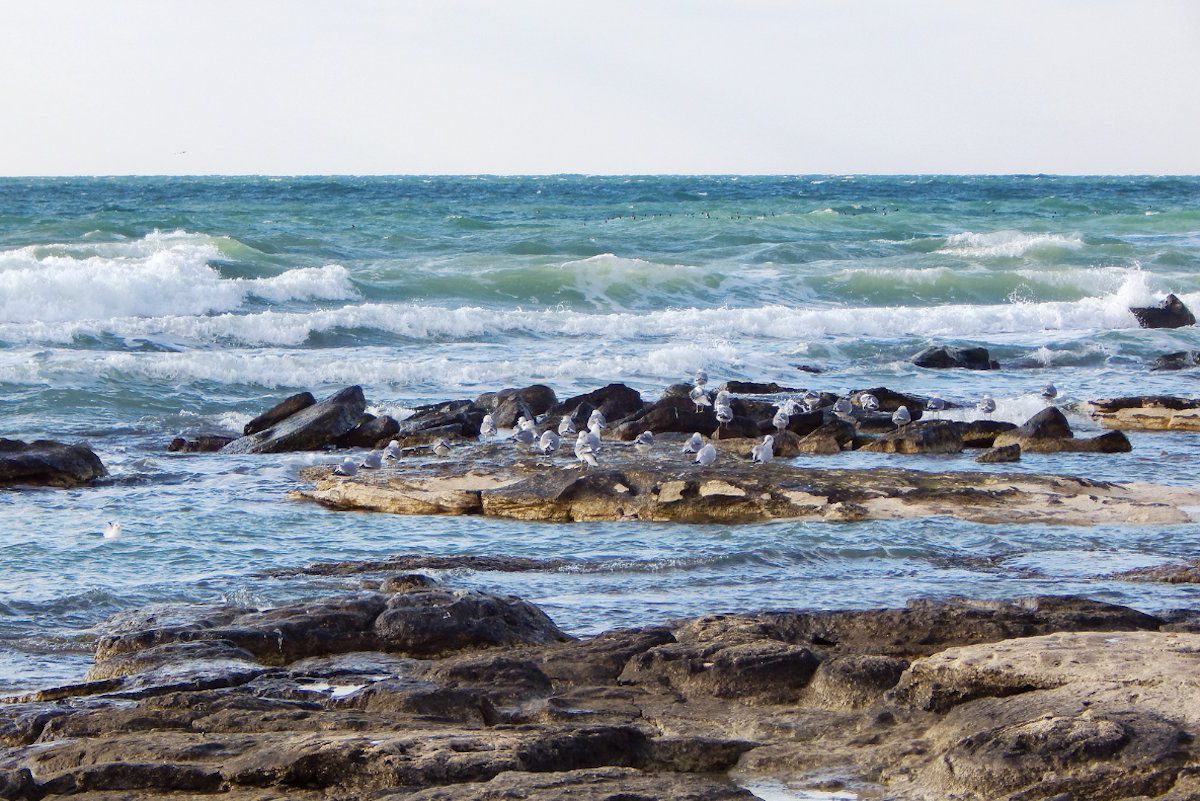
The shallowing of the Caspian Sea is increasingly going beyond the environmental agenda, directly affecting the economy, logistics, and quality of life in Kazakhstan’s coastal regions. The Mangystau Region, a key transit and oil infrastructure hub in the country, is feeling the effects of the falling water levels particularly acutely, Kazinform reports .
According to the Ministry of Ecology and Natural Resources of the Republic of Kazakhstan, the Caspian Sea level has been demonstrating a steady decline. Between 2006 and 2024, it dropped by more than two meters, reaching minus 29.3 meters in the Kazakh sector in the first half of 2025. The lowest levels are recorded in the eastern part of the sea, while in the North and Middle Caspian, water levels have dropped by almost a meter over the past five years.
Experts attribute this primarily to climate change: decreased precipitation and increased evaporation. According to observations, the Caspian region is warming almost three times faster than the global average, accelerating the shallowing process. Economic factors, including dredging for shipping and oil projects, also have an additional impact.
Sea level decline is already putting significant pressure on the region’s economy. The Akimat of Mangystau Oblast reported that the oil and gas industry, maritime logistics, and port infrastructure are suffering the greatest losses. The decrease in sea depth limits ship carrying capacity, necessitates regular dredging, and increases shipping costs.
For example, at the Aktau seaport, ships are currently calling at partial loads, and additional costs for re-mooring and bottom cleaning amount to hundreds of millions of tenge per year. Deepening projects are being implemented at the ports of Kuryk and Aktau to maintain the operation of the Trans-Caspian International Transport Route—the so-called Middle Corridor, which is of strategic importance for transit between Europe and Asia.
The shallowing of the Caspian Sea is also impacting the tourism industry. The retreating coastline is reducing beach areas and reducing the appeal of traditional seaside vacations. Regional authorities are noting a shift in tourism toward ecotourism, cultural and historical tourism, and desert destinations that are less dependent on water levels.
The impact of shallowing on public health is a particular concern. Dried-out areas of the seabed become sources of dust and salt storms, which carry pollutants and increase the risk of respiratory diseases. Furthermore, the sea level drop could complicate the water supply to Aktau, where drinking and industrial water is supplied through canals directly connected to the Caspian Sea.
At the same time, the ecosystem and the fishing industry are suffering. Environmentalists point out that large-scale dredging in the northern part of the sea is disrupting the food supply of fish and Caspian seals, although such measures remain necessary in ports to maintain shipping. In response, the region is developing fish farms, marine cages, and stocking programs.
Kazakhstan, for its part, is strengthening international cooperation under the Tehran Convention and developing a joint action plan with Caspian Sea littoral countries to respond to Caspian Sea level fluctuations for 2025–2035. The Caspian Sea Research Institute also began operations in 2025, tasked with monitoring and providing scientific support for measures to preserve this unique ecosystem.
Experts emphasize that without coordinated decisions at the regional level, including dialogue on water use with neighboring countries, the risks to the Caspian economy and environment will only increase.
Google machine translated